






Canada and France have agreed on how to divide halibut stock in the Northwest Atlantic Ocean after months of negotiations and tension between the Canada Department of Fisheries and Oceans (DFO) and French officials.
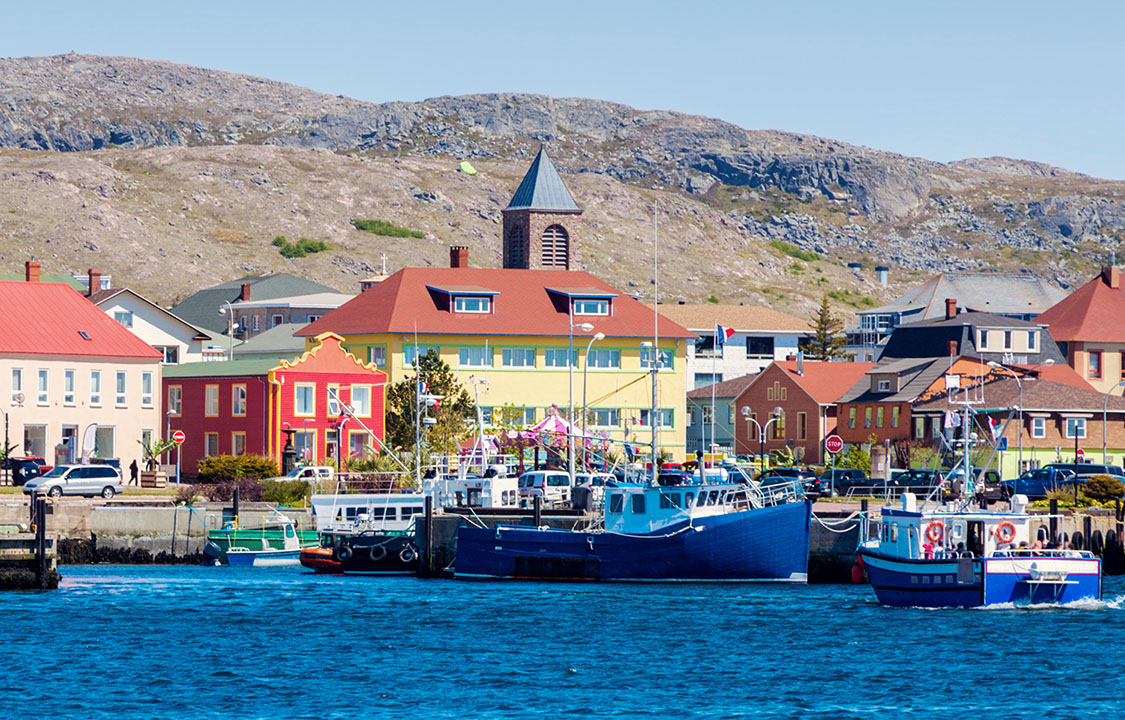
Canada and France share Atlantic halibut quota off the coast of Newfoundland, as France still controls the islands of Saint Pierre and Miquelon. Tensions over halibut catch rose after the DFO said it became aware that French fishing vessels from the islands, as well as vessels from the Faroe Islands, were fishing for Atlantic halibut next door to Canada’s territorial waters – potentially impacting Canada’s fishery.
"We are deeply concerned about the impacts of this activity on the sustainability of this important fish stock, and we will take further actions as appropriate," DFO spokesperson Axel Rioux said in June 2024.
At the same time as officials were sounding the alarm about vessels participating in the halibut fishery, DFO was also warning Canadian fishing vessels to avoid participating in France’s fishery.
The CBC reported that a French-flagged vessel landed 30 metric tons (MT) of halibut in St. Pierre and Miquelon, all caught outside Canada’s 200-mile exclusive economic zone (EEZ). That catch raised more concerns from fishermen, who said it could affect access and values for Canada.
"These fish got to be accounted for out of the total allowable catch, but also, it affects the market," Atlantic Halibut Council Executive Director Gary Dedrick told the CBC.
On 23 September, the DFO announced that after “several months of recent negotiations,” the two countries finally reached an agreement on a sharing arrangement for the species.
According to a release from the DFO, French harvesters from St. Pierre and Miquelon will be allowed to catch 3 percent of the total allowable catch (TAC) set by Canada.
A recent DFO stock status update for the 3NOPs4VWX5Zc Atlantic Halibut stock recommended a catch level of 4,927 metric tons (MT) – which would leave France a TAC of just under 150 MT.
So far this year, according to DFO stats, harvesters in the Newfoundland and Labrador region have landed a total of 813 MT of halibut.
“This allocation will allow for measured growth of the St. Pierre and Miquelon Atlantic halibut fishery, while also providing benefits for Canadian coastal communities through French landings of Atlantic halibut in Canadian ports,” the DFO said.
The DFO said that French halibut harvesters will be allowed to target the species within the French EEZ, as well as in the high seas – but not in Canadian waters.
"I am pleased with the outcomes of our negotiations with France,” Canada Minister of Fisheries, Oceans, and the Canadian Coast Guard Diane Lebouthillier said in a release. “I am confident that we've reached an equitable agreement that will ensure the long-term health of the Atlantic halibut stock while supporting the economies and coastal communities of both Canada and France."
