






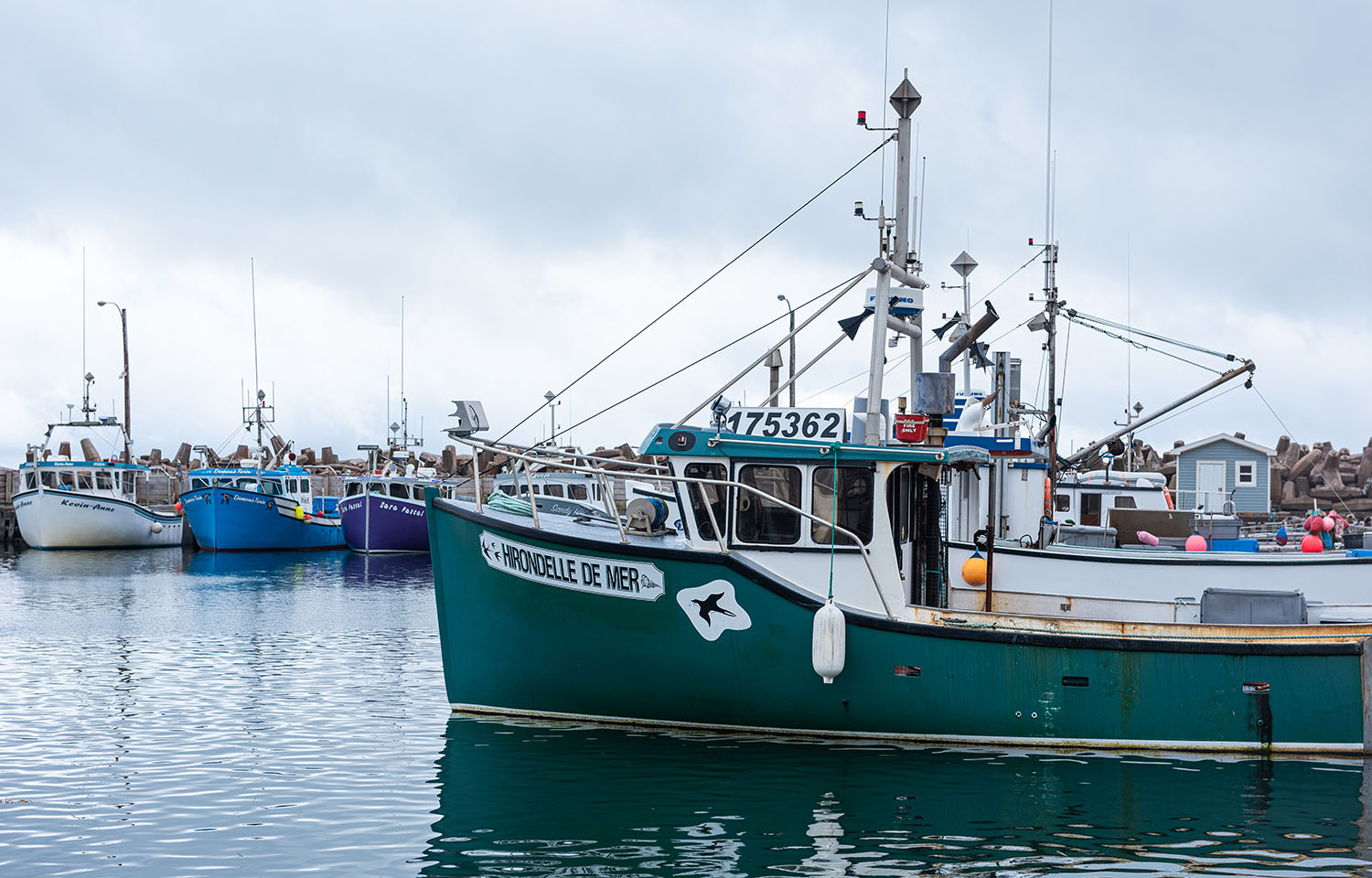
Canada’s Department of Fisheries and Oceans (DFO) is releasing a set of new exploratory lobster fishing licenses to gain data on what could be a new fishery in the province of Quebec.
The DFO announced it is issuing the equivalent of 18 exploratory fishing licenses in Lobster Fishing Area 17, located adjacent to Anticosti Island in Quebec. The licenses represent a total fishing effort of 4,500 traps per year, and will be distributed between First Nations fishers in the area and fish harvesters in the North Shore, Magdalen Islands, Gaspésie, and Lower St. Lawrence regions, DFO said.
DFO is also issuing the equivalent of 31 new licenses in Lobster Fishing Area 19, located near the Gaspé Peninsula. The licenses will also be issued to a combination of First Nations and commercial harvesters, with a total annual fishing effort of 7,750 traps.
The department said the new exploratory licenses are part of an ongoing data acquisition plan for the lobster fishery in Quebec.
Historically, Quebec’s lobster catch has lagged behind the provinces of Nova Scotia, New Brunswick, and Prince Edward Island. In 2004 Quebec caught 3,383 metric tons (MT) of lobster compared to over 25,000 MT in Nova Scotia. A decade later in 2014 the total had increased to 5,353 MT of the crustacean, still well below the over 51,000 MT caught by Nova Scotia.
By 2022, Quebec’s catch total had increased to 12,445 MT, and federal reports have shown that the lobster fishery in the province is healthy – and could be growing.
The DFO said its new exploratory licenses are in part being issued in the context of climate change. Climate change and the weakening of the Gulf Stream has left the future of the lobster fishery uncertain as studies find declines in lobster populations in the Gulf of Maine.
“The fisheries industry is an integral part of the history of coastal communities in Quebec. To this day, it remains an important economic driver. In the context of climate change and the upheavals facing the fisheries industry, it is essential to create new opportunities to support and develop it,” DFO said.
Canada Minister of Fisheries, Oceans and the Canadian Coast Guard Diane Lebouthillier said the new exploratory fishery is evidence that if fishers work together there are still opportunities in the lobster fishery in Atlantic Canada.
“Starting this spring, First Nations and industry will be at sea in Anticosti and Gaspésie to participate in the exploratory lobster fishery, collect important data, and create economic benefits for all coastal regions in Quebec. Today's announcement is a perfect example that even in troubled waters, we can win when we work together,” she said.
Lebouthillier’s mention of troubled waters is likely in reference to the conflicts and accusations of illegal fishing Canada’s lobster fishery has grappled with in recent months. The United Fisheries Conservation Alliance sued to have First Nations’ summer and fall lobster fishery in St. Marys Bay, Nova Scotia declared unlawful amid accusations tribes were using a historic right to fish for a “moderate livelihood” as a cloak for widespread illegal fishing.
“We’re seeing the removal of tens of thousands of pounds of lobster from St. Marys Bay,” UFCA President Colin Sproul told CBC.
The accusations weren’t new. In 2020 tensions flared between First Nations and fishermen, with commercial fishermen not associated with the First Nations’ fishery blockading wharfs used by indigenous fishermen. There were also accusations of fishermen cutting ropes on trap lines, and the Royal Canadian Mounted Police arrested two people on assault charges connected with the conflicts.
Conflict has also flared between the Canadian province of New Brunswick and the U.S. state of Maine, to the point that Canadian fisheries enforcement officers appeared to pull back from enforcement efforts after as many as 35 percent of agents assigned to patrol a disputed border between the fisheries began to refuse to report for duty. Officers reported being threatened and attacked with shotguns, knives, and bear spray in the region.
