






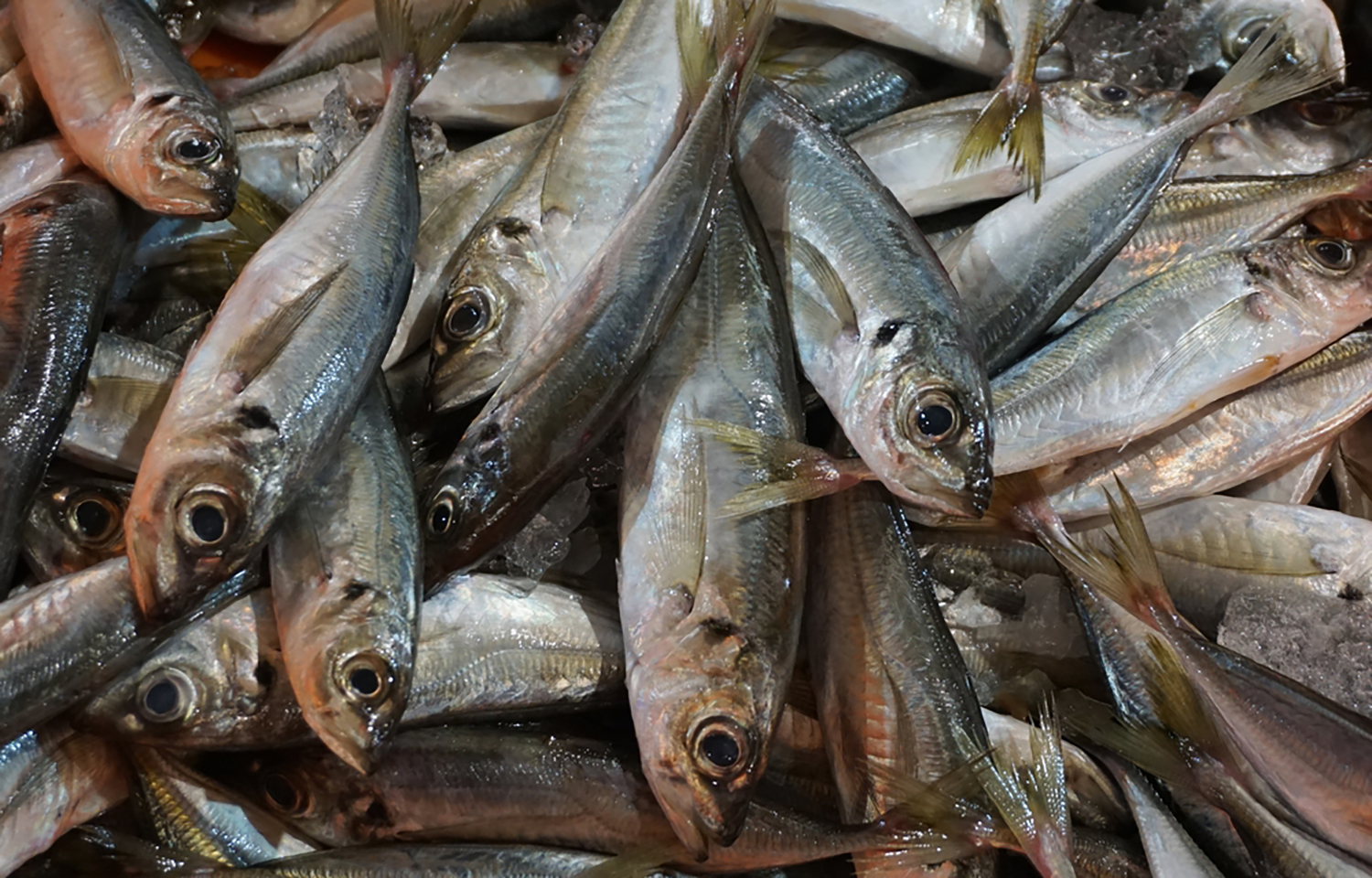
The Chilean Navy has apprehended 12 people who boarded an industrial fishing vessel to rob the ship of its catch of horse mackerel, the military branch announced on its X account earlier this month.
The nation’s Public Prosecutor’s Office said those involved in the incident – which took place off the coast of Concepción in Central Chile – were very likely part of an organized criminal syndicate.
Of the 12 apprehended individuals, four were sentenced to pre-trial detention, the Concepción Court of Appeals reported on its website.
“This is an activity that has been properly structured, based on suppliers, sales, and purchasers with this illicit fishing,” Public Prosecutor Hugo Cuevas said on national television. “They are a kind of mob at sea, behind which there is, without a doubt, a criminal organization.”
Cuevas said the prosecutor’s office is investigating the purchasers of this illicit catch and said it has three likely possible destinations: local sale in farmers markets, sale to other fishing companies, or sale abroad.
According to local television station TVN, organized criminals have been robbing industrial catch using unregistered vessels that lack fishing records since at least 2015, but the frequency of such a crime has been increasing.
“Today, there are real mafias who steal boats and engines in order to perpetrate this type of crime,” Biobío Artisanal Fishers President Cristian Arancibia said.
It is nearly impossible to purchase fresh horse mackerel in Chile, Arancibia added, as industrial fishing firms process their quota of horse mackerel, while artisanal fishermen who catch horse mackerel sell it to industrial fishing firms.
As such, “it is very likely that [any] fresh horse mackerel consumed in the country comes mainly from illegal fishing,” Arancibia said.
The Biobío Industrial Fishers Association cautioned against purchasing fresh horse mackerel, and Public Affairs Manager Verónica Ceballos said that this fish is sold without traceability or sanitary control, outside of all regulations and failing to comply with minimum health standards.
Criminal activity has not just affected Chile’s wild-caught industry; it has also affected the country’s aquaculture operations.
An estimated 42,618 salmon escaped from a farm owned by Chilean salmon-farming firm Granja Marina Tornagaleones, which conducts business under the name Marine Farm, in early October.
Calbuco Mayor Marcos Silva said that the escape was caused by “a criminal act” and warned that the escaped fish are unsuitable for human consumption since they had recently received antibiotic and antiparasitic treatment.
“There are [criminal] networks involved in this type of crime. This was not only a group of divers who cut the nets, as was seen in these pens,” he said. “There are also people who are dedicated to capturing and then selling these species.”
