






The Chinese government has agreed on the technical requirements for resuming seafood imports from Japan, according to the Japanese government.
”Seafood is an important export item for Japan and a resumption of its export to China is a major milestone," Japan Fisheries Minister Shinjiro Koizumi said, according to the Associated Press.
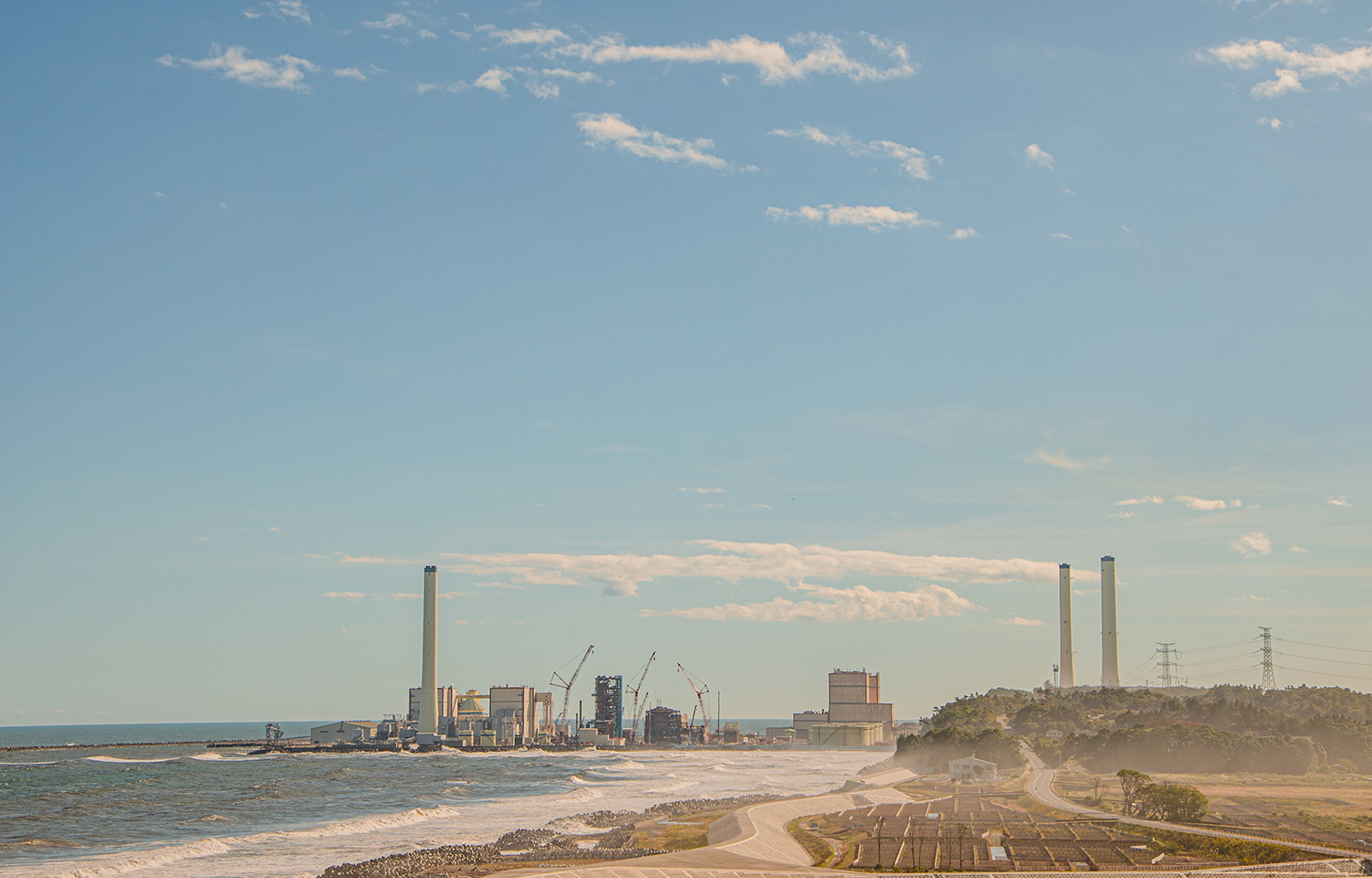
China’s ban was implemented in August 2023 after Japanese authorities approved the release of treated wastewater from the Fukushima Daiichi nuclear power plant into Japan’s waters. Although the International Atomic Energy Agency determined that the plan would cause negligible impact on the environment or health, multiple neighboring governments announced that they would ban Japanese seafood imports – at least in part.
Japan’s government has fought the seafood bans on multiple fronts: filing complaints at the international level, providing financial support to its seafood sector, and engaging in high level negotiations to have the bans removed.
In September, the respective governments of Japan and China announced that the ban would end – eventually. Since then, Japan has used multiple high level meetings to pressure China to finally drop the ban. In a 30 May statement, Japan’s Ministry of Foreign Affairs announced the two governments reached an agreement on the technical requirements for resuming seafood exports to China.
“Going forward, after the Chinese side takes the necessary procedures, the resumption of exports is expected,” the Ministry of Foreign Affairs stated.
China Foreign Ministry Spokesperson Lin Jian confirmed that productive talks had taken place.
“Since the beginning of this year, based on the continuous implementation of international monitoring of the ocean discharge of Fukushima nuclear-contaminated water and the fact that there’s no abnormality in the result of China’s independent sampling and testing, China and Japan have had engagement and consultation on the safety of Japanese aquatic products,” Jian said. “On May 28, China’s General Administration of Customs held a new round of technical exchange with the Japanese side in Beijing at the latter’s request on the safety of Japanese aquatic products and achieved substantial progress. Japan promised to take credible and visible measures to guarantee the quality and safety of its aquatic products and ensure that they meet China’s regulatory requirements and food safety standards.”
The International Atomic Energy Agency also reported during a May visit to Japan that the wastewater discharge has been carried out safely.
“As a result of our assessment this week, the Task Force can again confirm that Japan’s ongoing monitoring of the ALPS treated water discharge complies with international safety standards,” Gustavo Caruso, chair of an agency task force assigned to the wastewater release, said in a statement. “The IAEA’s ongoing corroboration monitoring activities and onsite independent sampling and analyses provide a comprehensive, transparent and independent verification of the accuracy and reliability of the data reported by TEPCO and the government of Japan.”
China’s ban has had a massive impact on Japan’s seafood sector. While Japan’s food exports reached a record value level in 2024, fisheries exports were down 7.5 percent year over year to JPY 360.9 billion (USD 2.4 billion, EUR 2.3 billion).
