






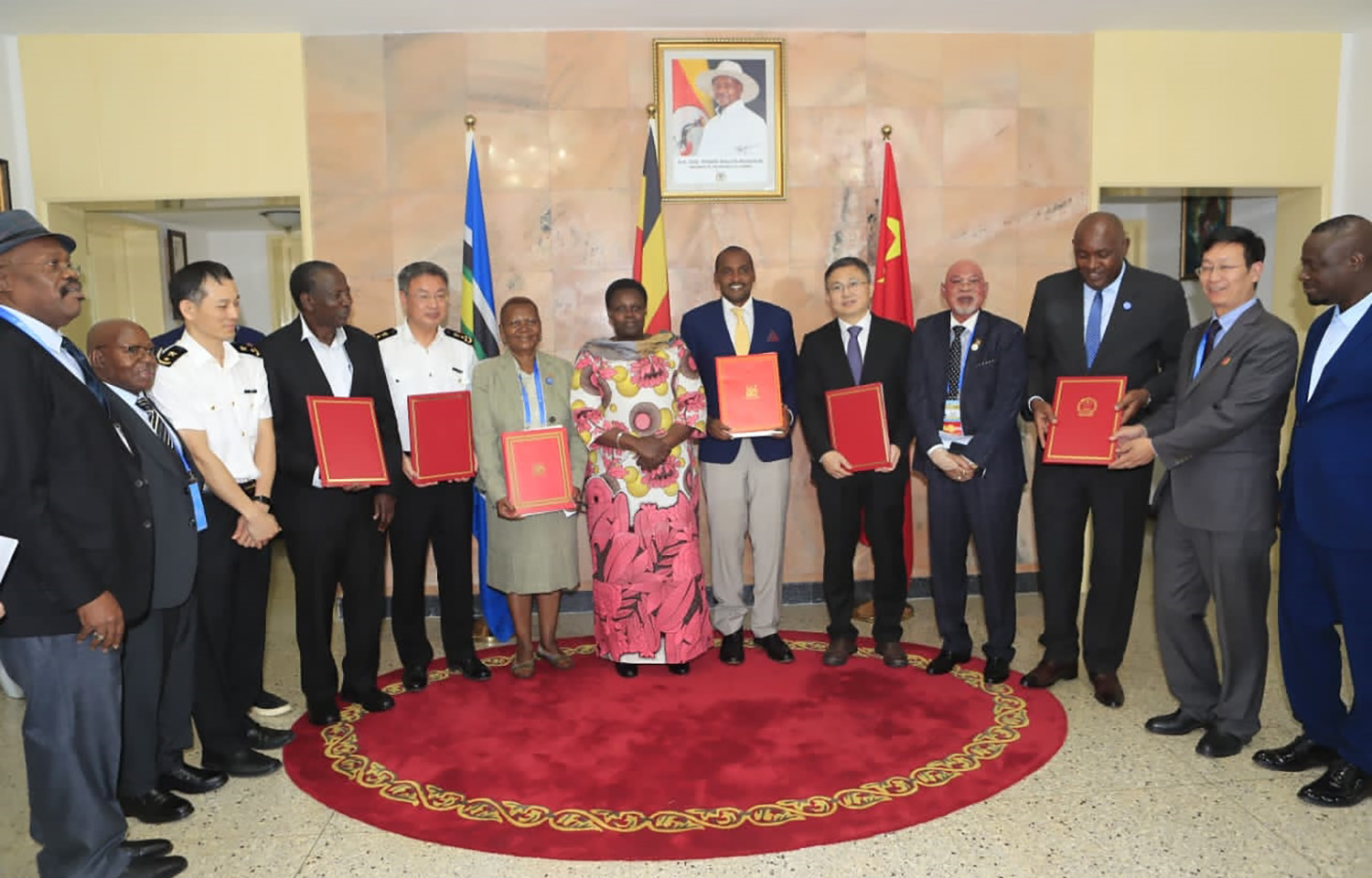
Chinese officials signed protocol agreements with a few representatives of African markets during this year’s Forum on China-Africa Cooperation, granting African seafood exporters access to the Chinese market even as data from Chinese customs shows the volume and value of the country’s seafood imports dropped over the first eight months of the year.
China imported just over 3 million metric tons of seafood products over the first eight months of 2024 worth USD 11.7 billion (EUR 10.7 billion), a drop of 5.6 percent by volume and 12 percent by value year over year, according to official customs data.
Nevertheless, Uganda has signed a deal with China that grants entry to Chinese ports for wild aquatic products from Uganda – not including live products. These are expected to include Nile perch fillets and fish maw, among other products.
According to the Ugandan Ministry of Agriculture, Animal Industry, and Fisheries (MAAIF), some of these products had already been entering China through third countries.
However, thanks to the new deal that allows for direct trade, Ugandan Agricultural and Fisheries Minister Kagyigyi Tumwebaze said that seafood exporters in the African country who are keen on exporting to China should contact his ministry for an export compliance pre-audit, as China has set several criteria that could disqualify Ugandan seafood from crossing its borders.
China has also signed a protocol deal with Sierra Leone and a similar agreement with Madagascar, according to Chinese customs authorities.
Solely signing a protocol deal does not immediately translate to a boost in sales, though, as Maltese tuna exporters have recently learned. The first consignment of tuna from Malta was delivered to Chinese buyers only recently – almost a year after a protocol was signed that opened up the Chinese market to exporters.
The signing of protocol agreements is part of a larger strategy by China to prioritize food security through increased access to a diverse range of suppliers while also supporting its distant-water fleet with subsidies. Many African countries have large trade deficits with China, which is a major supplier of manufactured goods to the continent, prompting calls from African leaders for Beijing to purchase more African goods and invest more in the region.
