




China’s changing consumption patterns are boosting demand for higher-value shrimp and lobster products, providing a lift to Vietnamese exporters.
Improved incomes and the expansion of modern retail, e-commerce platforms, and restaurant chains have pushed Chinese consumers away from low-cost frozen shrimp toward premium segments, including live shrimp, larger sizes, and processed products, according to the Vietnam Association of Seafood Exporters and Producers (VASEP).
A recent report from London, U.K.-based market research firm Euromonitor International corroborated VASEP’s findings, stating that consumption of high-end, premium species has held strong in the country. With many other customers aiming to save money, sales of low-priced, cheaper species have also spiked, with the trend cratering sales of mid-priced seafood.
The report found “high-end consumption has supported the growth of crustacean products,” but some price-sensitive consumers “tend to choose more economical fish species in retail channels or wait for promotions to make a purchase, which has, to some extent, curbed retail growth.”
That shift has supported demand for Vietnam’s higher-end shrimp and lobster offerings, which are well suited to the restaurant, hotel, and foodservice sectors, VASEP said.
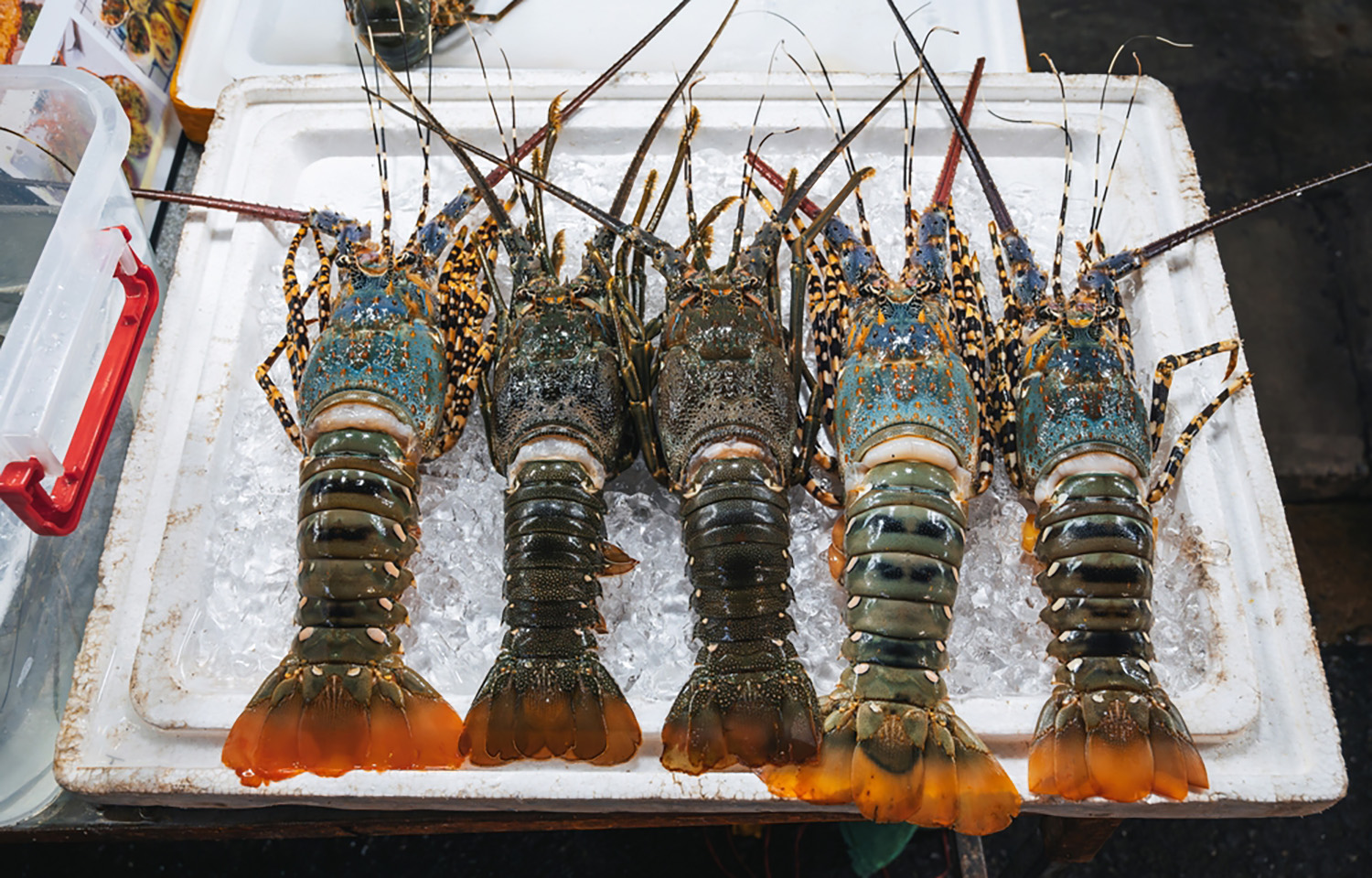
VASEP said its own members corroborate the Europmonitor report, finding consumption patterns in China are becoming increasingly segmented with mid-range demand under pressure as consumers rein in spending, while premium shrimp and convenience-oriented processed products continue to record solid growth, creating opportunities for Vietnamese products like lobster, black tiger shrimp, and higher-end offerings.
China (excluding Hong Kong) was the largest destination for shrimp and lobsters from Vietnam in 2025, purchasing USD 1.23 billion (EUR 1 billion) of the products last year, representing 60.8 percent year-over-year growth. Sales of whiteleg shrimp and black tiger shrimp rose by 6 percent and 5 percent year over year, respectively.
Vietnam’s competitive edge last year lied less in price than in quality and processing capability, according to VASEP, which said that Ecuador and India continued to dominate the low-cost shrimp segment, where scale and production costs allowed them to offer more competitive pricing, making it difficult for Vietnamese producers to compete on price alone.
However, Vietnam’s strengths were in product flexibility, processing expertise, and higher-value shrimp categories, which aligned with China’s shift toward more selective, quality-driven consumption, VASEP said.
China’s shrimp import trends in 2025 suggest demand will remain strong but increasingly discerning, with growth expected to come more from higher standards and value rather than volume, the Vietnamese trade group said.
With geographic proximity, logistical advantages, and experience in processing, Vietnam is well-positioned to expand its market share, but exporters will need to continue upgrading product quality, developing premium offerings, and strengthening direct links with Chinese distribution networks, VASEP said.
The broader presence of multiple supplying countries indicates that China is actively diversifying its shrimp imports rather than relying heavily on Ecuador alone, creating opportunities for exporters offering differentiated products, particularly in the processed and premium segments, VASEP added.
