





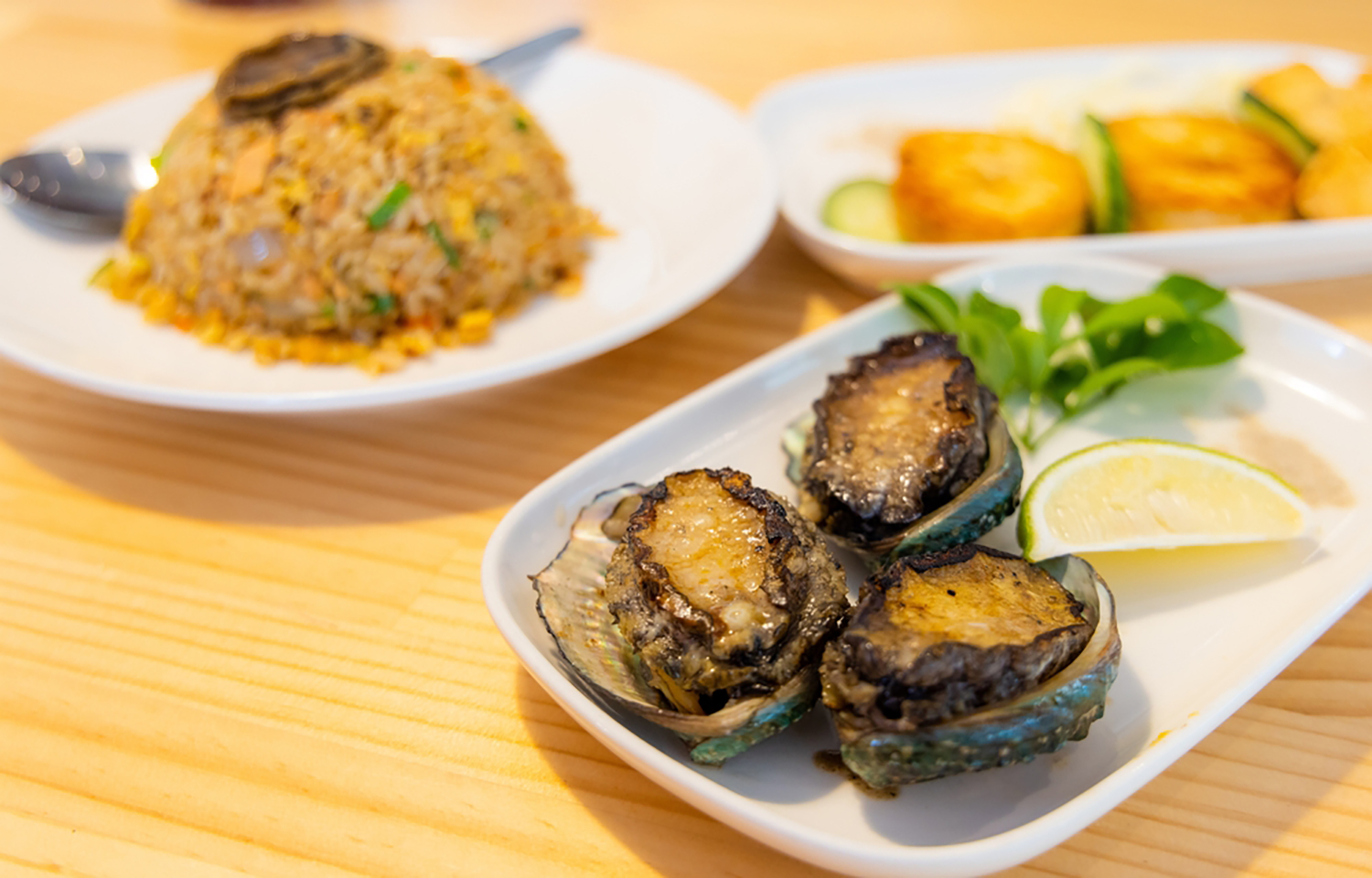
Chinese abalone firm Fujian Xiangbin recently acquired Best Aquaculture Practices (BAP) two-star certification in an effort to expand sales in the domestic premium market and also grow international sales of its products.
Securing BAP two-star status in late 2025 marked a “milestone breakthrough” for the company, according to Xiangbin CEO Xiuying Chen.
“We are the first and currently only abalone company in China to obtain BAP two-star certification,” Chen told SeafoodSource. “This signifies that our farms and processing plants have met international authoritative standards in food safety, environmental responsibility, and social responsibility.”
BAP certification is key to the company’s dual strategy of “emphasizing both high-end domestic channels and core international markets,” Chen said.
“In the domestic market, it has solidified our leading position in high-end channels; internationally, it provides us with a high-quality passport to enter core markets,” Chen said. “Currently, Japan and the U.S. are our two core export destinations. Our products meet their most stringent sourcing systems for sustainable seafood. We are building on this foundation to continuously expand into other international markets.”
Located in the Southeastern Chinese province of Fujian where much of China’s abalone production is centered, Xiangbin started out in live abalone trading in 2003 before expanding into farming, processing, distribution, and global sales, Chen explained. Domestically, the company supplies retailers like Walmart, Hema, and CR Vanguard, but also supplies several restaurant chains across China.
“We started by building a nationwide live abalone distribution network and gaining customer trust, and then we gradually extended upstream, establishing our own high-standard organic farming bases to ensure quality at the source,” Chen said. “Simultaneously, we expanded downstream, constructing a modern processing park to develop frozen abalone and deep-processed products to meet market demand for convenient, high-quality abalone.”
Applying for BAP certification was a logical next step and a strategic upgrade for the firm, said Chen, who added that it offers an “authoritative verification” of the company’s own management standards but also a “public and transparent commitment” to global consumers that Xiangbin’s abalone meet the highest international standards for sustainability and traceability.
Fujian Xiangbin’s push for certification follows a larger trend of Chinese seafood firms aiming to appeal to premium consumers in the domestic market.
Last year, the Global Seafood Alliance (GSA), which runs the BAP certification program, said that new applicants targeting the Chinese domestic market accounted for just 3 percent of new applications in the country as recently as 2020, but that figure now stands at 50 percent, according to Iris Xin Wang, who is the GSA’s director of market development for China.
“We’re always exploring better ways to share information about responsible seafood practices in a way that resonates with Chinese culture,” she said. “We do our best to support BAP-certified facilities and BAP endorsers by conducting marketing campaigns … and we have successfully done live-streaming promotions, an in-store children-facing course, and social media campaigns. We’re also working on a Chinese podcast which can be a more regular channel providing information about responsible seafood to the Chinese consumer.”
