




China has revised its government spending regulations to limit expenditures on entertainment and travel, including on high-end government dinners.
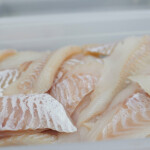
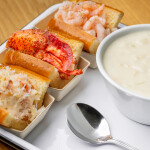
The “Regulations on Strict Economy and Opposing Waste in Party and Government,” published jointly by the Central Committee of the Communist Party of China and the nation’s State Council, state that high-end dishes, cigarettes, and alcohol should not be provided at work meals. Seafood species like croaker, grouper, mandarinfish, and shrimp, as well as salmon in recent years, have been staples on government banquet tables, with the new regulations set to affect sales.
The revised measures include 20 major changes related to official work meals, the use of government cars, study and inspection tours, government office and dormitory decor, and other expenditures.
The latest guidance also warns party and government officials to “lead by example in living frugally” when organizing official receptions. The Chinese Communist Party said it wants to fight what it terms the “four winds: formalism, bureaucratism, hedonism, and extravagance.”
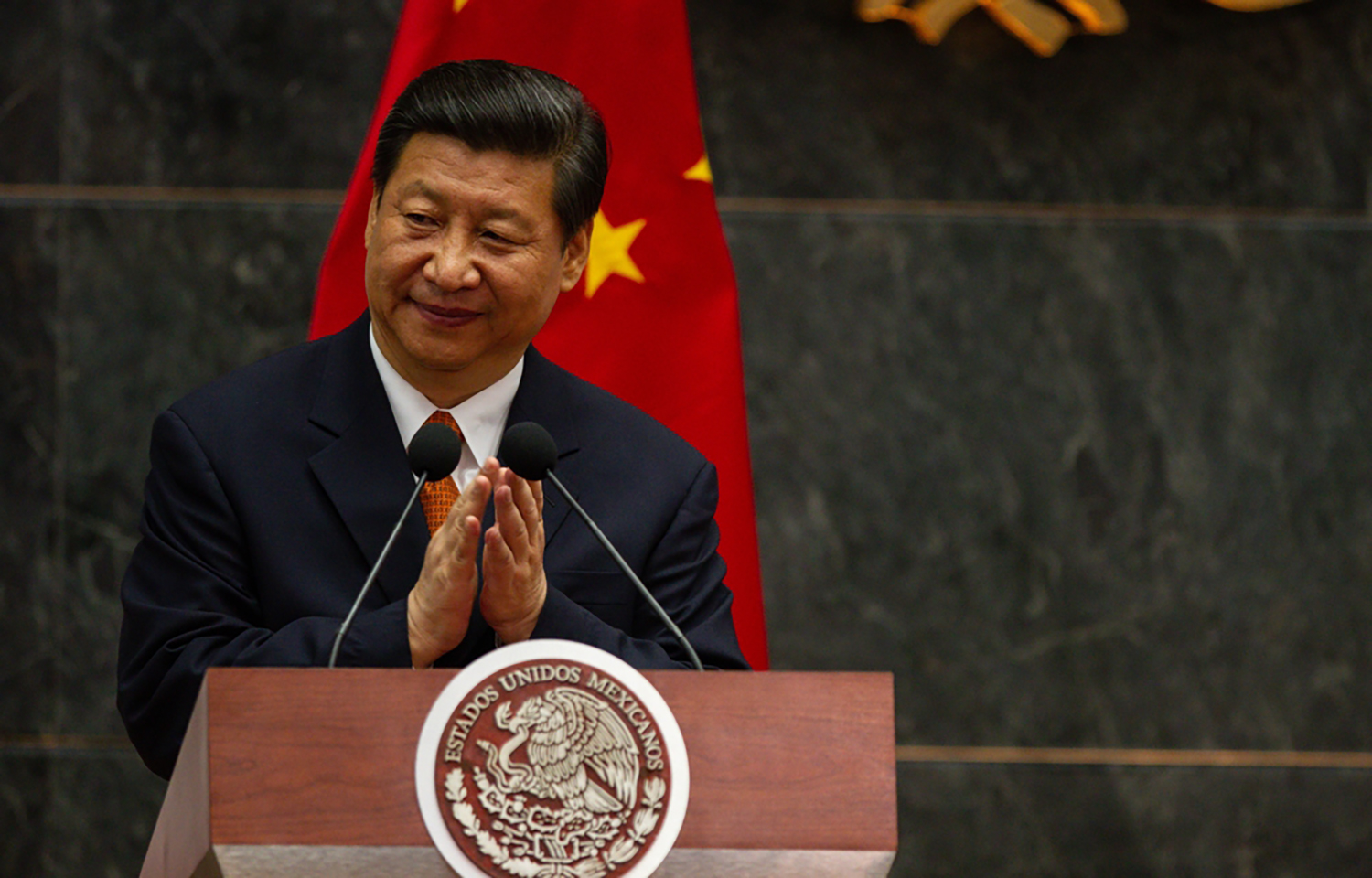
The move represents the latest in a series of decade-long efforts implemented by Chinese President Xi Jinping to clamp down on extravagance.
Even before efforts like this, demand for luxury goods in China, including seafood, was already tailing off.
According to a report released last year by Paris, France-headquartered investment bank Natixis, a massive effort was required to convince Chinese consumers to resume spending on luxury products.
“Our take at this crossroads is that China's luxury market may stall given structural deceleration,” Natixis said at the time. “The weaker yuan and the low inflation environment in China mean the cost of luxury spending will be higher, deterring more middle-class consumers. China's disposable income is decelerating with a lower consumption propensity. For each additional yuan households receive, they tend to consume a smaller part of it. The regulatory changes and state-led wage cut in some sectors have dampened sentiment, and the weak property and equity outlook also harm passive income.”
The report preceded U.S. President Donald Trump taking office and stirring greater economic uncertainty with worldwide tariffs.
