



The European Commission has authorized member nations to provide financial assistance to commercial fishers, aquaculture producers, and processors who have been impacted by the ongoing fuel crisis caused by the war in Iran.
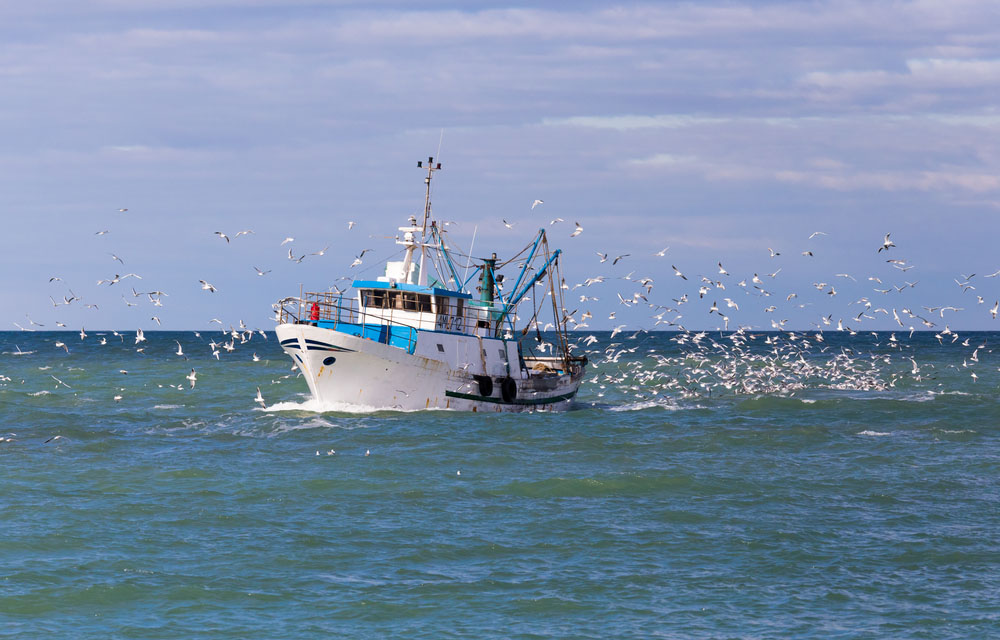
The Iran war has led to a surge in fuel prices that have impacted commercial fishers around the globe. The closure of the Strait of Hormuz – a critical juncture for oil being transported out of the Middle East – has remained closed for weeks, cutting off access to oil and sending prices skyrocketing. From Thailand to the United States, commercial fishers are considering keeping their vessels tied to the docks as the high fuel prices cut deeply into any potential profits they might make from their catch.
“Hostilities in the Middle East have driven up the price of energy and raw materials, significantly increasing operating costs and squeezing profit margins across the E.U.'s fishery and aquaculture sector. Part of the Union's fishing fleet has already ceased operations due to reduced profitability. The aquaculture and processing sectors are similarly affected,” the commission said in a 16 April announcement.
E.U. officials, member states, and industry groups have called on the bloc to activate emergency provisions to unlock financial support for struggling fishers, and on 16 April, the European Commission activated the available mechanisms of the European Maritime, Fisheries and Aquaculture Fund (EMFAF).
“The people who bring seafood to our tables deserve our full support when a crisis beyond their control threatens their livelihoods. I am talking about fishers facing uncertainty at sea, aquaculture producers managing thin margins, and fishmongers keeping coastal communities alive. Today’s decision ensures that they do not face this situation alone. The European Union stands with them,” E.U. Commissioner for Fisheries and Oceans Costas Kadis said in a statement.
Following the activation – which is effective retroactively to the beginning of the Iran war on 28 February – E.U. member nations are authorized to utilize their allocated EMFAF funds to provide financial compensation to their respective commercial fishing and aquaculture sectors. The fund has a budget of EUR 6.1 billion (USD 7 billion) from 2021 through 2027, which is intended to support innovative and sustainable fishing and aquaculture projects. The commission noted that EUR 1.3 billion (USD 1.5 billion) is still left in the fund and EUR 760 million (USD 896 million) will remain following the emergency support measures.
Member nations can use their allocated funds either to provide direct financial compensation to the fishing and aquaculture sectors or to support storage of fishery products temporarily to help stabilize market prices.
The commission said it intends to enable member states to offer additional aid in the coming weeks.
“The commission is consulting member states to seek their views on a targeted and temporary framework to address the effects of the crisis on some of the most exposed sectors of the economy, including the primary production of fishery products such as landing, handling or initial processing of fish,” the commission said. “The commission aims to adopt the temporary framework by the end of April.”
Some E.U. states have already begun offering aid; Spain announced EUR 25 million (USD 29 million) in aid for commercial fishers in March, and France announced fuel reimbursement to commercial fishers for the month of April. Following the European Commission’s opening of EMFAF emergency measures, Ireland announced up to EUR 5 million (USD 5.92 million) per month in aid to its fishing sector.
