


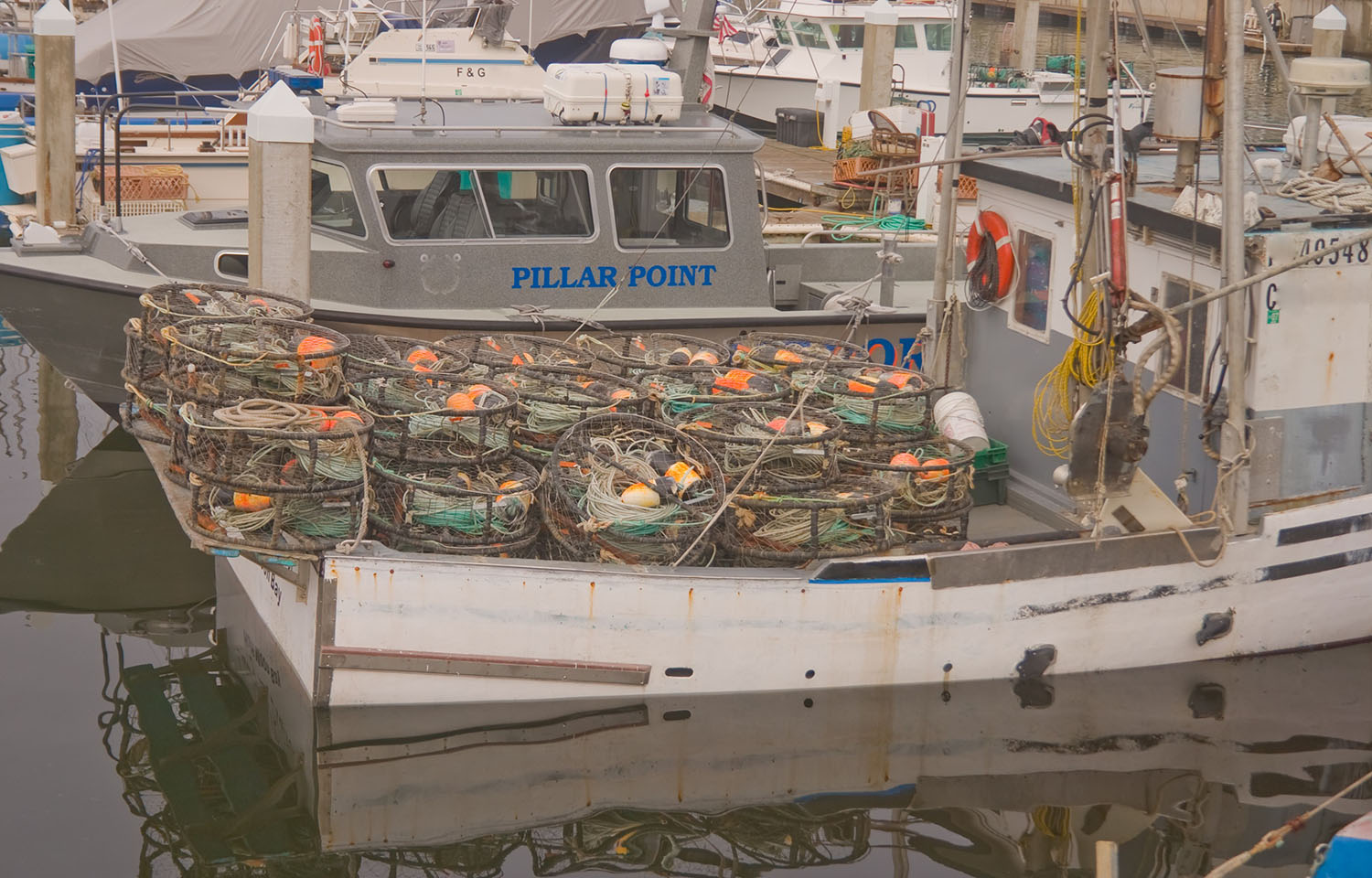
During an 14 August board meeting, the Oregon Department of Fish and Wildlife (ODFW) unanimously voted to pass electronic vessel monitoring requirements for the state’s Dungeness crab operations, aiming to reduce the risk of whale entanglement.
ODFW said in a release that each commercial crab vessel in the state’s Dungeness fishery must now install an electronic vessel monitoring system by 1 February 2027. Original legislation required the installation two months earlier, but upon listening to public feedback, the commission pushed back the deadline to next year.
During council discussion, ODFW Marine Resources Program Manager Justin Ainsworth explained that the installation of electronic monitoring systems is expected to cost less than USD 800 (EUR 690) per vessel and said ODFW is working to have those setup costs covered by federal funding. After installation, he said commercial vessels would have an ongoing annual subscription cost of around USD 200 to USD 400 (EUR 172 to EUR 345).
Ainsworth further explained fishermen will be able to self-install the systems, and specific vendors are not required.
Though each system does not have to be uniform, they should all be able to provide location and other data at specific time intervals, streamline data collection, and track fishery reference points in real time, according to ODFW.
"For this vessel monitoring system we're proposing, it's only during the time that a vessel is actively crabbing, which is different from other vessel monitoring systems which require them to be on 100 [percent] 24 hours a day," Ainsworth said. "So, a vessel that fishes three months of the season only needs to have the service going for those three months.”
The department said data gathered through the systems will aid in better understanding the overlap between crab fisheries and whales while also improving traceability of Dungeness crab, helping enforce season openings, and making more informed decisions on area closures and regulations.
Current electronic monitoring of commercial crabbing vessels only covers about 10 to 15 vessels per season, according to ODFW, and the data is only transmitted back to the department four times an hour, which the department said is an insufficient data collection method for tracing potential whale interactions. Fleets also currently report data on paper logbooks, which can cause a two-year lag in data analysis, according to ODFW, explaining the newly proposed electronic monitoring systems would close that gap and provide more data at little to no burden on fishers.
"The record shows we are taking a progressive and adaptive approach while working to protect the economic viability of the crab industry," ODFW Commissioner Mark Labhart said during the meeting.
Several board members raised questions about exempting fishing vessels of a smaller size after gathering public feedback, but Ainsworth challenged that notion by saying the department does not have enough data yet on how vessel size impacts whale entanglement and said the electronic monitoring systems would aid in researching this correlation.
Also during the meeting, commissioners discussed criteria and guidelines for approving experimental fishing gear permits and said rules to modify those could be issued by spring 2027. Before that can be done, however, ODFW decided that testing would need to be completed to properly determine the usefulness of alternative gear in crab fisheries.
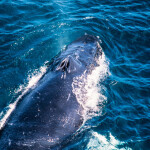
The meeting took place shortly after a juvenile humpback whale was found tangled in fishing gear 20 miles off the coast of Oregon. The animal was disentangled but its jaw was stuck permanently open, meaning the whale is unable to feed and will likely die.
NGOs have continued to call for the implementation of ropeless fishing systems, also known as pop-up or on-demand fishing gear, which have been deemed safe around whales due to the equipment's lack of a vertical line in the water column.
