

Several Irish candidates running for election to the E.U. Parliament are claiming the Netherlands exercises outsized control on the bloc’s fisheries policy and possesses an unfair share of quotas.
Irish Member of the European Parliament Luke Ming Flanagan, who is seeking reelection, claimed MEPs from the Netherlands dominate fisheries policy discussions in Europe and are unlikely to cede any quota their country has, some of which Flanagan believes rightfully belongs to Ireland.
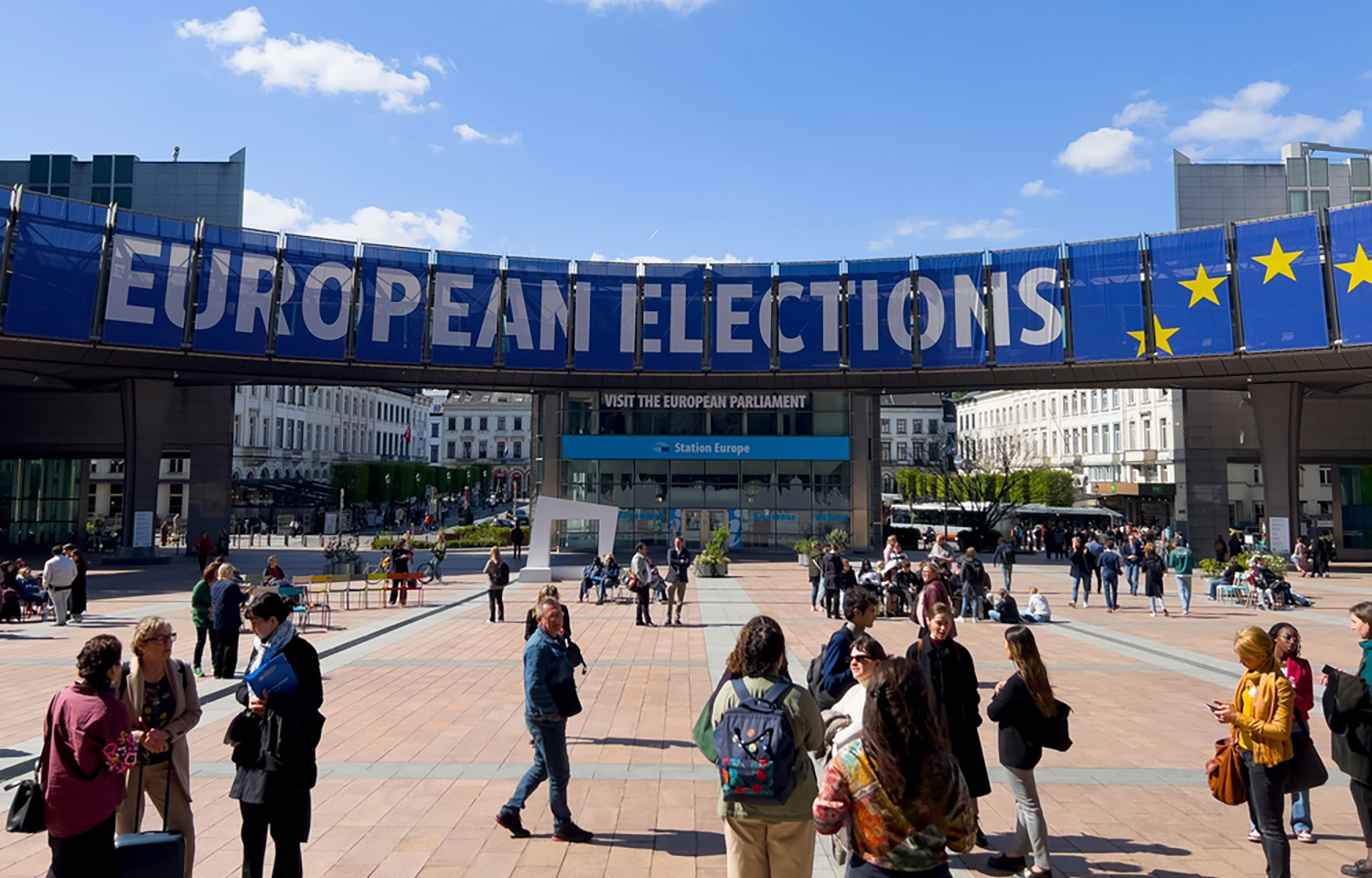
According to Flangan, the influence Dutch MEPs currently have on European fisheries policy is likely to increase after the elections, which are set to start 6 June.
Ireland's right-leaning Identity and Democracy (ID) group is expected to win more seats in the upcoming elections, and with numerous Dutch MEPs aligned with the ID group, Irish efforts to wrestle away quota may become more difficult, Flanagan said.
“If you are looking to get involved with MEPs who will cooperate and hand over what’s ours, the last people to do it will be the ID. You are asking the people who run the fishing industry in the E.U. to give it all away,” he said at a town hall event organized by the Irish Fish Producers Organization (IFPO), along with the Killybegs Fishermen's Organization (KFO) and the Irish Fish Processors and Exporters Association (IFPEA).
IFPO CEO Aodh O’Donnell echoed Flanagan’s concerns, pointing out that Irish waters comprise 12 percent of E.U. fishing waters, but the country has just 5.6 percent of E.U. fishing quotas.
Though right-wing gains in the election are likely to increase Dutch influence, other Irish candidates, such as Hermann Kelly of the Irish Freedom Party, are hoping that more nationalistic MEPs will garner significant opposition to the bloc’s Common Fisheries Policy (CFP) – which sets national fishing quotas across the E.U. – and allow individual countries more autonomy when it comes to policing fishing policies.
Kelly, who served as an aide under British politician and broadcaster Nigel Farage when he was a major driver in getting Brexit passed in 2020, is hoping nationalistic parties can shift more control of fisheries quotas to national governments and allow Ireland in particular to “play hardball” against French and Spanish vessels unloading at Irish ports that he said unduly benefit from E.U.-wide regulations.
James Reynolds of the Irish National Party, who is also running for Parliament, suggested each country be allowed to adapt E.U. fishery and other policies according to national needs, and the “pillaging” of Irish waters by foreign trawlers would no longer be allowed. He also said he hopes the upcoming elections will lead to the scrapping of the E.U.'s common fisheries policy (CFP), which was revised in 2023 after being widely criticized for years.
Irish right-wing candidates, if elected, will meet stiff opposition in trying to scrap the CFP, though, as it directly benefits the operations of massive companies like the Netherlands-based Parlevliet & Van der Plas (P&P Group), which has an annual revenue of around EUR 1.5 billion (USD 1.6 billion).
A December 2023 report published by the Pulitzer Center outlines how P&P has used the E.U.’s quota system under the CFP to acquire quota from various E.U. states by purchasing trawlers to which quotas are tied.
“The company’s expansion is possible thanks to two things: the CFP and a system in many European countries that allows for quotas to be transferred between companies and ships,” the report said.
The report also explained corporate consolidation has directly led to a decrease in Irish fleet power and that firms such as P&P have vertically integrated to better compete with large Norwegian counterparts.
“[When building their brands], additional supply of raw materials was needed, which could be acquired through accessing stocks outside national waters,” the report said. “As a result, Dutch pelagic fishing companies started to invest in several European countries, including Germany, France, the U.K., Denmark, Lithuania, Spain, and Portugal.”
