






Geneva, Switzerland-headquartered global logistics firm Mediterranean Shipping Company (MSC) is using new technology to tackle the global seafood sector’s unique shipping challenges via a highly agile approach to cold chain logistics.
Serving a sector that is affected by challenges ranging from weather to geopolitics, MSC’s approach is to be extremely prepared for changes big and small.
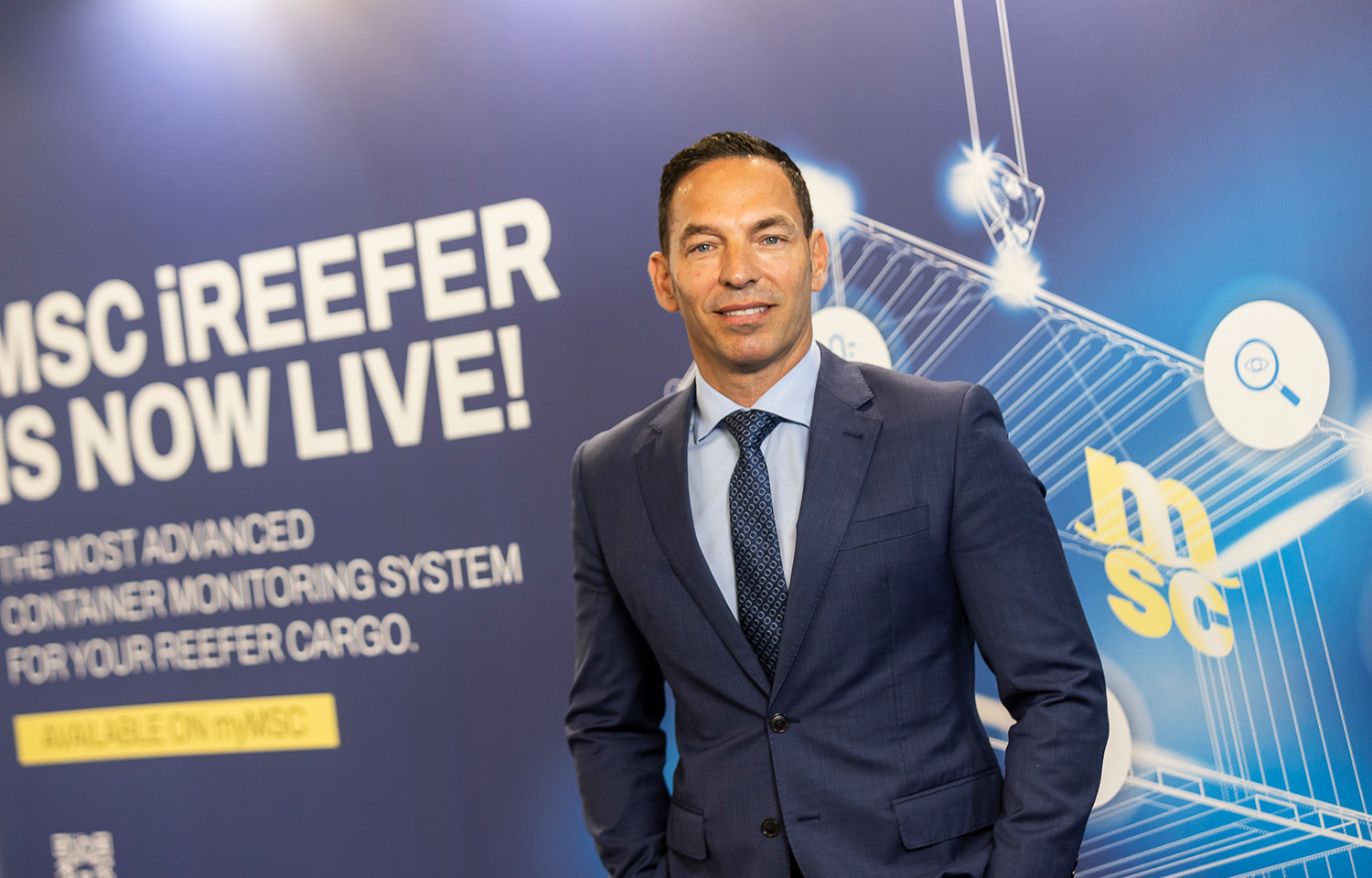
To address these challenges, MSC has launched iReefer – a digital monitoring system that MSC Spain Reefer Manager Julio Nestar called “the world’s most advanced,” enabling “customers to track temperature-controlled shipments in real time.”
“Fishing combines seasonality with the global market,” Nestar said. “We cannot just rely on providing the same services as last year because timings and customer needs both change.”
The iReefer digital platform has an essential package that is free of charge and focuses on temperature control, while two higher-paid levels of iReefer – pro and ultimate – include more advanced analytics, such as telemetry data, GPS location, defrost periods, API integration, and system-to-system data transfer.
“[This technology] not only reduces the risk of damage or loss of goods but also significantly improves efficiency in supply chain management, offering a real competitive advantage in the transport of temperature-sensitive cargo,” Nestar said.
He added that maritime research and consulting firm Drewry estimated global seaborne trade in fish and seafood grew recently to around 18.1 million metric tons, making it essential to match “reefer equipment availability with the right routes and timings,” especially as headwinds facing the industry remain constant.
“Ongoing changes in trade lanes, including rerouting via the Cape of Good Hope, have extended transit times and increased pressure on capacity planning,” he said. “Port congestion – particularly across Asia and Europe – continues to disrupt global schedules, contributing to a rise in blank sailings.”
Blank sailings occur when an ocean carrier skips a port of call on a scheduled rotation; they occur for a variety of reasons and cause problems, including additional expenses and delays, for shippers who planned to unload or load their cargo at a skipped port. They can be catastrophic, too, for perishable goods which require temperature control.
These types of issues make it necessary for stakeholders to have “absolute traceability throughout [a product’s] journey,” such as through iReefer, Nestar said.
Despite the challenges facing the industry, Nestar said he ultimately feels positive about the sector’s future.
“The fishing industry remains resilient,” he said. “With continued collaboration and a flexible approach, we can keep adapting and delivering for our seafood customers – no matter how the landscape evolves.”
