






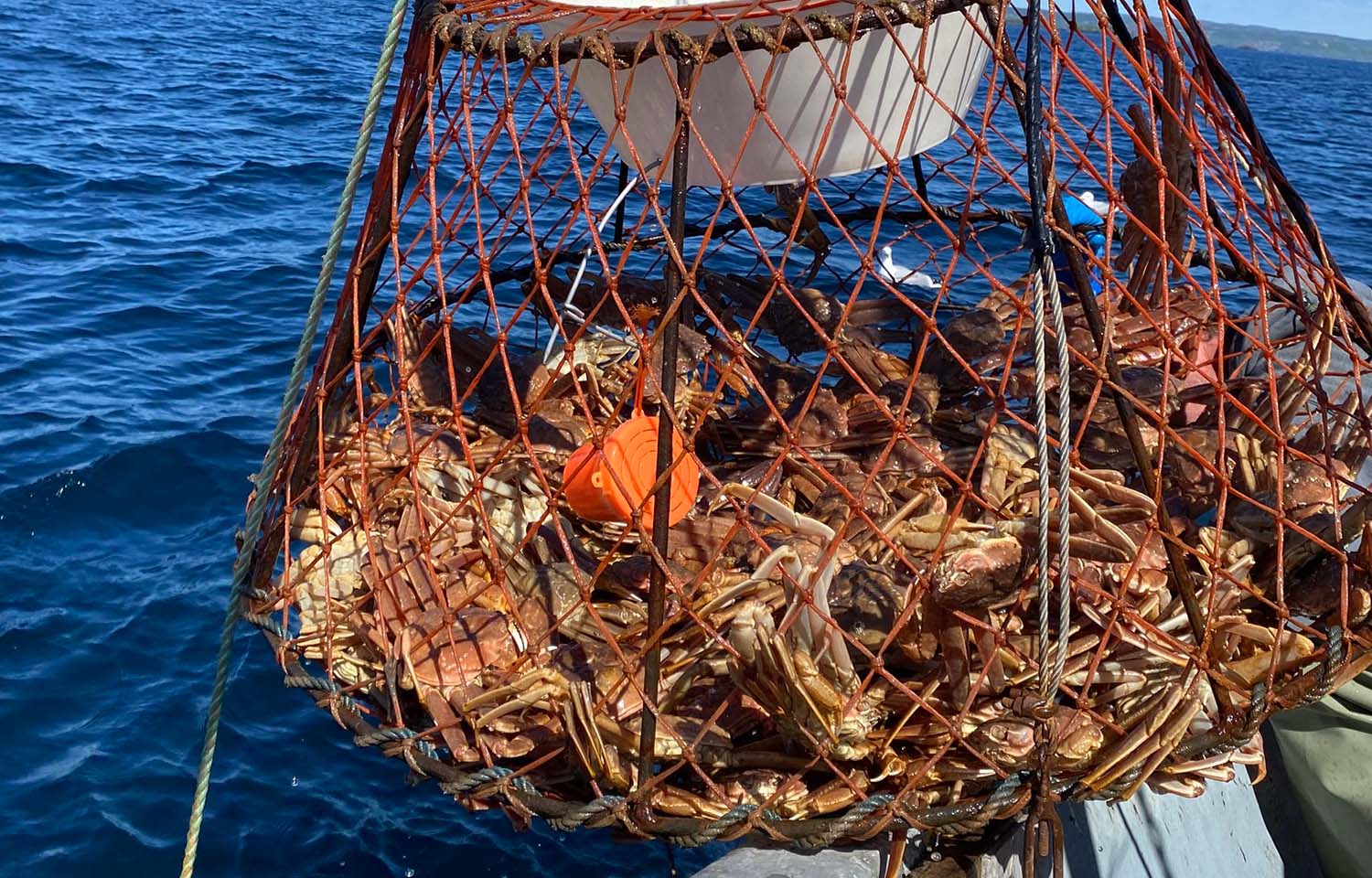
The Fish, Food, and Allied Workers Union (FFAW), which represents snow crab harvesters in the Canadian province of Newfoundland and Labrador, said it is meeting with government officials as it pushes back against a rebate amount it said was too low.
The FFAW called for action in the wake of auditing firm Deloitte determining a final rebate amount of CAD 0.28 (USD 0.20, EUR 0.17) per pound of snow crab. The rebate was based on a pricing decision from early 2025, which established it as a means of accounting for fluctuations in the prices for snow crab across the season.
The union said that amount was shortchanging harvesters and promised “boots on the ground” if the provincial government – including Newfoundland and Labrador Premier Tony Wakeham – did not take action.
In an update, FFAW said it has met with Wakeham and said he is planning to address the union’s concerns and meet with them again next week.
“The Premier understands the value of the formula that was in place this year when it comes to starting the fishery on time and treating all harvesters equally regardless of when they land their crab,” FFAW President Dwan Street said.
Street accused the Association of Seafood Producers (ASP), which represents processing companies in the province, of “blatant market manipulation” and said it was crucial that the two organizations meet to discuss the issues.
The union also accused companies of skirting around the pricing agreement.
“It has recently come to light that companies like OCI have given select harvesters bonuses of up to CAD 0.35 [USD 0.25, EUR 0.22] per pound in addition to the calculated rebate,” FFAW Secretary-Treasurer Jamie Baker said. “These individual agreements are counter to the purpose of a collective agreement, and it’s harmful to independent owner-operator enterprises.”
Baker called for a show of “good faith” from the ASP in what he called “pressure-boiler” situation with harvesters.
The ASP has maintained the settlement price was based on the formula created by the FFAW during the price-setting process and called for calm soon after the original rebate price was established.
“ASP also cautions against rhetoric being shared by the FFAW, including its president, that risks deepening divisions within the fishery and, more importantly, undermining the industry’s global reputation – ultimately creating market uncertainty that can impact prices,” ASP said. “In addition, any threats to the safety of individuals will not be tolerated and will be addressed through appropriate legal channels and have no place in the industry.”
