





A new report from Egyptian NGO Egyptwide claims actions undertaken by the Egyptian Armed Forces (EAF) have worsened the living conditions of fishing communities in at least six fish-producing and -farming regions.
The report, titled “Troubled Waters: The Human Rights Cost of Military-led Enterprises in Egypt’s Fishing Sector,” asserts that since 2014, the role of the Egyptian military in the nation’s fisheries and aquaculture sectors has expanded dramatically, as several large projects are promoted, owned, and managed by the EAF. These include projects around the lakes of Ghalioun, Burullus, Manzala, Mariout, Bardawil, Port Foua/Malaha, Edku, and Nasser.
At these lakes and other locations, the military, through the Armed Forces Engineering Authority (AFEA), has classified large-scale national farms and fishing operations as “military-adjacent,” a designation that gives the EAF exclusive power to approve residence, construction, land ownership, economic activity, and infrastructure, the report alleged.
"Consequently, civilians are subject to military law, and unauthorized entry or any economic activity is to be prosecuted by military authorities, including of communities that already exist, live, or work in affected areas prior to the issuance of the decree," the report said.
It added that local fishing communities, especially in and around the cities of Kafr el-Sheikh, Alexandria, and Damietta, have been denied access to traditional fishing sites without prior consultation and are “facing increasing, largely arbitrary bureaucratic constraints to the renewal of fishing licenses.”
“No compensation was offered for the loss of income, and those who tried to maintain fishing licenses became entrapped in spirals of debt, often leading to imprisonment,” the report said.
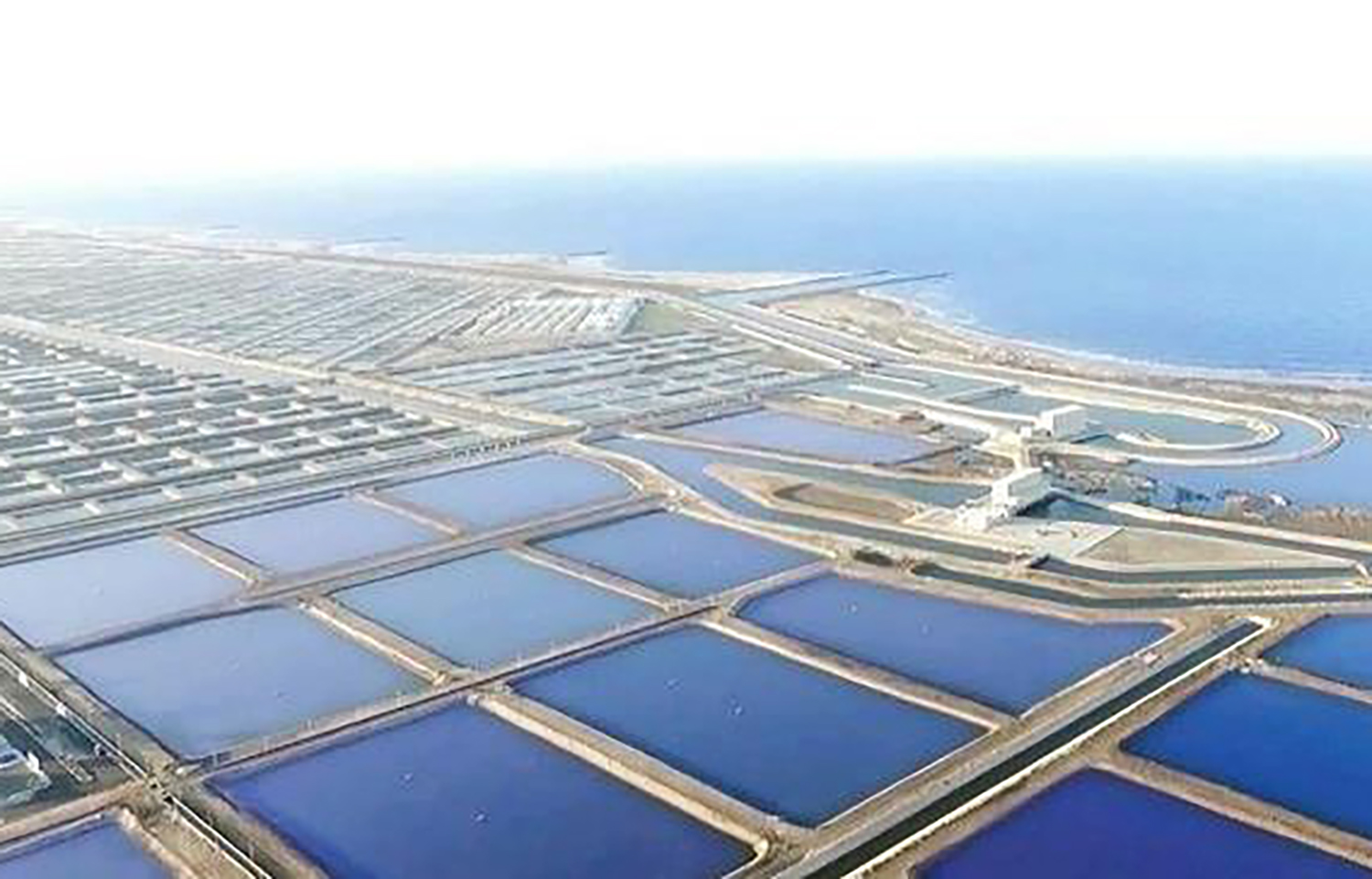
One such enterprise, the report highlighted, is the EGP 14 billion (USD 281.9 million, EUR 242.3 million) Berket Ghalioun Fishing and Aquaculture project, touted as the largest such fishery undertaking in the Middle East and Africa.
According to the report, EAF has claimed the project has aided in the fight against illegal fishing and increased fishery production in Egypt by 70 percent, all while supporting the economy through exports.
However, the report said these numbers were skewed.
“Anecdotal evidence suggests that mega projects have often failed to produce the desired outputs nor have they contributed to improving the socioeconomic conditions of the impoverished communities that they purportedly intended to benefit,” the report said.
In response to the military’s takeover of projects, many fishers have opted for informal or low-income jobs outside of the sector, and some have even attempted to emigrate in search of better opportunities, including to Europe.
Other fishers who decide to continue in the profession have become “the target of a large-scale ongoing campaign of arbitrary arrests under the pretext of violating new fishing regulations or posing a threat to national security,” the report said.
“In most cases, the authorities presented no evidence in support of the charges filed against them, and the defendants were tried in military courts despite their civilian status and the alleged crimes’ civilian nature,” the report said.
To mitigate the issue, the report recommended the immediate cessation of all acts of oppression against fishers in Egypt’s lakes and surrounding areas and a repeal of “military-adjacent” status for these properties.
It also called for the military to uphold civilians’ right to be tried before competent, independent, and impartial juries of their peers, rather than military courts.
Furthermore, the report suggested enterprises owned, controlled, or run by the EAF should be under the oversight of civilian agencies and governmental bodies. The Egyptian government should also guarantee the issuance and renewal of fishers’ licenses through standardized, public, and transparent mechanisms, fully controlled by civilian authorities, the report said, which would uphold their right to secure means of sustenance. It added that fair compensation should be doled out for loss of livelihood and the confiscation of fishing equipment, at least since 2019.
To ensure the issue does not arise again, it also called for continuous dialogue between government bodies and fishers' representatives and associations, as well as transparent recourse mechanisms to ensure prompt, independent, and impartial investigations into all abuses, including arbitrary detention, ill treatment, and the confiscation of property.
