



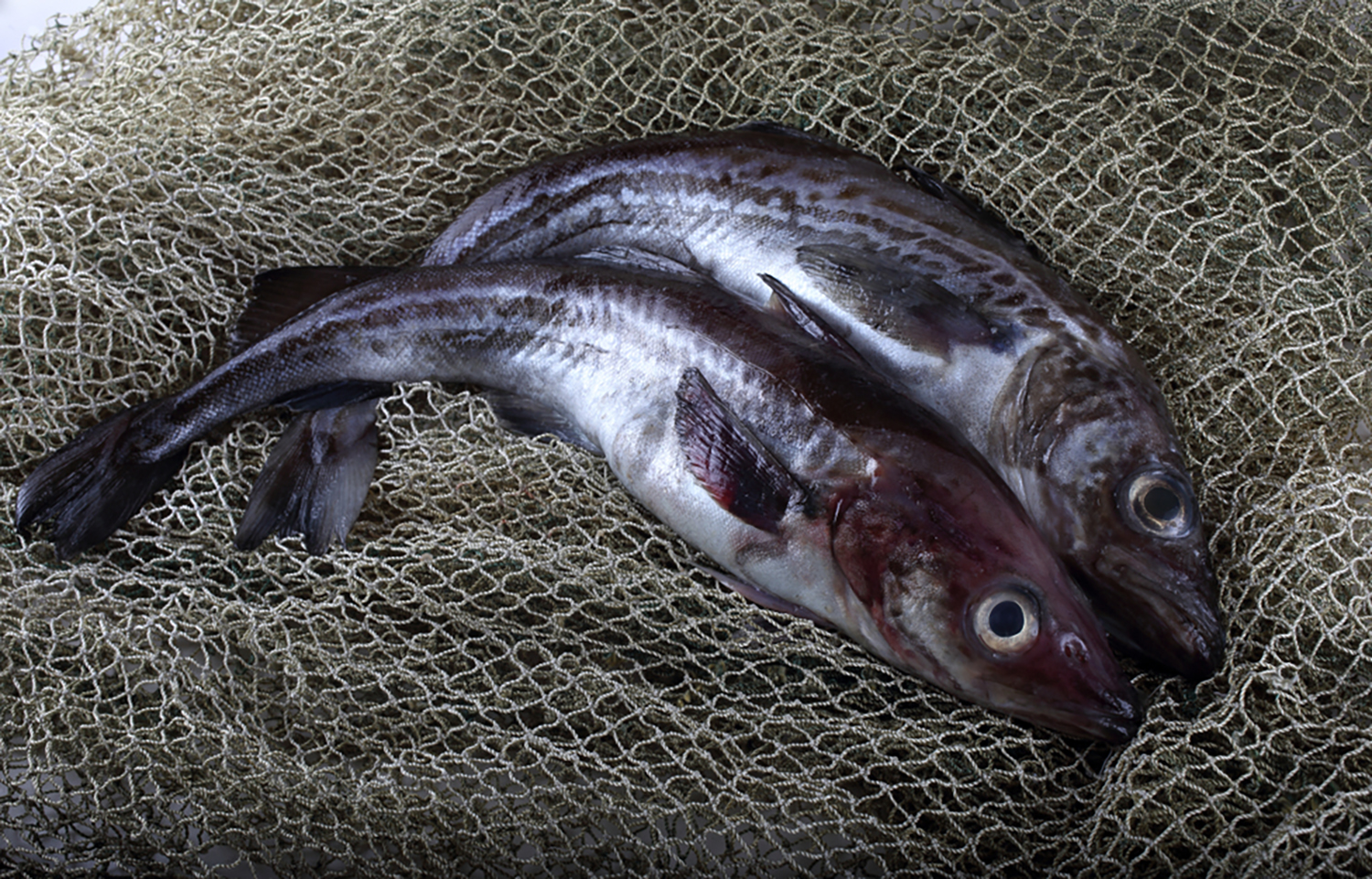
The North Pacific Fishery Management Council (NPFMC) has slashed pollock quotas in the Gulf of Alaska by more than 25 percent for 2026 but has kept much larger quotas in the Bering Sea nearly the same.
During a council meeting held 4 to 9 December in Anchorage, Alaska, U.S.A., the body recommended cutting pollock quota from this year’s total allowable catch (TAC) of 186,245 metric tons (MT) to 139,498 MT. However, quotas in the Bering Sea will stay nearly the same as 2025’s TAC at just under 1.4 million MT.
The Alaskan pollock sector has been an economic bedrock for the state’s seafood industry, which has weathered multiple years of crab fishing closures and poor salmon returns. On the processing side, Trident Seafoods has planned a pullback from its operations in Alaska and sold off a number of its facilities, while other firms like Peter Pan and OBI Seafoods have partially or fully closed facilities throughout the state in recent years.
Amid the struggles of other sub-sectors, pollock has experienced solid economic gains.
Recent research commissioned by the Association of Genuine Alaska Pollock Producers (GAPP) found that in 2023, the state’s pollock harvest delivered USD 1.7 billion (EUR 1.4 billion) worth of products, including fillets, surimi, roe, fishmeal, and fish oil, much of which was processed in facilities throughout coastal Alaska. Additionally, the fishery supported more than 6,300 Alaskan jobs, providing the state’s workforce with more than USD 337 million (EUR 286 million) in wages.
The Alaska pollock fishery generated USD 2.5 billion (EUR 2.1 billion) in U.S. economic output, or sales activity, in 2023, with Alaska receiving nearly one-third of this total. The fishery was also responsible for an estimated USD 25 million (EUR 21 million) in state and municipal taxes.
“Those are dollars that flow directly to Alaskan families, small businesses, and local boroughs all across the state,” Northern Economics Economist Melissa Errend said. “For every USD 1.00 [EUR 0.85] of labor that’s earned by an Alaskan working in the Alaska pollock industry, USD 2.00 [EUR 1.69] are earned by other Alaskans – a huge multiplier effect of the fishery throughout the state.”
Nevertheless, the Gulf of Alaska cuts for 2026 and NOAA assessments showing large biomass drops in the Bering Sea could spell concern for the pollock sector in the near future.
Other quota decisions the NPFMC made for 2026 include a slight cut in Pacific cod quota in the Gulf of Alaska from 23,670 MT to 21,826 MT. The council said that it has requested the Alaska Fishery Science Center conduct a cod stock assessment in early 2026, as opposed to waiting until fall of 2026, and may change the quota mid-season depending on the results of the assessment.
“The reason for this request is a substantial increase in the recent survey for Gulf of Alaska Pacific cod, which could not be considered during the December meeting because the government shutdown prevented staff from completing the planned stock assessment,” the NPFMC said.
