


Curt Brown is a commercial lobsterman and marine biologist with Bold Coast Seafood in Maine. Leann Cyr is the executive director of the Alaska Marine Safety Education Association (AMSEA) and a health and safety researcher. Bob Rheault is the executive director of the East Coast Shellfish Growers Association and a long-time shellfish farmer in Rhode Island. Scott Hickman is a Texas-based charter and commercial fisherman who chairs the Texas Sea Grant Advisory Board.
The U.S. maritime economy is growing faster than the economy as a whole, supporting over 2.6 million jobs and contributing USD 511 billion (EUR 434 billion) to the nation’s GDP.
From lobster docks in Maine to oyster farms in Florida, kelp farms and commercial fisheries on the West Coast to maritime training in Alaska, charter fishing in the Gulf to inland shipping in the Great Lakes, America’s coastal and freshwater industries are fueling economic growth, feeding families, and sustaining communities.
At the heart of that growth is Sea Grant, a trusted federal program linking science, communities, and industry across every coastal and Great Lakes state.
Modeled after the Land Grant college system that helped transform American agriculture, the Sea Grant college program has spent more than 50 years doing the same for the nation’s marine and freshwater economies, combining applied research, hands-on education, and direct investments in communities and businesses to promote sustainable growth.
That model works. It works for the charter boat captain who needs up-to-date science on fish stocks, reef health, and ocean conditions. It works for the shellfish farmer navigating complex permitting processes, building a skilled workforce, and developing business plans to stay competitive. It works for the lobsterman who relies on data about juvenile lobsters entering the fishery to make informed decisions about their gear, boat, and future because without that data, they’d be navigating blind. It works for the seafood processor hiring the next generation of workers and for the harbor manager planning infrastructure upgrades to withstand future storms. It works for the grocery shopper 1,000 miles from the coast looking for fresh, healthy seafood and for the inland communities whose economies depend on waterborne trade and shipping. It works for families, for small businesses, for regional economies, and, ultimately, for the nation.
In communities across the coasts and throughout the Great Lakes region, Sea Grant is a force multiplier, training the people who feed the country, steward public waters, and power a maritime economy that generates over USD 827 billion (EUR 703 billion) in annual sales. It’s a hands-on program with deep local roots, helping businesses grow, communities adapt, and industries thrive. By supporting workforce development, sustainable practices, and locally driven innovation, Sea Grant helps ensure that this economic engine remains strong, competitive, and resilient.
Seafood is a cornerstone of this prosperity. Domestic producers are working harder than ever to stay competitive in the face of imports, regulatory shifts, and labor shortages. Sea Grant helps level the playing field, providing science-based tools, business planning, and technical training tailored to the needs of seafood producers.
Across the country, Sea Grant has supported gear innovation, enhanced seafood safety, and helped fishing businesses adapt to shifting markets through new consumer channels, value-added products, and direct-to-market strategies. Whether it’s improving harvest practices, supporting red snapper and lobster stock assessments, connecting seafood businesses with financial resources, or strengthening aquaculture through hatchery development and permitting assistance, Sea Grant is helping put nutritious, locally grown fish and seafood on American tables, reducing the seafood trade deficit and supporting the future of U.S. seafood.
But, Sea Grant’s impact stretches far beyond the dock.
The program also supports the people and infrastructure behind marine construction, charter operations, maritime safety, shipping, and working waterfronts, including those in the Great Lakes region, where inland ports and harbors are economic lifelines for industries generating USD 6 trillion (EUR 5.1 trillion) annually and supplying 18 percent of Earth’s freshwater.
It also helps foster a culture of safety. In one recent example, a commercial fisherman applied Sea Grant-sponsored training to rescue someone from cold waters in Long Island Sound and administer lifesaving care – just one example of how the program equips working professionals with the skills to respond in critical moments and safeguard their communities.
That same focus on preparedness is evident in Alaska and many other U.S. ports, where Sea Grant-trained instructors deliver life-saving training to thousands of commercial fishermen working in some of the world’s most dangerous waters.
On the West Coast, Sea Grant supports efforts ranging from kelp aquaculture to workforce training and fisheries science to marketing local seafood that sustain jobs and protect ecosystems.
In the Gulf, Sea Grant-supported partnerships are rebuilding fisheries and restoring reef habitat critical to both commercial and recreational catch.
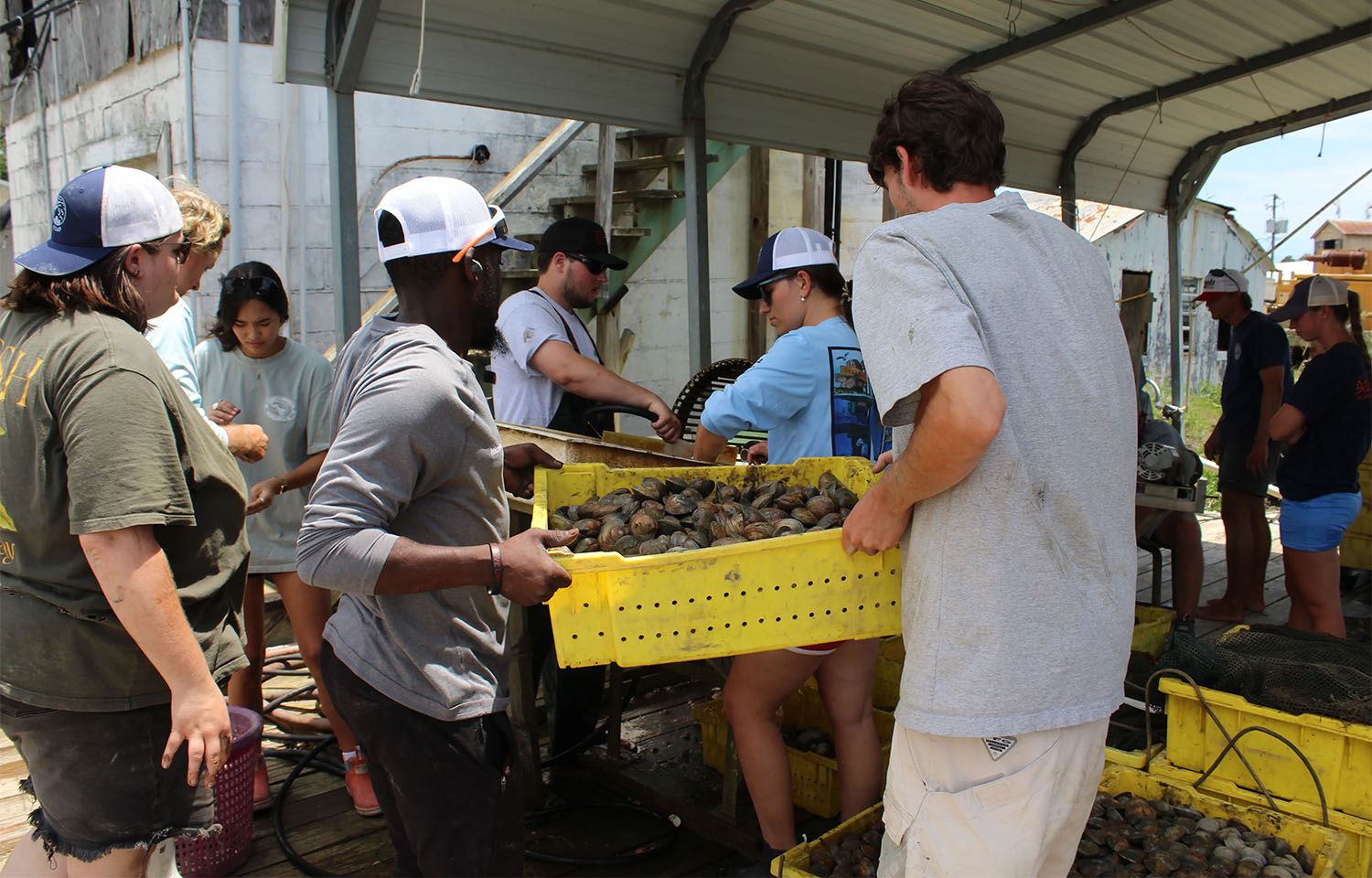
On the East Coast, Sea Grant helps shellfish growers strengthen their operations through workforce development and business planning.
In the Great Lakes, Sea Grant works with port authorities, engineers, and harbor-based industries to keep ports open, modernize infrastructure, provide maritime workforce development, and protect jobs essential to America’s inland maritime supply chain.
The threats facing coastal and Great Lakes communities today are complex. From hurricanes and flooding to shoreline erosion, harmful algal blooms, and workforce disruptions, the risks are growing and so is the need for science that’s usable, timely, and locally grounded. Sea Grant helps bridge that gap, connecting researchers and communities in ways that reduce vulnerability and strengthen resilience.
We come from different places and work in different sectors, but we’ve seen what Sea Grant makes possible. We’ve built businesses, trained crews, partnered with researchers, and helped protect lives and livelihoods because this program exists.
The return speaks for itself: A USD 94 million (EUR 80 million) federal investment has generated more than USD 828 million (EUR 704 million) in economic benefit, supporting jobs, innovation, and resilience from coast to coast.
Sea Grant is a smart federal investment in local communities, and it’s never been more needed than it is today.
