



Correction: This article has been updated to remove a quotation from U.S. Representative Seth Moulton with an incorrect grant award amount.
During a recent U.S. Congressional hearing, lawmakers touted the importance of continuing a grant program designed to help train and develop the next generation of fishers.
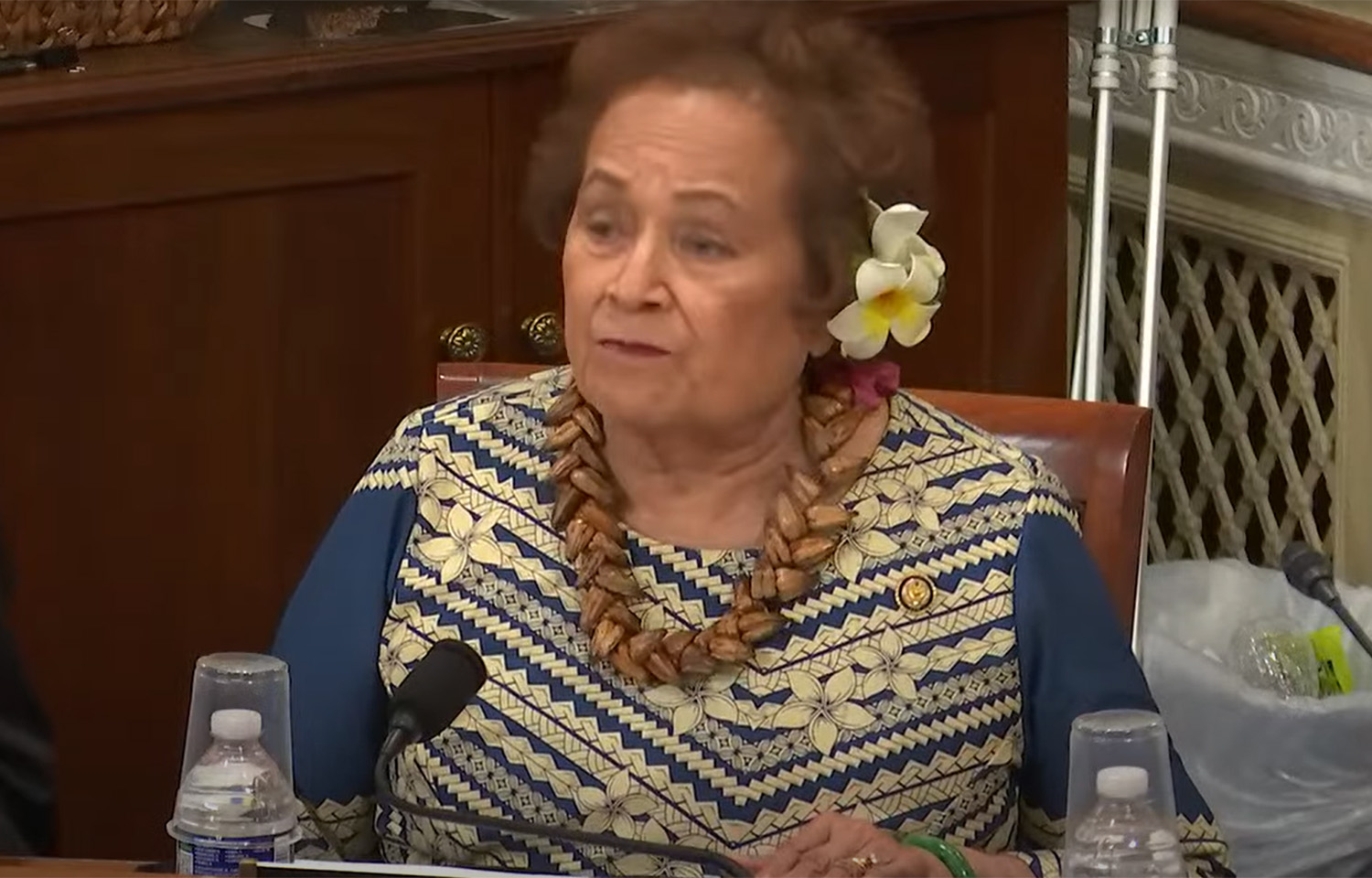
“This legislation will provide tools to support and establish seafood businesses and set the next generation of fishermen up for success,” U.S. Representative from American Samoa Aumua Amata Coleman Radewagen said during a 3 September House Subcommittee on Water, Wildlife, and Fisheries hearing.
However, it’s unclear whether U.S. President Donald Trump – whose administration has sought to slash grant funding across the federal government – will support the effort.
The Young Fishermen’s Development Act established a competitive grant program, which provides grants of up to USD 200,000 (EUR 169,938) annually through NOAA’s Sea Grant Program for initiatives that offer training, education, and other support to young fishers.
“Fishing is a cornerstone of coastal life, supporting jobs, feeding families, and connecting generations,” U.S. Representative Seth Moulton (D-Massachusetts) said in written testimony submitted during the hearing. “A life on the water, dedicated to harvesting a healthy catch for our families, is not just a livelihood but a calling. Generations have been called to this singular way of life. To keep this vital industry strong, we must invest in the fishermen of today – and tomorrow.”
The original legislation only authorized the program for five years, and it’s set to expire in 2026. Earlier this year, Moulton and U.S. Representative Nick Begich (R-Alaska) introduced legislation to authorize the program for another five years through 2031. U.S. Senator Dan Sullivan (R-Alaska), U.S. Senator Lisa Murkowski (R-Alaska), U.S. Senator Ed Markey (D-Massachusetts), and U.S. Senator Roger Wicker (R-Mississippi) have introduced a companion bill in the Senate.
"These grants help our coastal communities thrive by giving new opportunities to young people, helping fishermen get out on the water, and maintaining a local supply of fresh seafood," Moulton said.
The legislative push comes after the Trump administration has advocated ending the Sea Grant Program. Earlier this year, the administration froze funding for Maine’s Sea Grant Program – an apparent retaliation to Maine Governor Janet Mills' refusal to acquiesce to the president’s opposition to transgender athletes in high school sports. While the funding was ultimately restored after pushback from industry and Maine’s congressional delegation, when the Trump administration later submitted its fiscal year 2026 budget proposal, it fully eliminated Sea Grant funding and many other NOAA grant programs.
“NOAA’s educational grant programs have consistently funded efforts to radicalize students against markets and spread environmental alarm,” the Trump administration noted in its budget outline. “NOAA has funded such organizations as the Ocean Conservancy and One Cool Earth that have pushed agendas harmful to America’s fishing industries. These NOAA grants were funding things such as: George Mason University’s ‘Policy Experience in Equity Climate and Health’ fellowship, a workshop for ‘transgender women and those who identify as nonbinary,’ and NOAA Climate Adaptation Partnerships, which funded webinars that promoted a children’s book ‘designed to foster conversations about climate anxiety’ as therapy.”
Despite Trump’s apparent opposition to Sea Grant funding, Radewagen insisted during the 3 September hearing that the administration would fully support the Young Fishermen’s Development Act if Congress passes legislation continuing the program.
“Although the National Sea Grant College Program this bill would normally fall under did not make it into the president’s 2026 budget, the president and the administration have proven to be friends of the American fishermen with commonsense measures, such as the president’s executive order to reopen fishing around the Pacific Remote Islands Marine National Monument,” Radewagen said during the hearing. “I’m extremely grateful that he agreed to do the EO at my request, which helped greatly my home district and our tuna industry. I know that if Congress passes H.R. 3692, the administration will run the program with the same zeal and efficiency we’ve come to expect.”
Trump did sign the original Young Fishermen’s Development Act into law at the end of his first term in office in 2021, but his administration has not expressed support for continuing the program. In its testimony for the hearing, NOAA Fisheries did not take a position on the bill.
In a July statement, the Fishing Communities Coalition also expressed confidence that the president will ultimately sign the legislation into law.
"If passed, this reauthorization bill would also be signed by President Trump, continuing his support for the YFDP, consistent with his executive orders on strengthening the U.S. seafood industry, workforce development, and U.S. maritime industry," the national association noted in a release.
