






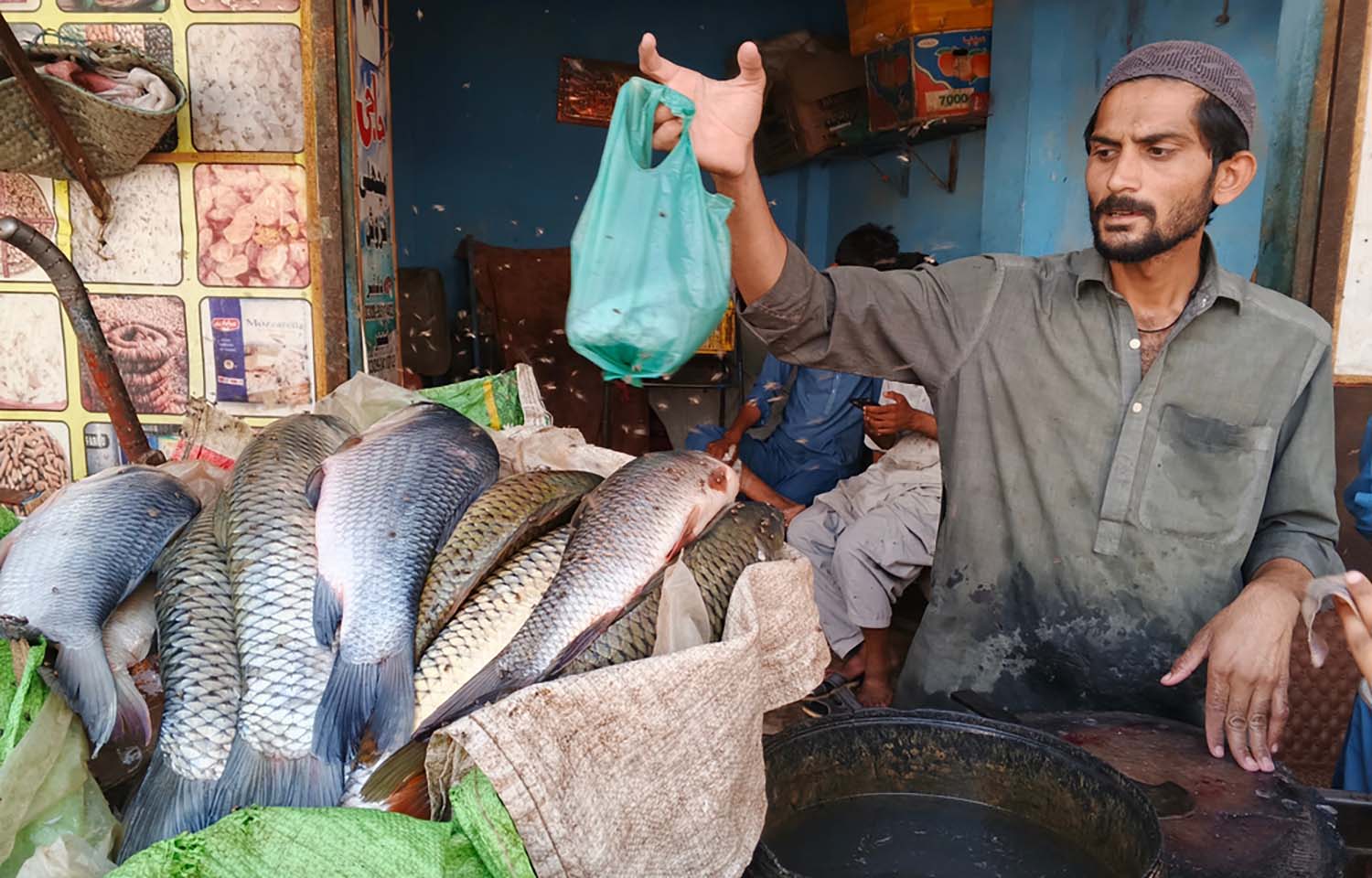
Pakistan’s seafood exports set a record by volume in the 2024-25 fiscal year but still fell short of hitting the sector’s long-held value goals.
The South Asian country sent 216,350 metric tons (MT) of fishery products abroad during the period, which ended in June 2025. That total marked an 8.3 percent jump from the nearly 200,000 MT sent abroad in fiscal year 2023-2024 and was largely attributed to the efforts of local fishermen and processors, who expanded their export capacities despite persistent global trade challenges, according to the Pakistan Fisheries Exporters Association (PFEA).
Exports by value rose 13.4 percent in the period to USD 465 million (EUR 399 million); though that total spiked year over year, it still fell short of the sector’s long-held goal of USD 500 million (EUR 428 million).
According to Muhammad Moazzam Khan, the former director-general of Pakistan’s Marine Fisheries Department, the country’s government has announced several measures to help the industry hit that goal, including supporting cluster-based shrimp-farming projects, establishing technical cooperation with Iran regarding shrimp hatchery development, applying on-board freezing technologies to reduce post-harvest losses, and more.
However, structural and regulatory restraints make that goal a tough mark to hit.
One large restraint is that demand has been weak in key Asian markets, particularly China, amid continued trade disruptions spurred by the U.S.’s constantly shifting tariff policies, according to PFEA Senior Vice Chairman Saeed Fareed.
Meanwhile, access to other high-value markets remains limited due to heavy restrictions or outright bans of Pakistani seafood.
The E.U. implemented a ban on Pakistani seafood in 2007 over concerns about sanitary conditions, and the U.S. instituted a ban in 2017 due to continued noncompliance with the mandatory use of turtle excluder devices. Only a few Pakistani companies that have proven their compliance with the rule have been granted exemptions to the U.S. market. Similarly, only a few Pakistani seafood processors have been granted export access to Europe after undergoing rigorous clearance procedures.
Saudi Arabia also placed a ban on imports of shrimp from Pakistan in 2016 due to the detection of White Sport Syndrome Virus (WSSV), according to the Saudi Aquaculture Society.
Another large restraint facing the Pakistani seafood industry is that processing plants face a raw material shortage, particularly with shrimp, Fareed said, explaining that many factories were operating at 20 percent to 25 percent capacity during the most recent fiscal year. With shrimp landings in continued decline, exports have shifted toward cuttlefish, squid, and octopus, he said.
Those problems are unlikely to abate any time soon, with Fareed warning of declining fish stocks in general in the country. Therefore, he and others have called on the Pakistani government to take swift action on conservation and management.
“The impacts of climate change on [Pakistan’s] coast are not future threats; they are present realities,” Marine Ecologist Abdul Rahim wrote in a recent article for the Express Tribune. “Marine ecosystems are transforming, fish populations are declining, and coastal communities are being pushed to the edge. Yet, with informed planning, inclusive governance, and long-term investment in science and nature, it is still possible to secure a resilient and sustainable future for Pakistan’s fisheries and the people who rely on them.”
