






U.S. President Donald Trump has signed into law the One Big Beautiful Bill Act, an omnibus piece of legislation enacting the president’s policy preferences into law.
While the U.S. Senate made substantial changes to the bill before passing it, several seafood provisions included in early versions of the legislation survived the final cut, and a few additional carveouts were added for the Alaska fishing sector during last-minute negotiations.
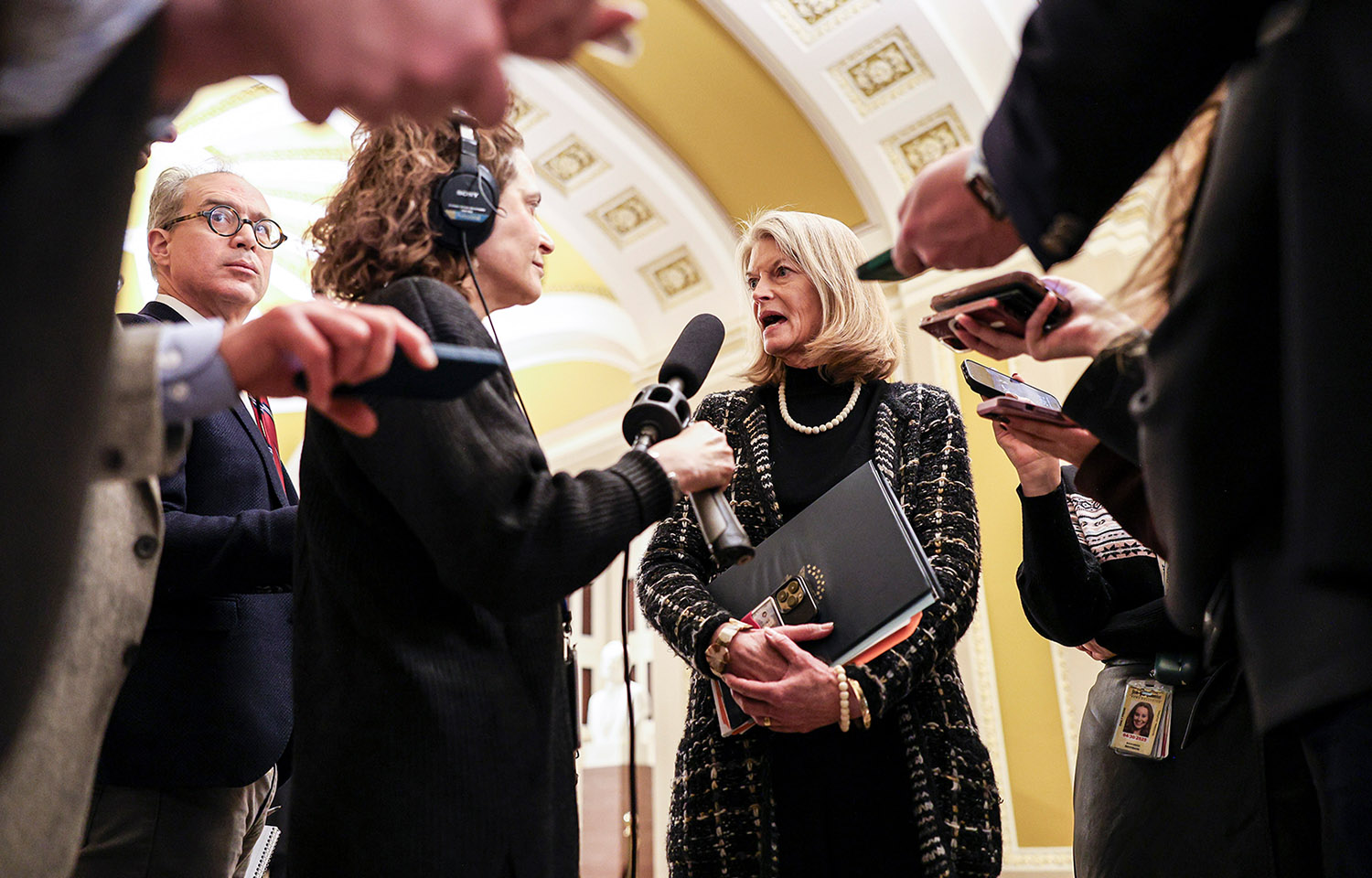
With three Republican senators voting against the final bill, U.S. Senator Lisa Murkowski (R-Alaska) proved the deciding 50th vote needed for the One Big Beautiful Bill Act to pass, and she used that leverage to secure several last-minute concessions for her constituents. Those concessions have drawn criticism from Murkowski’s fellow lawmakers.
“They chose to add more pork and subsidies for Alaska to secure that vote,” U.S. Senator Rand Paul (R-Kentucky) said, calling the last-minute changes to the bill a “bailout for Alaska at the expense of the rest of the country.”
When confronted with Paul’s remarks by an NBC News reporter, Murkowski defended her actions.
“Do I like this bill? No. I tried to take care of Alaska’s interests, but I know that in many parts of the country, there are Americans that are not going to be advantaged by this bill. I don’t like that,” Murkowski said when questioned about Paul’s comments. “But, when I saw the direction that this is going, you can either say, ‘I don’t like it,’ and not try to help my state, or you can roll up your sleeves.”
Among the last-minute revisions Murkowski secured were a new tax exemption for the Community Development Quota fishing groups in Western Alaska and an increase in a tax deduction Alaskan whaling captains can use for their expenses. Previously, those deductions had been capped at USD 10,000 (EUR 8,541); the One Big Beautiful Bill Act raised that deduction to up to USD 50,000 (EUR 42,702).
Another addition to the final bill was the inclusion of language from the Remote Seafood Employee Meals Tax Parity Act, previously introduced legislation that reinstates a tax break for seafood processors, allowing them to deduct the meals they are mandated to provide their employees working at remote facilities and on vessels. Seafood processors were previously allowed to fully deduct the cost of those meals from their taxes, but in 2017, Congress limited the deduction to just 50 percent of that cost.
Other seafood and aquaculture measures included in the initial version of the One Big Beautiful Bill Act were also signed into law.
The legislation allows aquaculture producers to apply for financial compensation from the U.S. Department of Agriculture for losses from bird predation.
The One Big Beautiful Bill Act also includes modified language from the previously introduced, but not passed into law, Access to Credit for our Rural Economy (ACRE) Act, which provides a tax deduction for interest on loans made for fisheries and aquaculture facilities.
"NFI has been working diligently to help the seafood community benefit from the type of programs the agriculture sector has enjoyed for decades," National Fisheries Institute President and CEO Lisa Wallenda Picard said in a statement. "This provision is a quintessential example of that work. Seafood, like ag, produces products that are vital to food security in this country. Meanwhile, our fishermen, producers and processors, who provide almost 1.6 million U.S. jobs, ensure the healthiest animal protein on the planet makes it to American plates, a true public health benefit. "
Families in the commercial fishing sector could also benefit from a change made to the federal student loan system, with lawmakers removing a previous requirement that farmers and business owners list their properties and equipment in filling out the Free Application for Federal Student Aid. A provision in the bill clarifies that students from commercial fishing families will not need to list fishing vessels, permits, or related assets on that application.
The One Big Beautiful Bill Act also claws back some of the NOAA funding signed into law by then-U.S. President Joe Biden in the Inflation Reduction Act (IRA), which included billions of dollars in climate-related spending. Trump’s legislation rescinds any unobligated funds allocated for investing in coastal communities and climate resilience, improving NOAA facilities – including fisheries laboratories – and advancing ocean and atmospheric research and forecasting for weather and climate. That funding was initially authorized through September 2026.
