


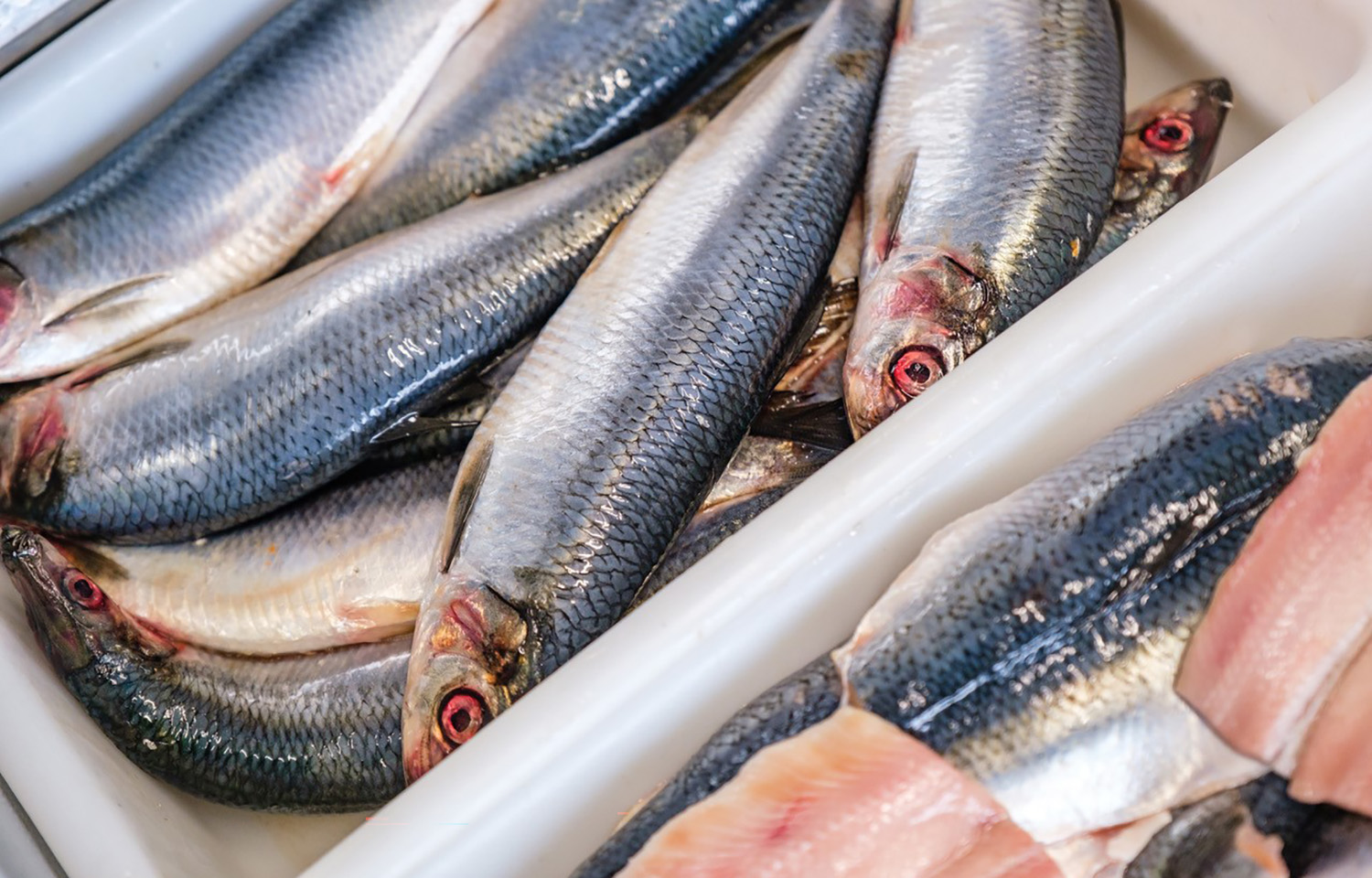
Scottish seafood, especially mackerel, has made big gains in Japan ever since the U.K. signed a free trade agreement (FTA) with the East Asian nation in late 2020.
Over four years on from the signing of that agreement, the Scottish seafood industry is continuing to work hard to ensure more species similarly make their mark in Japan, according to Seafood Scotland Head of Trade Marketing for the U.K., Asia, and the Middle East Adam Wing.
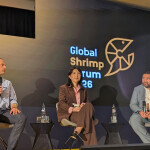
Wing recently participated in a trade mission to Osaka and Tokyo alongside Scotland Minister for Business Richard Lochhead, the goal of which was to build on the success of mackerel by expanding the presence of other Scottish species already in the Japanese market and exploring the introduction of new products.
The trade mission was just the latest initiative set out by Seafood Scotland to build a presence in the Japanese market.
The national trade and marketing body’s efforts have included placing Scottish seafood companies on a pavilion at the Japan International Seafood and Technology Expo in Tokyo for the past 10 years, as well as a marketing campaign for Scottish mackerel in collaboration with retail chain Aeon that first began in 2020.
“The relationships we have established, and the partnerships forged have been absolutely vital in bringing products like mackerel to discerning Japanese consumers. We’ve now got to a stage where the product is cementing a reputation for quality,” Wing said. “This latest promotion with Aeon is our fourth, and it has come as a result of the trade relations fostered, the retailer’s recognition of the quality and sustainability of Scottish mackerel, and the positive feedback from their consumers.”
Underpinning all of these efforts has been the U.K.-Japan FTA that was signed in October and entered into force on 1 January 2021. Under it, the duty on U.K. mackerel exports will gradually decrease until it is fully eliminated in 2033.
“We can’t underestimate how instrumental the U.K.-Japan FTA has been and will continue to be in the coming years. The gradual reduction wasn’t significant initially, but we’re at a point in time where the reduced tariff is giving us the edge over competitors,” Wing said.
Building upon the continued success in Japan, Seafood Scotland recently began exploring new opportunities in South Korea, too.
“The vast majority of seafood from Scotland is exported around the world, so our team of experts are well-versed on market challenges and, specifically, opportunities for growth,” he said. “Scotland’s reputation for sustainability and traceability is crucial in securing new export deals – especially in key European markets and increasingly in Asia, where consumers and buyers are placing greater value on provenance and responsible sourcing. It’s not just about the quality of the seafood but the transparency and care behind it. We’re building on that brand by working closely with trusted Scottish suppliers, investing in traceability technology, and telling the full story of our seafood – from sea to plate. It’s a powerful differentiator in competitive markets and one we’re proud to lead with.”
Wing further explained that with the growing volatility in global trade spurred on by U.S. tariffs, diversifying markets is essential for the Scottish seafood industry but that it would continue to prioritize its relationship with the U.S. market, as well.
“Over the years, our industry has become increasingly agile and reactive to market demands and challenges,” he said. “We value our strong trade ties with the U.S. and are confident our neighbors across the pond value the quality Scotland’s seafood industry brings to the table just as much. We also recognize, and are encouraged by, the work underway in both London and Washington, D.C., by respective governments to develop a mutually beneficial framework for future U.K.-U.S. trade, and we’ll continue to engage with those governments – and industry – in efforts to mitigate the tariffs.”
According to His Majesty's Revenue and Customs (HMRC), by 2023, Scotland was the only part of the U.K. that had recovered to exceed pre-Covid export values on seafood.
Fresh Scottish salmon is the U.K.’s largest food export, accounting for more than GBP 500 million (USD 665.4 million, EUR 585.8 million) of fish sales across the U.K. retail market each year, while some more recent HMRC data analyzed by trade organization Salmon Scotland showed that in the first four months of 2024, GBP 844 million (USD 1.1 billion, EUR 988.8 million) worth of Scottish salmon was exported – around 37 percent higher than the previous record of GBP 618 million (USD 822.4 million, EUR 724.1 million) set in 2019.
