



U.S. President Donald Trump has announced a 90-day pause on tariffs for most countries targeted by his “reciprocal” tariff action but raised tariffs on Chinese exports to 125 percent after the country promised retaliatory tariffs of its own.
Both China and Europe have announced retaliatory tariffs on goods from the U.S. as sweeping tariffs announced on 2 April by U.S. President Donald Trump were set to take effect on 9 April.
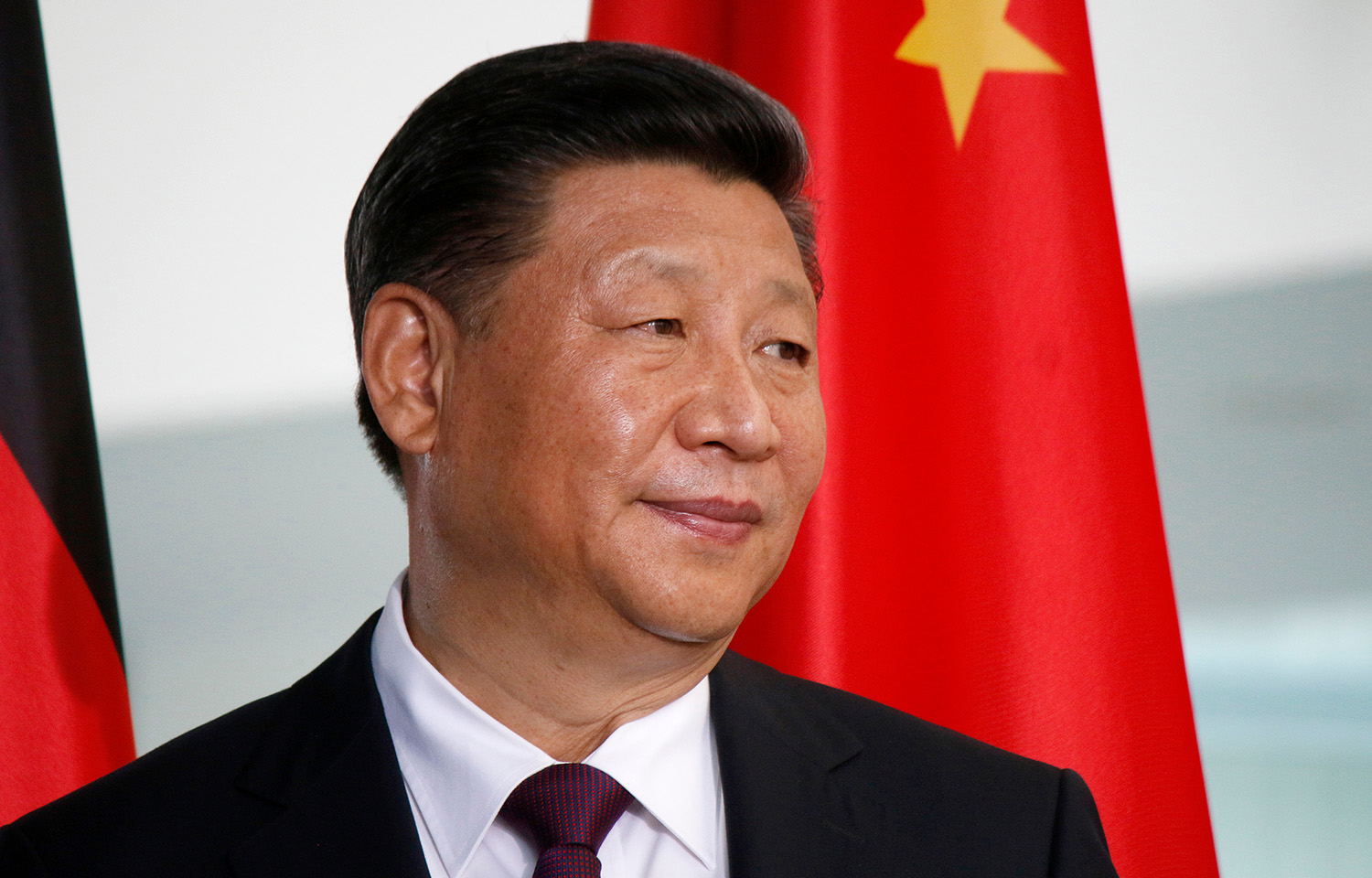
China’s Ministry of Finance announced it will increase its total tariff rate on U.S. goods to 84 percent, up from the 34 percent it announced just days before. The ministry said the additional 50 percent is in direct response to the additional 50 percent added by Trump on 8 April.
“The U.S.’s practice of escalating tariffs on China is a mistake on top of a mistake, which seriously infringes on China’s legitimate rights and interests, seriously damages the rules-based multilateral trading system, and seriously impacts the stability of the global economic order,” the Ministry of Finance said. “It is a typical example of unilateralism, protectionism, and economic bullying.”
The U.S. exported over 300 million kilograms of seafood to China in 2024, comprising USD 918 million (EUR 832 million) worth of edible seafood and USD 111 million (EUR 100 million) in non-edible products. If the tariffs are applied across all seafood products, Chinese importers would pay USD 865 million (EUR 783 million) in tariffs.
“China urges the U.S. to immediately correct its wrong practices, cancel all unilateral tariff measures against China, and properly resolve differences with China through equal dialogue on the basis of mutual respect,” the Ministry of Finance said.
Trump, in a post on his Truth Social social medial platform, said that “based on the lack of respect that China has shown to the World’s Markets” he would raise the tariffs charged to China by the U.S. to 125 percent, “effective immediately” on 9 April.
“At some point, hopefully in the near future, China will realize that the days of ripping off the U.S.A. and other Countries, is no longer sustainable or acceptable,” Trump wrote.
At the same time, he announced pauses on tariffs for countries that had not announced any retaliatory action, and White House Press Secretary Karoline Leavitt told media the tariffs for other countries would be reduced to a universal 10 percent.
Markets immediately responded to the back and forth of the trade war, with the NYTimes reporting steep drops across multiple stock markets in the U.S., Europe, and Asia and a drop in the value of the U.S. dollar, before markets jumped 7 percent following Trump’s pause.
“BE COOL! Everything is going to work out well,” Trump wrote. “The USA will be bigger and better than ever before!”
At the same time China announced its tariff escalation, the E.U. voted on 8 April to begin retaliatory measures against Trump’s first round of aluminum and steel tariffs. The bloc proposed 25 percent tariffs on a range of U.S. goods including poultry, fruit, wood, and clothing. The additional duties will enter into force and begin being collected as of 15 April, the European Commission said.
In March, European Commission President Ursula von der Leyen, when implementing the first set of retaliatory tariffs, called on the U.S. to rethink its tariff action.
“We deeply regret this measure. Tariffs are taxes. They are bad for business and even worse for consumers,” she said. “These tariffs are disrupting supply chains. They bring uncertainty for the economy. Jobs are at stake. Prices will go up – in Europe and in the United States.”
The commission’s first round of tariffs only hit a few seafood items, such as solid fractions of fish fats and oils, fish-based supplements for agricultural feed, and prepared or preserved shrimps and prawns excluding those smoked and in airtight containers. At the time, the commission also said “certain seafood” could be hit by a pack of additional tariffs to follow.
The E.U. has not yet released a full list of impacted products.
