
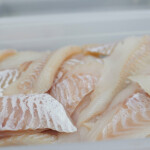



Tanzania has reduced import tariffs on finfish, except tilapia, by 80 percent as the East African country aims to fill a national seafood demand gap of approximately 300,000 metric tons.
Tanzania Finance and Economic Affairs Minister Mwigulu Nchemba said that the move to reduce import fees from USD 2.50 (EUR 2.20) to USD 0.50 (EUR 0.40) per kilogram should help “stimulate the import of fish for food consumption, as well as increase raw materials for fish processing in the country.”
University of Dar es Salaam Institute of Marine Sciences Senior Lecturer Aviti Mmochi said that the reduction would likely act as a short-term stopgap to address the widening deficit until Tanzanian investments in wild fish conservation and aquaculture begin to more dramatically increase domestic production.
“I see this reduction as a temporary measure to address the current seafood deficit. This shortage has been the main driver in recent increased government investments, especially in aquaculture,” Mmochi said. “Tanzania is also exporting other fish species to the rest of the world at fairly low export levies, and it is likely this reduction in fish import taxes will not disrupt fish supply and trade in the country’s domestic market.”
To increase its own production, Tanzania is currently implementing a 15-year fisheries sector plan for the period between 2021-22 and 2036-37 that details government strategies on the management and development of the country’s fisheries sector.
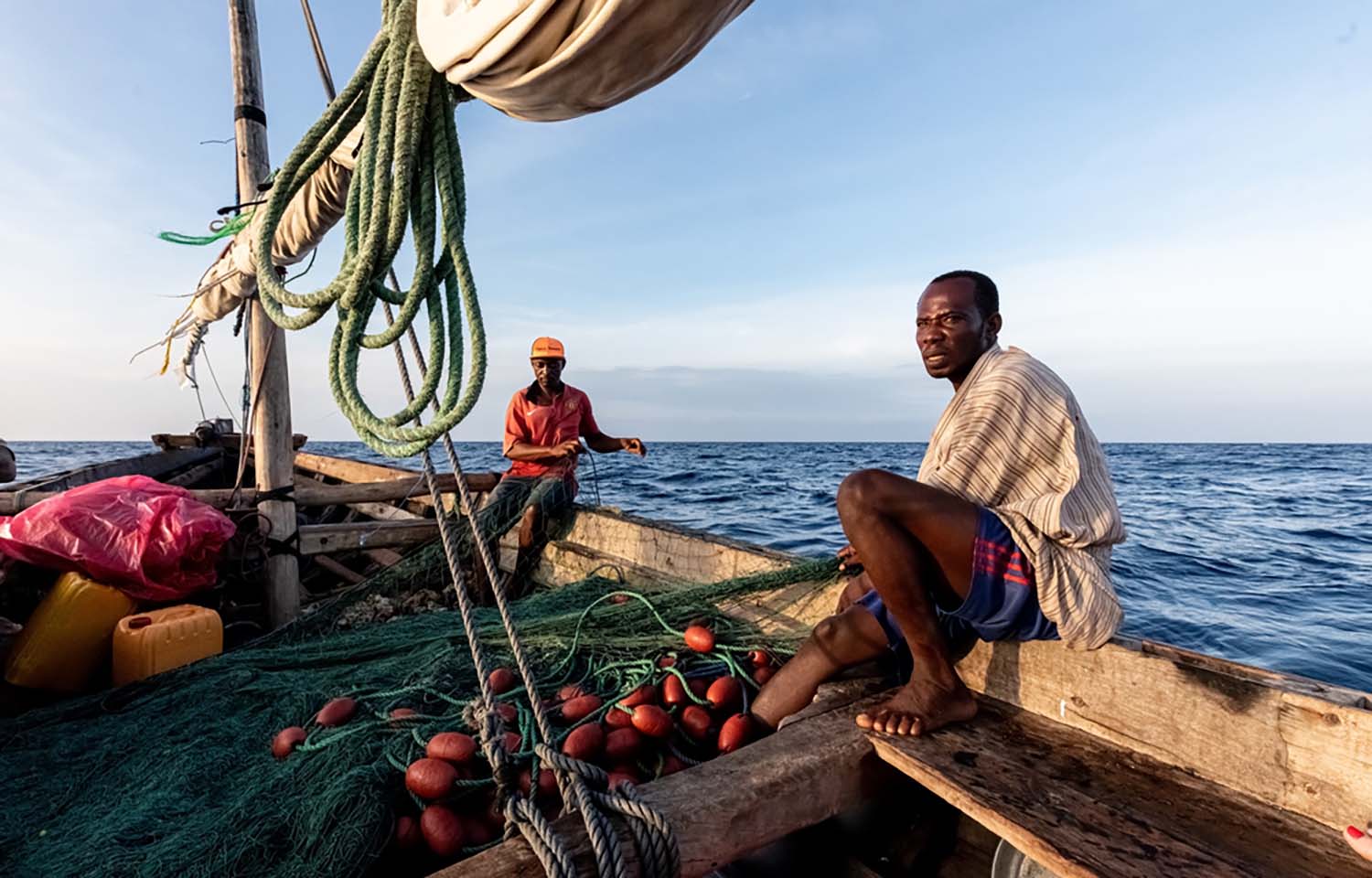
Nchemba said that since last June, Tanzania has already managed to construct the Kilwa Masoko fishing port and procured 219 modern fishing boats worth TZS 19.7 billion (USD 7.7 million EUR 6.6 million) for the nation’s fishers under the plan.
Furthermore, the minister said the Tanzanian government has distributed 248 fish cages to more than 1,200 fish farmers in lakes Victoria and Tanganyika during the past year to stimulate further fish production.
In the meantime, however, Mmochi said the reduction in import tariff rates is likely to have additional benefits, too.
“The other way I look at the reduction in import levies is that it could be one way of stabilizing high fish prices and, hence, make this nutritious source of protein affordable to as many people as possible,” Mmochi said.
Despite the fact that the supply gap has ballooned in the country, Tanzania has actually reported a steady increase in fish output over the last three decades, particularly in wild-caught fish. Increases just have not been enough to satisfy spikes in demand.
Mmochi said demand in Tanzania has also been spiking due to a surge in tourism and an increasing awareness from those tourists on the health benefits of consuming seafood.
The number of tourists visiting Tanzania increased by more than 24 percent in 2023 to 1.8 million, up from the 1.5 million who visited the country the previous year, according to Tanzania Invest, a platform for investors and businesses in Tanzania.
