






Tanzania has launched a USD 117 million (EUR 99 million) World Bank-funded fisheries and aquaculture project that aims to increase the country's seafood output and reduce the sector's post-harvest losses.
The “Scaling-Up Sustainable Marine Fisheries and Aquaculture Management” (TASFAM) project, which has been in the works since May 2025, was launched in early February. The project will roll out over five years, and according to a brief from the World Bank, it should increase Tanzania's aquaculture production from sustainable practices by 40,000 metric tons (MT) in 2028 and subsequently grow the figure to a total of 250,000 MT by the end of the project period.
At least 160,000 people in 28 coastal districts across mainland Tanzania and the island of Zanzibar are set to benefit from the project.
Around USD 14.49 million (EUR 12.3 million) of TASFAM’s funding will go toward the development of a sustainable and climate-resilient blue economy. More specifically, via technical and financial support, the country aims to improve the status of 23 marine protected areas, as well as bankroll its ecosystem restoration program in selected locations that are considered critical to healthier, more productive, and climate-resilient fisheries.
Furthermore, USD 72.23 million (EUR 61.3 million) under the project will go toward improving critical fisheries sector issues, such as bolstering marine fisheries research capabilities, collection and management of data, co-management of artisanal fisheries in partnership with local fishing communities, and supporting the entire fisheries value chain to reduce post-harvest losses and enhance quality and value.
This will be accomplished via the acquisition and use of modern and safer boats, tracking systems, and at-sea safety equipment, as well as improvements made to fish handling, processing, and marketing, according to the project's brief.
Other infrastructure projects funded through TASFAM include climate-resilient landing sites and fish markets, warehouses for anchovy storage, a sardine and small pelagic processing plant, and the rehabilitation and expansion of a wharf that will be undertaken through a public-private partnership arrangement.
“This infrastructure will complement the community-led initiatives supported through business incubation to improve the fisheries value chain in strategic sites” the project brief said.
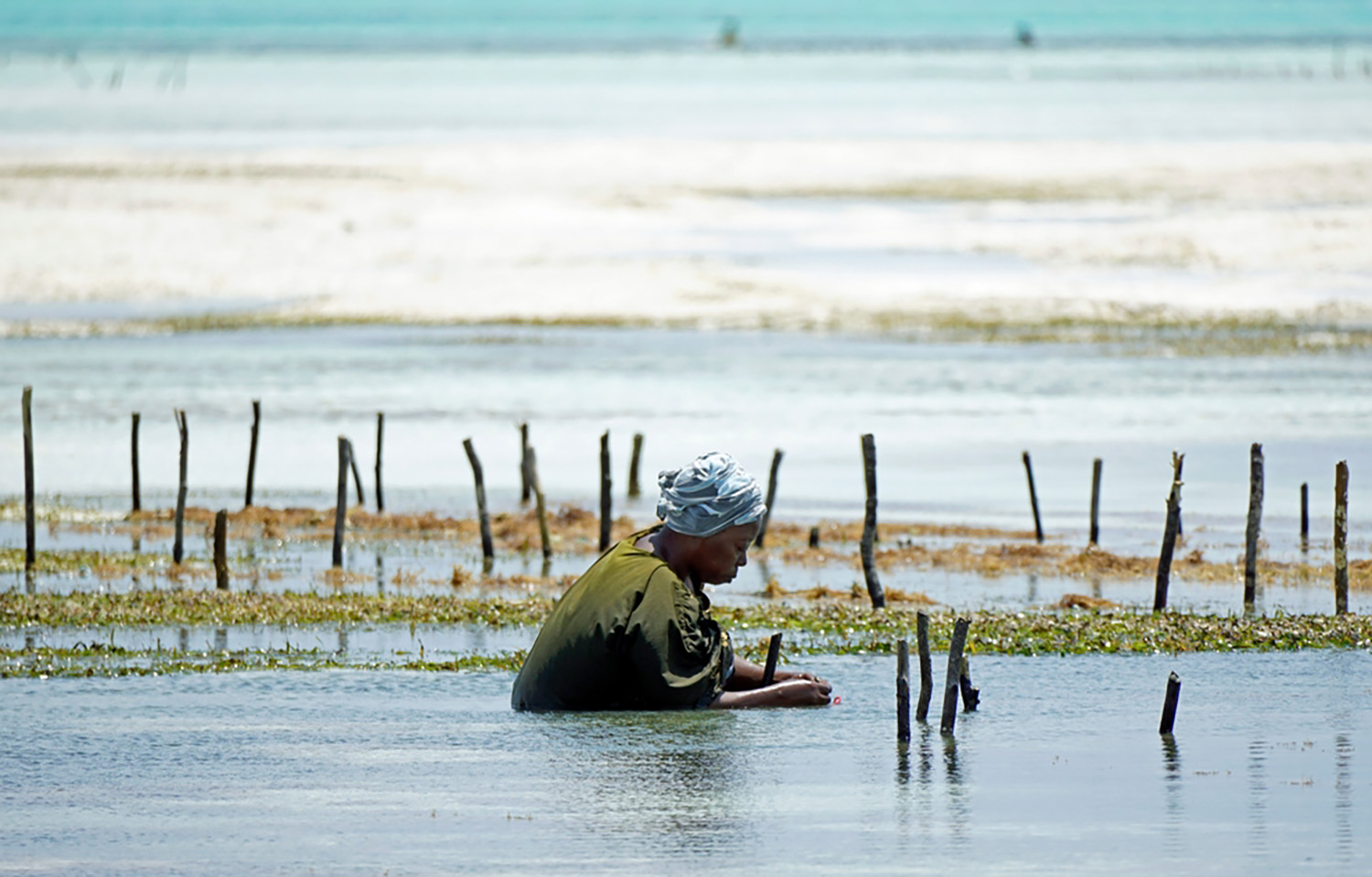
Elsewhere, Tanzania's marine aquaculture sector will be able to access USD 18.4 million (EUR 15.62 million) of the funding to boost the development of seed production, grow-out, post-harvest handling, value addition, and marketing of seaweed and sea cucumber.
Financing for the project has been provided by the World Bank through its International Development Association (IDA), an institution focused on providing grants and low-interest loans to low-income countries, as well as PROBLUE, a USD 200 million (EUR 170 million) multi-donor trust fund administered by the bank with contributions from Australia, Canada, Denmark, the European Commission, France, Germany, Iceland, Ireland, Norway, Sweden, the U.K., and the U.S.
