



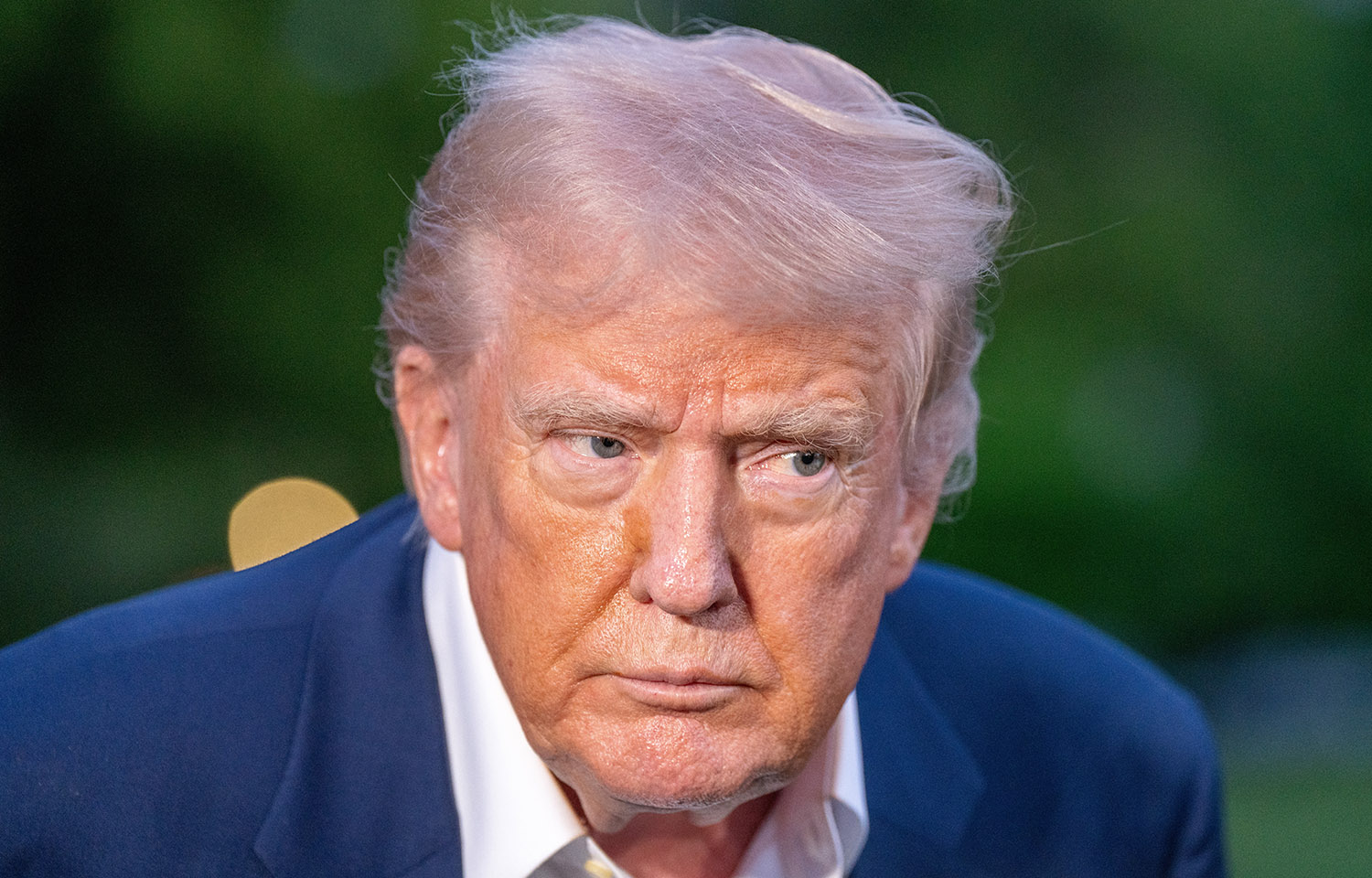
U.S. President Donald Trump has delayed implementation of a 50 percent tariff on goods from the European Union to 9 July, after first announcing they would go into effect 1 June.
Following a 25 May call with European Commission President Ursula von der Leyen, Trump announced he would be pushing back the date. When questioned by a reporter 28 May, the president said the initial threat was needed to bring Europe to the negotiating table.
“Because I gave the European Union a 50 percent tax tariff, they called up and said, ‘Please, let’s meet right now? Please, let’s meet right now?’” Trump said. “They said, ‘We’ll meet any time you want.’”
“It’s called negotiation; you set a number and you go down,” he added.
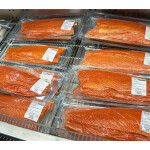
According to NOAA Fisheries data, the U.S. imported more than USD 1.3 billion (EUR 1.1 billion) worth of seafood from E.U. countries in 2024.
The European Commission is also reportedly open to extending a 2020 “mini deal” that eliminated tariffs on live E.U. lobster imports from the U.S. as part of tariff negotiations. The tariff exemption is scheduled to expire 31 July, but the Financial Times has reported that European officials are interested in extending the exemptions as part of trade negotiations with the U.S.
‘‘The continuation of the lobster agreement will depend on the outcome of ongoing negotiations, to which the E.U. remains fully committed,” European Commission trade spokesman Olof Gill told the publication.
The delay isn’t the first time Trump has quickly reversed course in his ever-expanding trade war.
After threatening – then delaying – substantial tariffs on goods from Mexico and Canada in the first several weeks of his administration, Trump vastly expanded his tariff threats on 2 April in an event he dubbed “Liberation Day.” The president rolled out a minimum 10 percent tariff on goods from every country, with some nations hit with larger “reciprocal” tariffs. Liberation Day included a 20 percent tariff for the European Union.
The ”Liberation Day” tariffs were initially slated to go into effect 9 April, but the president quickly issued a 90-day pause following a negative reaction to the tariffs. That pause is also set to expire 9 July.
Retailers have warned that the proposed tariff increases would lead to price increases.
“We’re wired for everyday low prices, but the magnitude of these increases is more than any retailer can absorb. It’s more than any supplier can absorb. So, I’m concerned that consumers are going to start seeing higher prices,” Walmart CFO John David Rainey said, per CNBC.
Trump replied by telling Walmart to “eat the tariffs.”
“Walmart should STOP trying to blame Tariffs as the reason for raising prices throughout the chain,” Trump said on his social media platform Truth Social. “Between Walmart and China they should, as is said, 'EAT THE TARIFFS,' and not charge valued customers ANYTHING. I’ll be watching, and so will your customers!!!”
Amid the uncertainty of Trump’s trade threats, the seafood sector has encouraged the administration to secure trade deals that benefit the domestic seafood sector. In separate responses to a prompt from the Office of the United States Trade Representative (USTR), the National Fisheries Institute (NFI), the At-Sea Processors Association, and the Pacific Seafood Processors Association called for ending the E.U.’s tariffs and autonomous tariff quotas on seafood products.
NFI also asked for confirmation from the E.U. that live lobster would be excluded from the bloc’s proposed live animal transport legislation.
“This regulation introduces new requirements that, if misapplied, will end transatlantic exports of live lobster and crab,” NFI stated. “Should any of that happen, trade of live lobsters between the U.S. and the E.U. will cease, depriving lobstermen of yet another major market.”
