






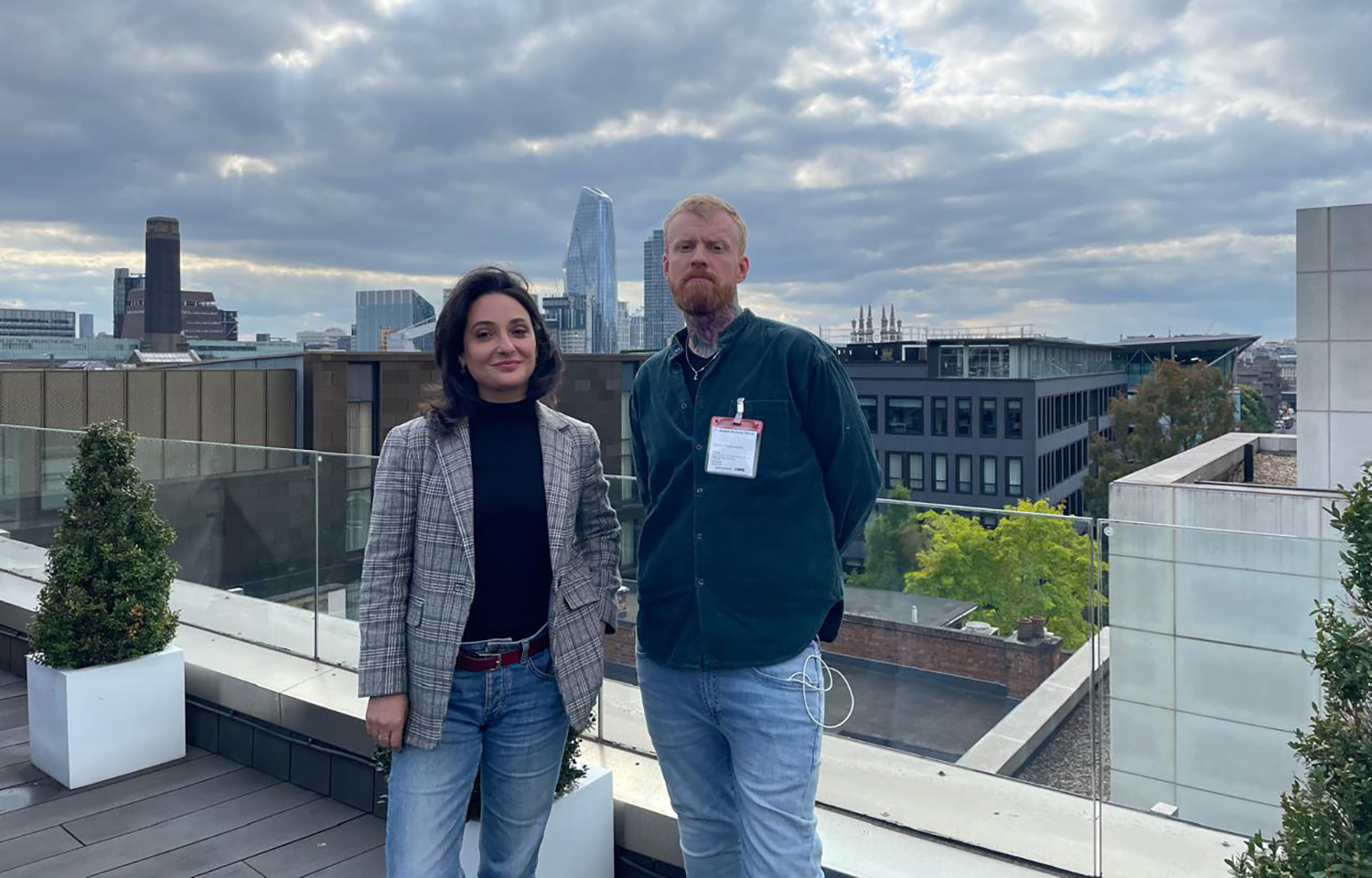
The High Court of Justice in the U.K. has ruled that an Icelandic artist must permanently take down a website he created that featured the branding of Akureyri, Iceland-based fishing and processing company Samherji.
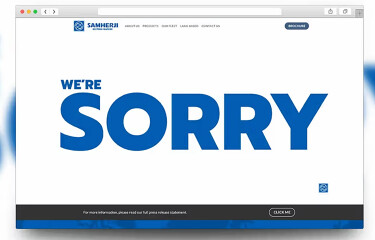
Odee Friðriksson created a fake website titled “We’re Sorry!” that made it appear that Samherji was apologizing to the Namibian people for its alleged wrongdoings during the Fishrot scandal, originally publicized in 2019, in which the company is accused of having bribed public officials to attain large fishing quotas and evade taxes.
When the website was launched in May 2023, Samherji sought legal action to force Friðriksson to take down the website. The high court issued an interim judgment that forced Friðriksson to temporarily take down the site, claiming it was causing harm to Samherji’s brand.
The Business and Property Courts of England and Wales at the High Court of Justice has now upheld that decision, forcing Friðriksson to permanently take down the site. The court also refused to send the case to trial, not accepting the defense’s argument that it constituted a case of freedom of speech.
Friðriksson said that regardless of the judgment, he is happy with the impact his art has had.
“There are people all over the world who suffer the consequences of Samherji’s actions in Namibia and other countries,” Friðriksson told SeafoodSource. “It will live on for a long time after this, even after the judgment, because it has educational, cultural, and academic value. It lives in society, and it's in public discussion; people talk about it, and it brings forward very necessary commentary and puts a spotlight on corporate responsibility and freedom of expression and art.”
The artist said that his artwork became a bigger deal than it ever would have because of the court case, elevating the project from solely being about Samherji’s alleged actions in Namibia to now becoming part of a wider debate about freedom of expression.
“The court case lends more artistic and societal value to the artwork because it creates discussion,” he said.
Though he said he is happy with the impact his work has had, he said he is worried the judgment will stifle other artists in their ability to criticize big business.
“The chilling effect can affect other people who would like to criticize big entities or corporations but can't because they're afraid of getting sued,” he said.
The summary judgment published on 15 November did not contain specifics of possible damages Friðriksson may face.
Instead, the court will hold a hearing in December, where it will be decided if the artist will have to pay damages to Samherji. The judge wrote in the summary that he hoped that the “costs of an inquiry could be avoided by the acceptance by the claimant of a small sum.”
Samherji released a press release following the judgment, stating that the firm is satisfied with the outcome of the case.
"We are, of course, satisfied with the result. We were forced to take legal action to protect our trademark when all other lenient resolutions were rejected. The ruling clearly distinguishes between legitimate artistic expression and the misuse of a registered trademark,” Samherji said in a press release.
Samherji did not respond to SeafoodSource on whether it would seek damages.
Friðriksson's lawyer, Andra Matei, who is the founding director of French law firm Avant Garde Lawyers, said that the decision was disappointing but strengthened the firm’s resolve to continue fighting for cases like Friðriksson's.
"We never expected this to be easy, or simple. We are up against corporations with millions and millions of dollars and legal systems that have historically not paid attention to the crucial role that artists, such as [Fríðrikssom], play in the strengthening of democracies,” she said. “This is why - while we are disappointed, this decision has only furthered our resolve to take this fight all the way to the very end,” she said.
Matei said Avant Garde Lawyers has not decided if it will appeal the decision.
