




The U.K. Seafood Federation (UKSF), which launched in January of this year and aims to promote initiatives that encourage the British public to eat more fish and shellfish, recently held its inaugural conference, which focused on addressing drops in national seafood consumption.
The conference, “How to turn the dial on U.K. seafood consumption,” emphasized the importance of consistent, industry-wide messaging in establishing a campaign to achieve that lofty goal.
However, at the same time, presenters stressed that those efforts may be limited if they do not receive U.K. government support, such as making seafood a cornerstone of its forthcoming national food strategy.
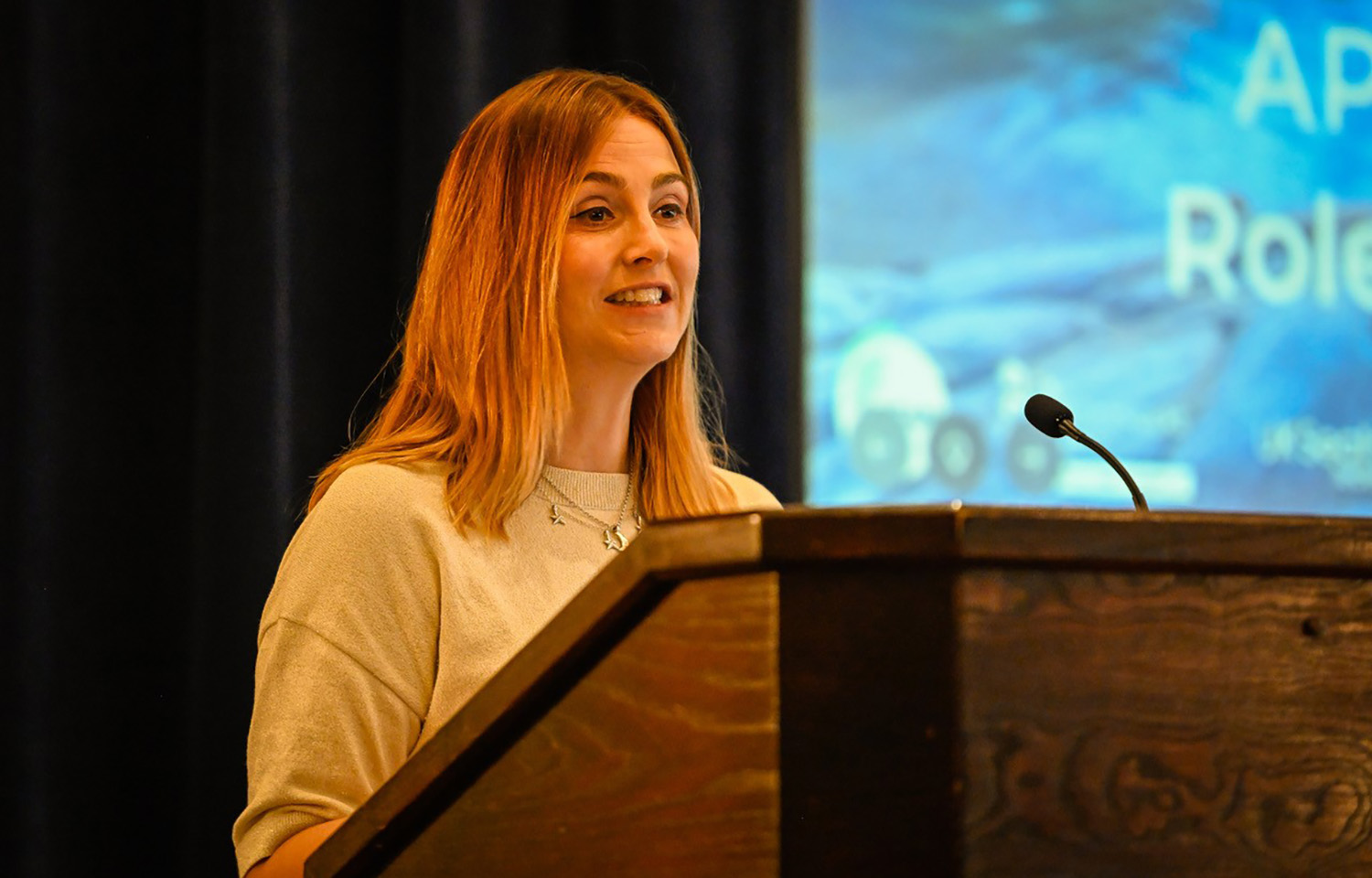
Speaking at the conference, MP Melanie Onn, who represents the coastal areas of Great Grimsby and Cleethorpes and is the co-chair of the All Party Parliamentary Group (APPG) on Fisheries, insisted that as a “low-carbon, high-nutrient powerhouse,” seafood should be an integral part of the U.K. government’s vision for creating a strong, fair, and sustainable food system.
“In the context of dietary and health-focused changes, there’s an amazing opportunity to promote the fact that eating fish regularly reduces the risk of heart disease and many other conditions that place daily pressure on our National Health Service [NHS]. Seafood also provides essential nutrients such as omega-3s and iodine, which are especially valuable for young people and children,” she said. “Despite all this, seafood consumption in the U.K. is in decline. Most people only eat about half the amount recommended by the NHS, and younger generations [consume] even less. While the government can't offer all of the solutions. I believe it can have a critical role to play. I think that it can have seafood as part of its plan in schools. It is possible. It is challenging, but it is possible.”
Besides placing a heavy focus on the health of schoolchildren, Onn said the government should institute a similar seafood strategy in hospitals, with seafood provided to patients as part of their recovery back to health.
Offering her inside knowledge to governmental conversations, she said that giving better support to public sector catering is something that is being evaluated at a Cabinet Office level. Additionally, the APPG is in the process of developing a National Fisheries Action Plan, with the intention that it will serve as a roadmap for a “vibrant, sustainable seafood sector” that contributes to public health, economic growth, and environmental resilience.
“The plan will set out how government, industry, and communities can work together more coherently so seafood policy doesn't fall through the cracks and the sector can reach its full potential,” she said. “If we are serious about building a healthier nation and stronger and more secure food system, seafood has to be at the heart of that vision. It offers low-carbon nutrition, good jobs, and proud connections between the food that we eat and the communities that produce it. In Grimsby, we have always known the value of seafood; the challenge now is to make sure that the rest of the country does, too.”
With the U.K. Government in the process of developing its new food strategy, based on the “Good Food Cycle” framework document published in July, it’s a particularly crucial time for the seafood industry to be explicit in its requests at a national policy level, Department for Environment, Food, and Rural Affairs (Defra) Agri-Food Chain Manager James LePage said at the conference.
“What we really need are specifics so we can take them to government officials. Give us some numbers and some precise things to say, tying into the health argument or the sustainability side of things,” he said. “A lot of things that will drive growth in the right ways will come from external pressures – whether it’s pressure from consumers or from the supply chain. Put pressure on the government and stakeholders. Make the voice of fisheries louder.”
The government’s intention is to have an implementation plan for the new food strategy in place in early 2026, and LePage highlighted that the policy aims to fully transform the food system – making it healthier, more affordable, more sustainable, and more resilient while also meeting new public environmental and health goals.
“What we're after is ‘systems thinking’ and tackling interconnected challenges around issues like obesity, food insecurity, and the environment,” he said.
Three specific systemic challenges that have been identified and that the strategy aims to mitigate are:
- The Junk Food Cycle – whereby obesity-related poor health conditions are costing the NHS over GBP 11.4 billion (USD 15.3 billion, EUR 13.1 billion) a year;
- The Invisibility of Nature – which focuses on biodiversity loss and environmental degradation that equates to systemic, chronic risks, as well as the U.K.’s current food system, including imports, accounting for 38 percent of all the country’s greenhouse gas emissions; and
- The Resilience Gap – which centers on how the U.K.’s food self-sufficiency rate stands at 77 percent for the food it can grow and 65 percent for all food but sits much lower in food sectors that contribute to healthy diets such as fresh fruits, vegetables, and fish.
“These are really big challenges that our food system has got to address,” LePage said, acknowledging that food businesses are also contending with rising labor and energy costs, as well as lower profit margins affecting both operations and long-term investments. “In government, we know that in a good food system, we need to provide a transparent, stable, and predictable policy environment. There are some massive opportunities in business, while healthier diets can make a big difference both to the cost of the NHS but also to our own productivity and sense of well-being. There are also potential improvements in productivity innovation, AI, automated planning systems, robotics – a whole load of things to make our food processing more efficient and effective. There are things we can do for our systemic resilience – investment in food system infrastructure and things we can do to invest in our communities, including rural and coastal communities – reconnecting people to where their food comes from.”
