



Massive funding cuts that U.S. President Donald Trump’s administration has made to the U.S. Department of Agriculture’s (USDA) Local Food Purchase Assistance (LFPA) Cooperative Program are cutting off traditionally reliable buyers of the nation’s seafood.
The LFPA cuts amount to an estimated USD 1.13 billion (EUR 1 billion) and are hampering the ability of food banks across the nation to feed local populations with safe, fresh food options, including local seafood.
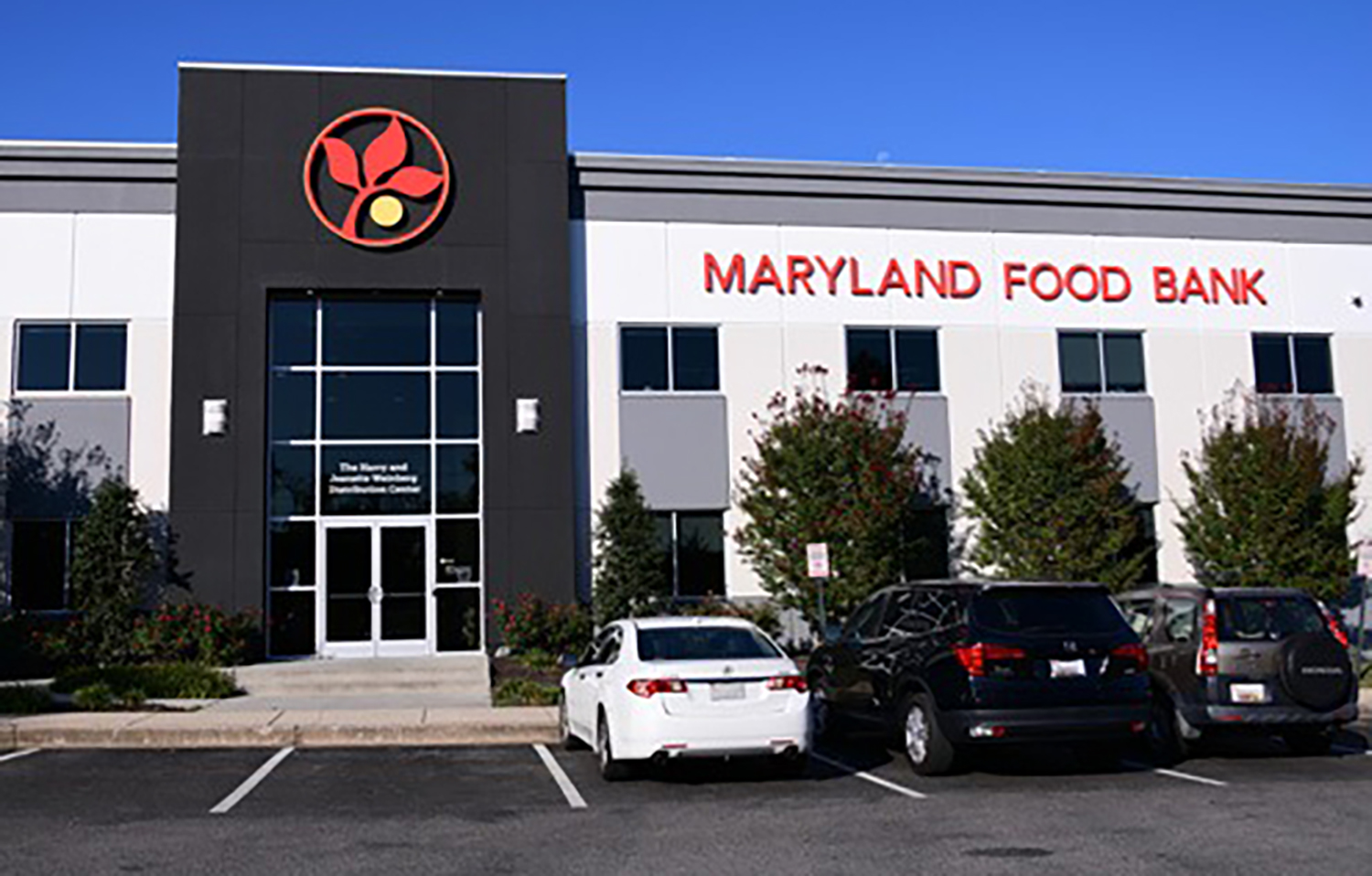
For instance, the Maryland Food Bank (MFB) lost USD 2.8 million (EUR 2.5 million) in LFPA funding, which it would have received this December.
“[The loss] is a concerning step backward for our food system in Maryland. This funding cut will reduce access to fresh produce, protein, dairy, eggs, and seafood for the nearly 2 million people facing [food insecurity],” MFB Chief Operating Officer Meg Kimmel told SeafoodSource.
The LFPA program has been a reliable purchaser of blue catfish in Maryland, an invasive species in the Chesapeake Bay that provides a quality, nutritious protein to food-insecure locals, Kimmel said. These funding cuts may also harm plans to start a commercial fishery for the species that recent legislation could help implement.
“Through [federal funding], the MFB has purchased nearly 86,000 pounds of catfish. We believe this program is a win-win for our neighbors and for watermen and seafood producers and are calling to see it reinstated,” Kimmel said.
Overall, in 2023 and 2024, LFPA funds helped supply 5.5 million meals for food-insecure families across Maryland, Kimmel explained.
Across the nation, the USDA’s funding cuts to state food programs will make it even harder for Americans to access domestic seafood and “will prevent our country’s most vulnerable populations from getting the nutritious seafood they need to be healthy and thrive,” Elizabeth Dubovsky, a fisheries consultant and executive committee member of the Local Catch Network – a community of seafood harvesters, technical assistance providers, organizers, and researchers – told SeafoodSource.
“These cuts will also add financial strain on the seafood industry at a time when many seafood harvesters and businesses are struggling to make ends meet. While the seafood sector is no stranger to navigating disruptions and uncertainty, the cumulative effects of federal funding freezes, federal agency staffing cuts, and tariffs could push many to the brink – if not over the edge,” Dubovsky said.
Dubovsky, like Kimmel, is calling on U.S. Congress to restore funding for “these critical programs and adopt policies that will keep America’s hardworking fishing families afloat so that they can continue to provide our country with some of the healthiest, most sustainable protein in the world.”
The cuts have made other states’ food banks, seafood stakeholders, and more wary of possible cuts to additional programs around the nation.
The Food Bank of Alaska (FBA) doesn't receive federal funding directly to purchase fish, but potential funding cuts to The Emergency Food Assistance Program (TEFAP) could impact purchases of Alaska seafood, Food Bank of Alaska Chief Executive Officer Cara Durr told SeafoodSource.
FBA does not participate in the LFPA program, but it receives TEFAP funding through a few different sources including entitlement commodities, Commodity Credit Corporation (CCC) purchases, and Section 32/bonus buy purchases, which are USDA procurements of commodities like fruits, vegetables, meats, and seafood that aim to support domestic food assistance programs and address market oversupply.
Some CCC purchases have recently been canceled, but the USDA announced an additional investment of USD 261 million (EUR 236 million) in Section 32 purchases of Alaska seafood.
These mixed signals coming out of the federal government have left Durr uncertain about the future.
Though the FBA is not seeing “direct impacts” to Alaskan seafood producers and processors currently, it is monitoring potential TEFAP cuts closely, Durr said.
The seafood industry is also watching for impacts of funding cuts for the Local Food for Schools Cooperative Agreement program and the USDA Regional Food Business Centers program, along with potential cuts to the Saltonstall-Kennedy Grant and other federal programs that reliably purchase seafood nationwide.
In the past, the U.S. seafood industry has consistently praised the federal government’s steady purchases of seafood across the country.
“We appreciate the quick response by the USDA to address the needs of the seafood industry and, at the same time, food-insecure Americans,” Alaska Seafood Marketing Institute Global Food Aid Director Bruce Schactler said in a statement regarding a January USDA purchase of Alaska pollock. “These nutritious seafood products, which may include fillet portions, fish sticks, and nuggets, will strengthen the nutrition profile of USDA offerings as recommended in the Dietary Guidelines for Americans while at the same time helping to address the extreme market challenges that are so present and causing so much disruption across the entire Alaska seafood industry.
