




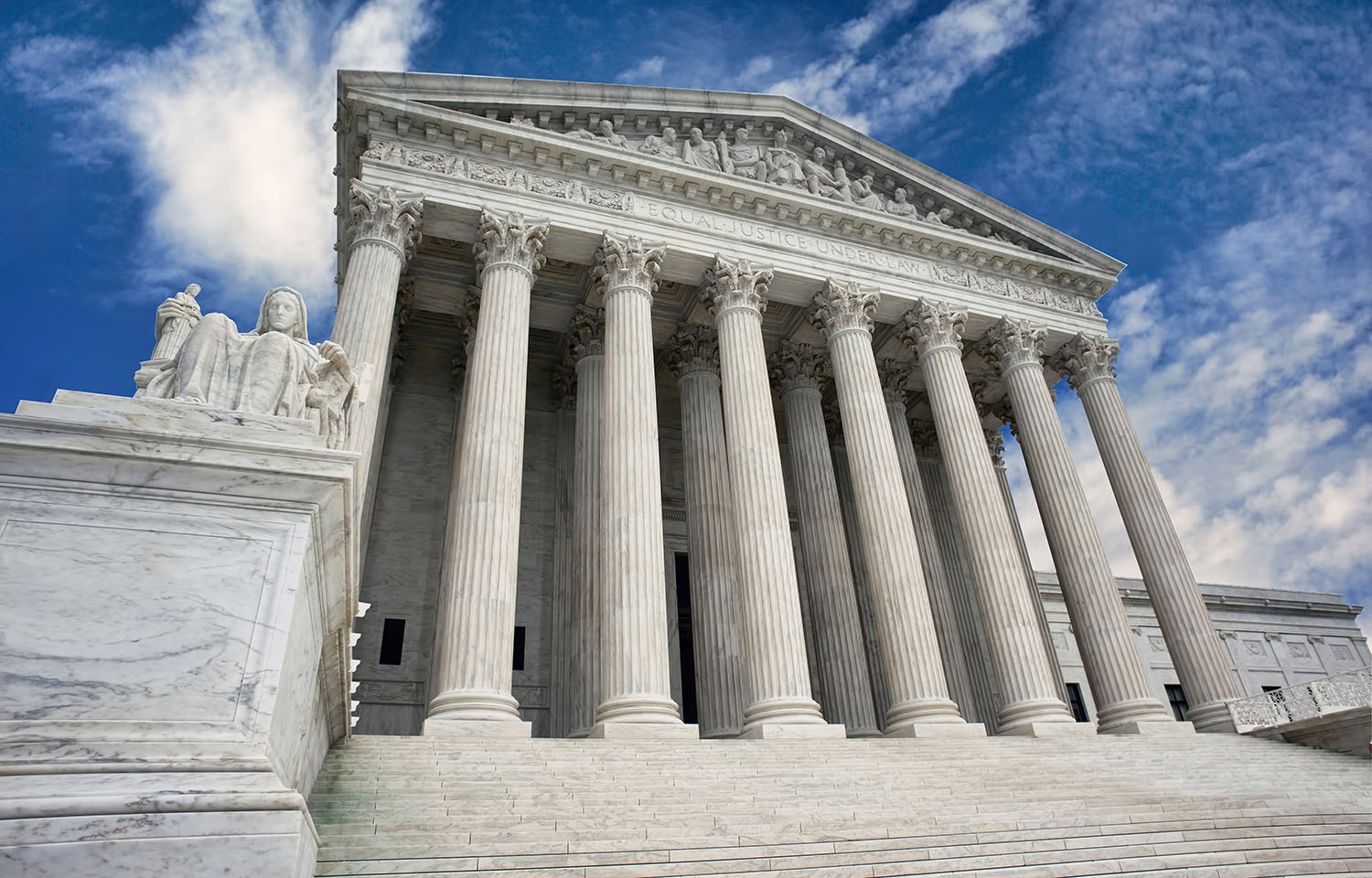
The U.S. Supreme Court has denied to hear a case that targeted the 2018 Section 301 tariffs imposed by U.S. President Donald Trump during his first term.
Trump issued a series of Section 301 tariffs targeting Chinese goods, including seafood, in 2018, kicking off a trade war between the two countries. Those tariffs, launched as a means of combating alleged intellectual property theft, were maintained through the administration of U.S. President Joe Biden and currently still stand eight years later.
HMTX Industries and its affiliated companies filed a lawsuit in 2020 seeking to end and get refunds on the Section 301 tariffs against Chinese goods. That initial lawsuit set off thousands of others, and the U.S. Court of International Trade (CIT) ordered the United States Trade Representative (USTR) to take a second look at the tariffs but did not order them removed.
In 2023, the CIT determined that the tariff actions by the USTR was within the scope of its authority and ruled against HMTX Industries, allowing the Section 301 tariffs to be sustained. The plaintiffs appealed that ruling and were ultimately unsuccessful.
The appeals court found that the relevant statutes authorized the USTR to take escalatory modified trade actions, and because its efforts met the requirements of the Administrative Procedure Act, it was within its authority to issue the initial Section 301 tariffs and the further escalations that came amid the trade war with China.
Following the loss at the appeals court, HMTX filed a petition for a writ of certiorari in an attempt to plead its case to the U.S. Supreme Court. On 15 June, the court denied that petition without comment, ending its attempt to repeal the tariffs and exhausting all attempts to reverse those tariffs and receive refunds.
With that decision, thousands of other cases that were making similar arguments will likely be dismissed.
That decision could have implications in the Trump administration’s latest efforts to implement tariffs on foreign goods.
In February, the U.S. Supreme Court ruled Trump’s use of the International Emergency Economic Powers Act (IEEPA) was illegal, invalidating those tariffs. As a result of the ruling, U.S. Customs and Border Protection is now undertaking a lengthy refund process, which the Trump administration has continued to resist.
In the wake of that court decision, the Trump administration has vowed to find new avenues to tariff foreign goods, and it recently announced a new set of Section 301 tariffs against multiple major seafood trade partners alleging issues related to forced labor in those countries. U.S. lawmakers have also already started the process of pushing for Section 301 tariffs on goods like seafood. Both efforts, if successful, could face uphill court battles in the wake of the latest U.S. Supreme Court decision on the HMTX Industries case.
