



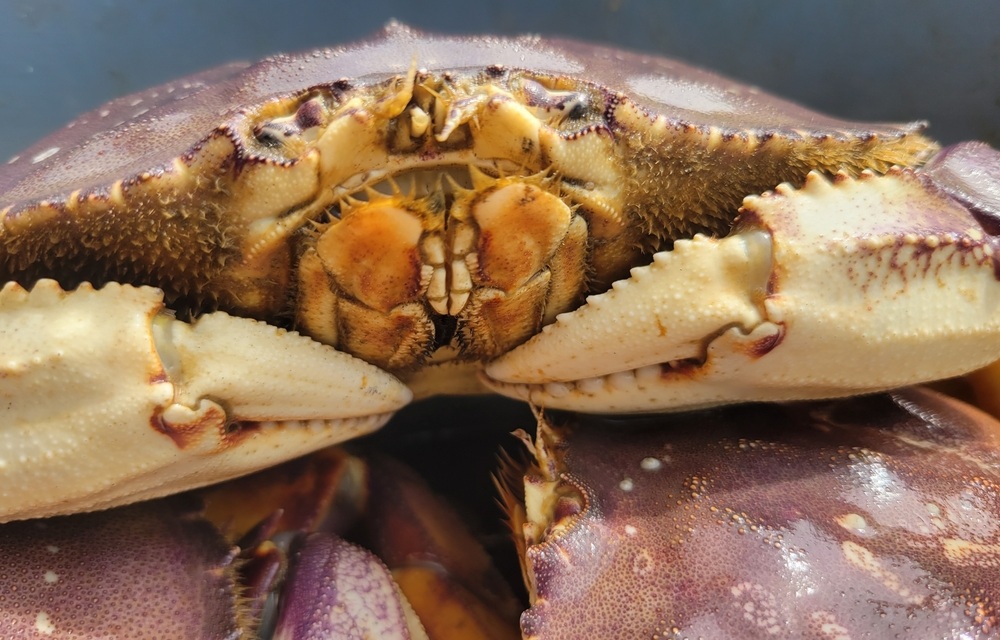
The U.S. states of Washington and Oregon are set to open more areas of the Pacific Northwest coast to Dungeness crab fishing in the coming weeks as testing shows more crabs have surpassed the minimum meat recovery threshold.
Initially set to kick off in early December, both states opted to delay their season opening after preseason testing in Long Beach, Washington, showed that crabs had not reached the 23 percent meat fill requirement for commercial harvesting. Though Oregon kicked off the season for the Southern portion of its coast – from Cape Falcon South to the California border – on 16 December, it kept its Northern coast closed in coordination with Washington regulators.
Now, regulators have determined that meat yields have increased enough to allow commercial harvesting along much of the Pacific Northwest coast.
Washington will open up the southernmost portion of its coast – from Klipsan Beach south to the Oregon border – on 31 December, with a presoak period beginning 28 December. The area from Klipsan Beach north to the Queets River will open a few days later on 4 January, with a presoak period beginning 1 January.
The area north of Queets River will remain closed to commercial harvesting as part of co-management of the fishery with the Quileute Tribe, who are traditionally given time to harvest crabs before commercial fishers can access the area.
Oregon will open up the rest of its waters to Dungeness crab harvesting on 31 December, meaning fishers can begin setting baited traps 28 December.
Oregon’s commercial Dungeness crab harvesters remain under a fleet advisory, with the Oregon Department of Fish and Wildlife warning fishers to avoid setting traps in areas where whales are present to reduce the risk of entanglements.
The advisory comes after an entangled humpback whale was stranded on an Oregon beach in November. Responders ultimately euthanized the endangered juvenile whale, and officials “strongly suspect” that the whale was entangled in derelict crabbing gear. That high-profile incident, as well as a string of entanglements earlier in 2025, led conservation groups to petition Oregon regulators to take stronger actions to reduce entanglements.
