






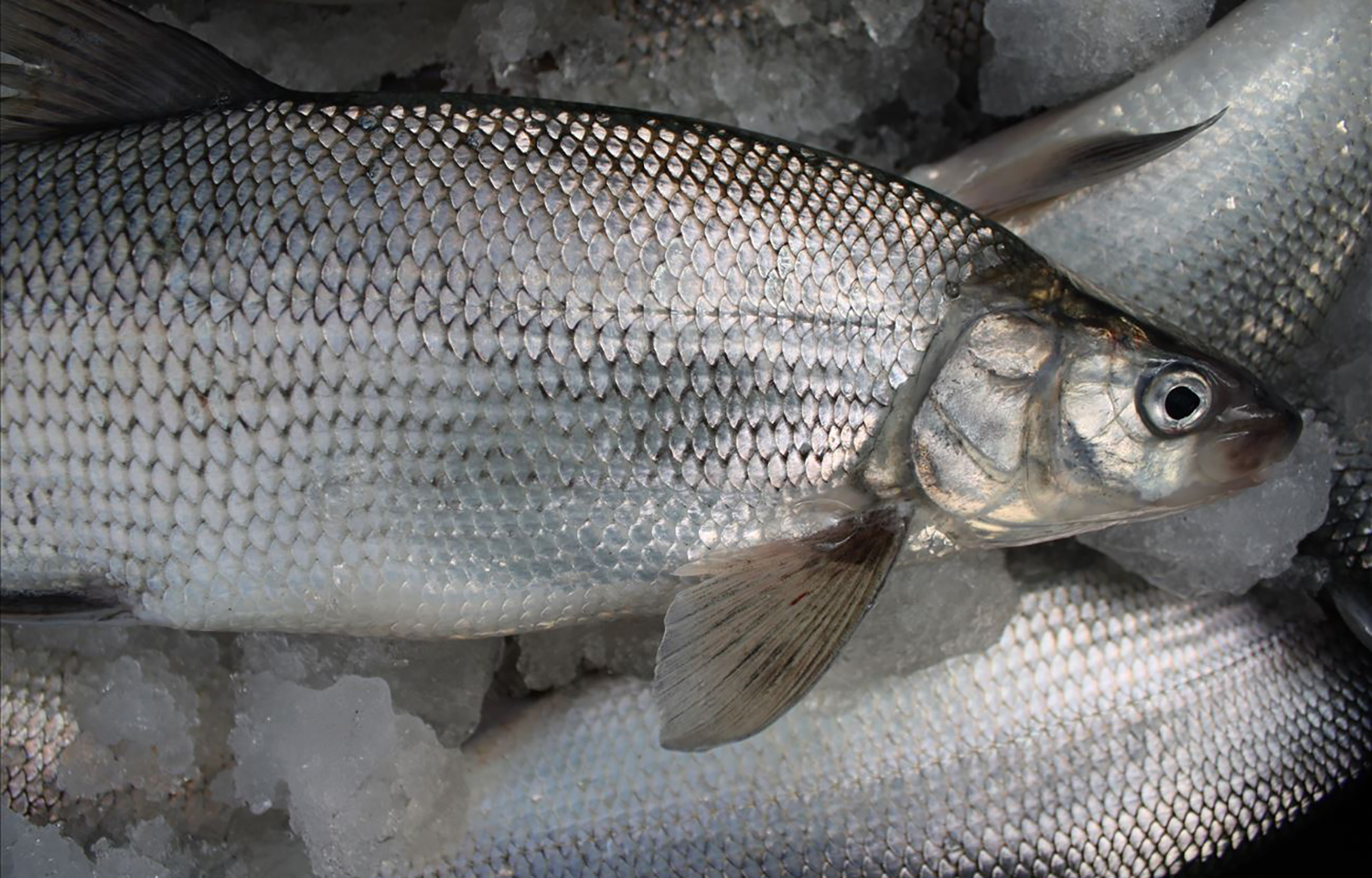
The Department of Natural Resources (DNR) in the U.S. state of Wisconsin has proposed a major reduction to the commercial harvest of whitefish from Lake Michigan following steep population declines over the past two decades.
According to Wisconsin Public Radio, the DNR estimates the lake’s whitefish population, which once totaled more than 60 million fish aged 3 years or older, has dropped by at least 75 percent.
To address the decline, the agency has put forth a proposal to cut commercial whitefish quota from about 874,000 pounds to just under 535,000 pounds for 2026, which would mark a nearly 40 percent reduction.
“It’s ultimately about keeping the fisheries sustainable and keeping the population sustainable based on what is happening in Lake Michigan right now,” DNR Senior Fisheries Biologist Scott Hansen said.
The public comment period for the proposal ran through 7 November, and a final recommendation is expected to go before the DNR board in December.
The Lake Michigan whitefish fishery, valued at roughly USD 2.8 million (EUR 2.4 million) last year, has long been the most valuable commercial fishery on Lake Michigan, but harvests have fallen sharply from a peak of about 2 million pounds in 1999 to only 150,000 pounds in 2024 – well below the quota.
Both regulators and fishermen have pointed to invasive zebra and quagga mussels as key drivers of the stock’s collapse.
Todd Stuth, who, with his wife Carin, operates Baileys Harbor Fish Company in Door County, Wisconsin, told Wisconsin Public Radio the mussels have filtered out many of the organisms young whitefish rely on.
“It’s not a fishing impact,” Stuth said. “It’s basically a complete ecologically based decline in whitefish stocks.”
For the fishermen on Lake Michigan, which is the world’s fifth-largest lake by area, sustainability remains the top priority, according to Stuth.
“At some point, you have to realize that you have to do some things that are not always favorable in terms of your business but are favorable in terms of the resource,” he said. “Sustainability is the key to any long-lasting commercial fishery.”
