






The 2017 total first-sales value of Scottish fish and shellfish landings decreased from the previous year’s record level by GBP 2.6 million (USD 3.5 million, EUR 3 million), or one percent, to GBP 559 million (USD 747 million, EUR 637.6 million), despite a 10,600 metric ton (MT), or or two percent, spike in the fleet’s total catch, according to the latest statistics published by the Scottish government.
In volume terms, Scotland’s total catch reached 464,000 MT, with rises in the pelagic and demersal landings of two percent and six percent, respectively.
Provisional statistics from Scotland’s Chief Statistician confirmed that mackerel continued to be the most valuable stock, accounting for GBP 162 million (USD 216.5 million, EUR 184.8 million) of Scottish landings, or 29 percent of the total value. However, Scottish registered vessels landed five percent less mackerel by weight and four percent less by value than they did in 2016.
Of the total weight of mackerel landed by Scottish vessels, 48 percent was landed into Scotland (51 percent of tonnage in 2016) and 52 percent was landed abroad. The average price of mackerel landed abroad decreased four percent to GBP 894 (USD 1,195, EUR 1,019) per MT in 2017, whereas the average price of mackerel landed into Scotland increased six percent to GBP 907 (USD 1,212, EUR 1,034) per MT.
In 2017, the weight of herring landed by Scottish vessels decreased by 14 percent to 56,300 MT, and the value decreased by 45 percent to GBP 24 million (USD 32.1 million, EUR 27.4 million). The average price dropped by 36 percent to GBP 427 (USD 571, EUR 487) per MT.
With regard to demersal landings, the value of Scotland’s haddock landings increased by 13 percent to GBP 42 million (USD 56.1 million, EUR 47.9 million) last year, with a 14 percent increase in average price to GBP 1,512 (USD 2,020, EUR 1,724) per MT. The haddock tonnage decreased by one percent to 27,900 MT.
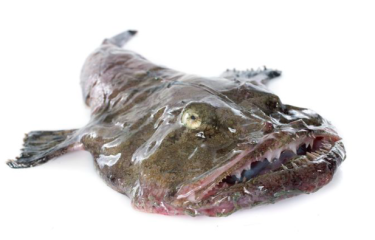
Monkfish landings increased in value by four percent to GBP 36 million (USD 48.1 million, EUR 41 million), driven by a one percent increase in average price to GBP 2,778 (USD 3,710, EUR 3,166) per MT and a three percent increase in volume to 13,100 MT. The cod volume landed in 2017 was 13 percent higher than in 2016 at 14,700 MT, with the value increasing by 24 percent to GBP 34 million (USD 45.4 million, EUR 38.8 million) and the average price up by 10 percent to GBP 2,320 (USD 3,098, EUR 2,644) per MT.
Nephrops/langoustines were the most valuable shellfish stock, accounting for 42 percent of shellfish landings, and overall the second-most valuable stock to the Scottish fleet. In 2017, the total value of nephrops was GBP 74 million (USD 98.8 million, EUR 84.3 million), which was three percent lower than for 2016. There was a two percent increase in the tonnage landed to 21,500 MT but a 5 percent decrease in average price to GBP 3,460 (USD 4,620, EUR 3,943) per MT.
The increase in value of the shellfish sector was largely driven by the increased value of squid, scallops, edible crabs and lobsters.
The number of active Scottish registered fishing vessels in 2017 was 2,068 – an increase of 41 vessels from 2016, while the overall number of fishermen employed on these vessels was reported at 4,799, which was down slightly on the previous year.
