


As the United Kingdom prepares to leave the European Union and fisheries talks get underway to try to secure the country a larger share of fish resources post-Brexit, the Marine Conservation Society said now is the time to swap the traditional U.K. top five favorite fish for new seafood choices.
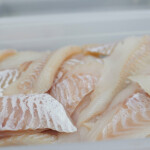
“We’re suggesting that dab, hake, herring, mussels and mackerel become the new cod, haddock, salmon, prawns and tuna. By choosing from a wider range we’ll be putting far less stress on individual fisheries,” said Bernadette Clarke, program manager of the MCS Good Fish Guide.
Clarke has suggested a post-Brexit Top 10, comprising:
• Dab, seine netted in the North Sea
• Marine Stewardship Council (MSC) certified hake from Cornwall
• MSC certified herring from Irish, Celtic and North Seas, SW Ireland and Eastern English Channel
• Mackerel, handlined in the southwest of England, and MINSA (Mackerel Industry Northern Sustainability Alliance) Northeast Atlantic MSC certified
• Megrim from the northern North Sea and west of Scotland
• U.K. rope-grown mussels
• Brown crab from Devon Inshore Potting Area, Western Channel
• Queen scallops from the Fal Estuary, fished by traditional sail and oar method
• Pollock handlined from the Celtic Sea
• Dover sole from the Western Channel
MCS said that there are some “very good reasons” for sourcing local seafood products.
Aside from complicated economics: lower food miles and carbon footprint; fresh fish can be tastier and better quality; good for the local economy; more choices; better traceability so you get what you pay for, it said.
“We are currently exporting around 75 percent of fish caught and landed in the U.K., but we’re the ninth largest importer of fish in the world with around 70 percent of the seafood value entering the U.K. fish supply chain coming from overseas. By choosing more sustainable sources and keeping it local it will help reduce wasting wild-caught fish that are discarded dead because they have less value,” said Clarke.
In MCS’s latest Good Fish Guide updates, joining the green-rated Best Choice list are megrim from Rockall, northern North Sea and west of Scotland; North Sea line and trap-caught or U.K. farmed turbot; line-caught pollack from the Celtic Sea; lemon sole, seine netted from the North Sea and eastern English Channel; and queen scallops, traditionally caught in the Fal Estuary in Cornwall.
MSC-certified brown crab from both Shetland and Orkney, MSC-certified sardine ring-netted in Cornwall and harpooned swordfish all move off the Best Choice list, while green-listed non-movers include Pacific halibut, mackerel and organic farmed Atlantic salmon.
At the other end of the scale, the red-rated Fish to Avoid list now includes red mullet, nursehound, cuckoo, spotted and roker ray species, wild seabass from Biscay and Atlantic bigeye.
Improving and off the red list are undulate ray from the English Channnel, albacore from the Mediterranean and bigeye from the western central Pacific Ocean. Non-movers on the red list were wild seabass, skate, shark, spurdog and wild Atlantic salmon.
