
London-based seafood writer and communications consultant Jason Holland has been a contributing editor to SeafoodSource.com since January 2010. Jason has more than 25 years of experience as a B2B journalist and editor – a career that has taken him all over the world. He believes he found his true professional calling in 2004 when he started documenting the many facets of the international seafood industry and he’s particularly proud of the strong, collaborative relationships he has formed at all stages of the supply chain.
Author Archive
Published on
July 29, 2026

The European Commission recently released a Protein Action Plan, which among several goals aims to reduce import dependency and increase the supply and use of E.U.-grown protein.
Though the action plan largely prioritized integration with the bloc’s livestock and plant-based agriculture sectors, it left aquatic foods outside of the policy’s wider framework.
The European Union Seafood Alliance (EUSeA) – bringing together seafood industry… Read More
Published on
July 28, 2026
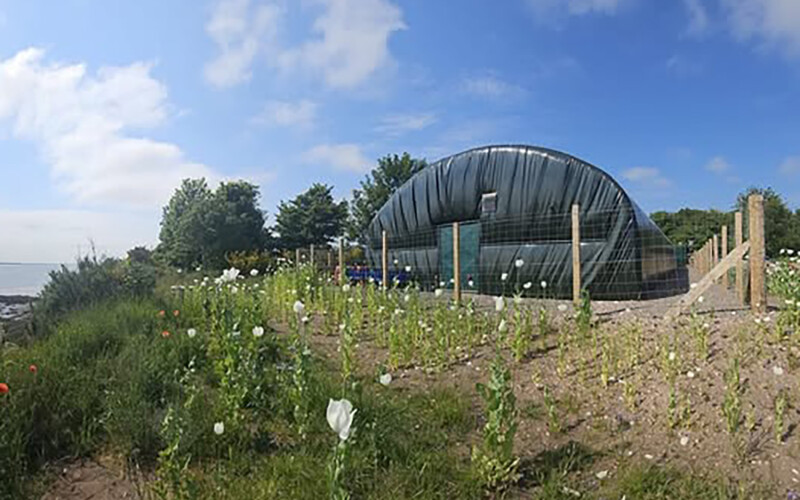
The U.K. has an opportunity to become a global leader in land-based seafood production but only if the country’s government provides the right support infrastructure, according to a new policy blueprint.
“Investing in the U.K.’s Blue Transformation,” a policy paper conducted by the University of Exeter, insists that recirculating aquaculture systems (RAS) are no longer an emerging technology but a strategic opportunity to assist domestic… Read More
Published on
July 22, 2026
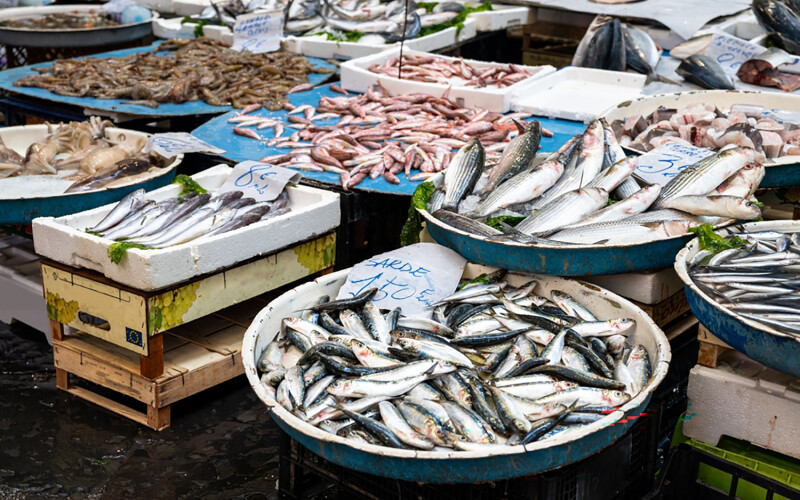
European consumers are eating seafood less frequently, with both total and per capita consumption falling to their lowest levels in 10 years, according to new analysis from the European Market Observatory for Fisheries and Aquaculture Products (EUMOFA).
The latest “Consumption of Fishery and Aquaculture Products in the E.U.” report from EUMOFA estimates consumption of fishery and aquaculture products (FAPs) across the bloc fell to 10.25… Read More
Published on
July 22, 2026
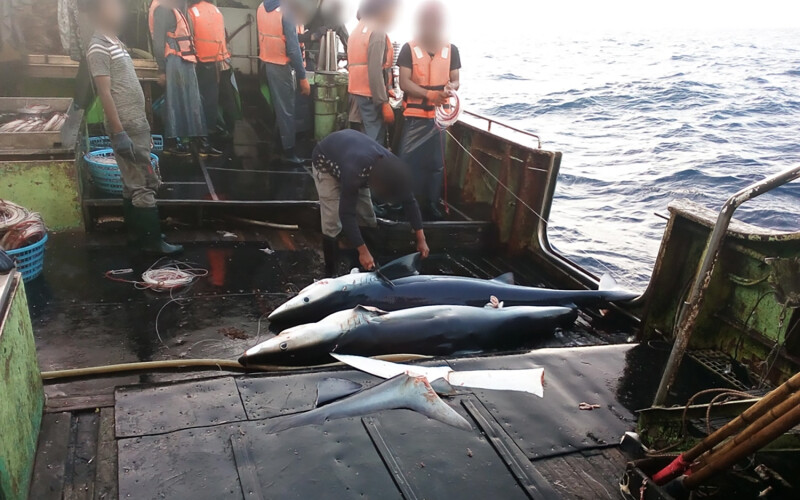
The Senegalese port of Dakar has become a “regional hub” for illegal shark fin trade associated with Chinese and Taiwanese distant-water tuna longliners operating in the Atlantic Ocean, a new investigation conducted by the Environmental Justice Foundation (EJF) claims.
EJF’s report, “Cut & Run: Exposing Senegal as a gateway for the global shark fin trade,” is based on 124 interviews with Indonesian and Filipino fishers who worked… Read More
Published on
July 20, 2026
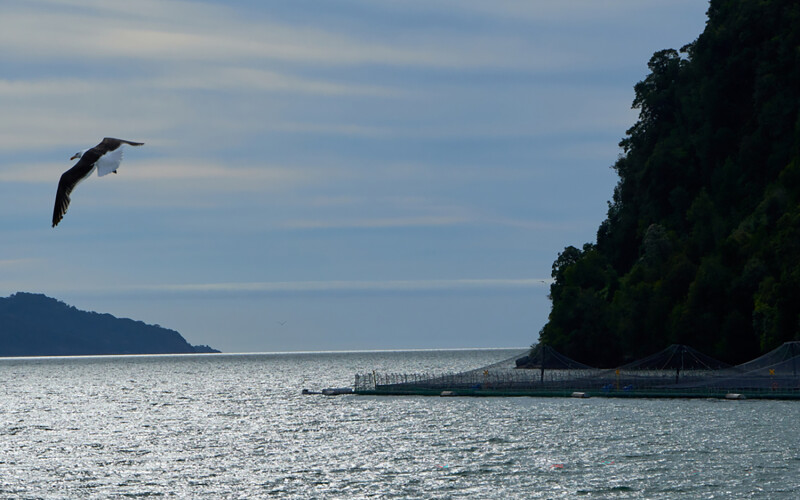
For decades, the Norwegian aquaculture sector has served as the benchmark for global salmon farming, but according to new Rabobank analysis, the industry's most compelling growth story may be taking place 13,000 kilometers to the south.
Rabobank’s new report, “From Crisis to Competitiveness: The Re-rating of Chilean Salmon,” states that Chile's salmon sector “has never followed a linear path” and has, instead, been shaped by… Read More
Published on
July 15, 2026
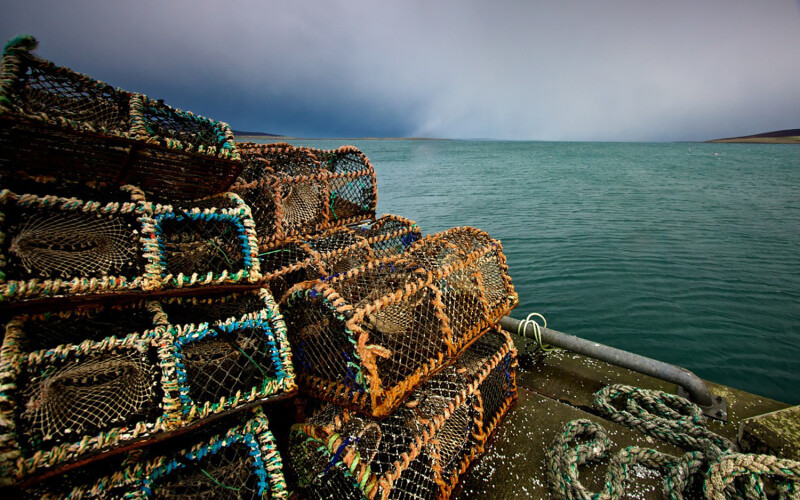
The Orkney creel fishery, located off the northeastern coast of Scotland, has become the first fishery globally to achieve certification against the Community Catch Standard for Small-Scale Fisheries.
The certification, awarded following an independent third-party assessment, recognizes the fishery's performance across a range of environmental, social, and governance criteria, including responsible harvesting, traceability, labor rights,… Read More
Published on
July 14, 2026

A coalition of 11 environmental organizations has launched a legal initiative aimed at compelling European governments to better safeguard marine protected areas (MPAs).
The formation of the MPA Legal Coalition – which brings together the Blue Marine Foundation, BUND, ClientEarth, Danmarks Naturfredningsforening, Défense des Milieux Aquatiques, Doggerland, DUH, the Environmental Justice Foundation (EJF), Manche Nature, Oceana, and Seas At… Read More
Published on
July 8, 2026
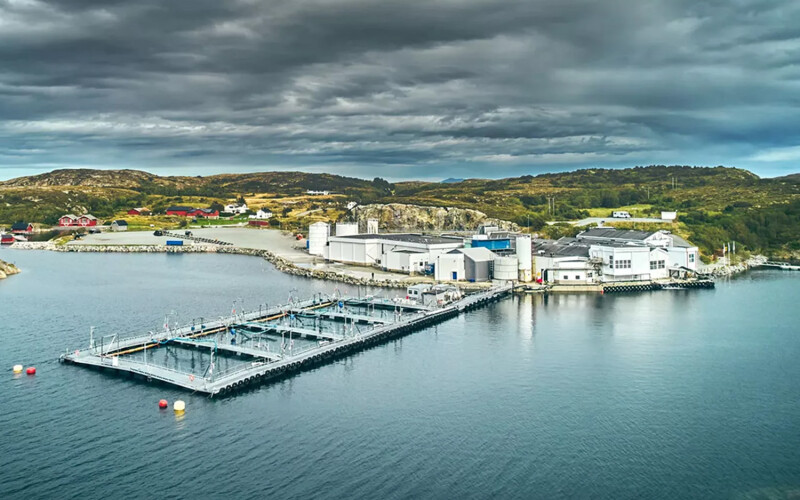
Bergen, Norway-headquartered Lerøy Seafood Group (LSG) harvested approximately 44,750 gutted weight tons (GWT) of Atlantic salmon and trout in the second quarter of this year excluding harvests from its 50 percent stake in Scottish Seafarms, marking a decrease of 4,150 GWT compared to the corresponding period of 2025.
According to the company’s latest trading update, its Lerøy Aurora operations harvested 7,100 GWT, Lerøy Midt produced… Read More
Published on
June 30, 2026
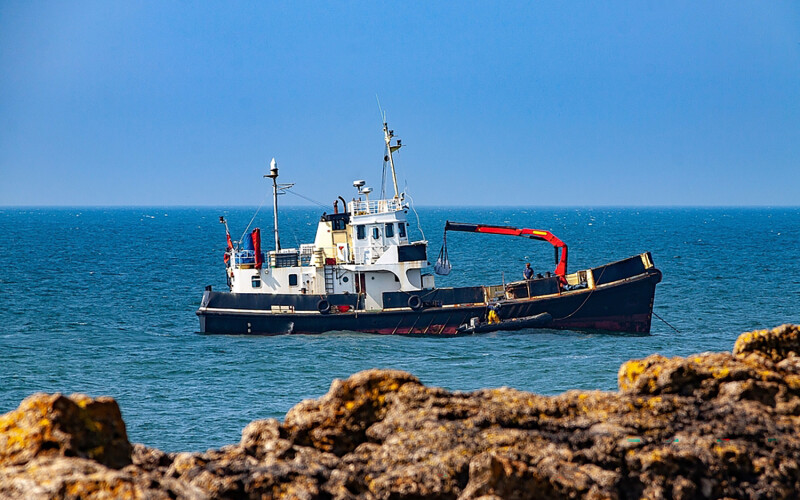
Environmental law charity ClientEarth has warned that weak transparency rules around fishing vessel ownership are creating “systemic blind spots” in U.K. fisheries governance.
In its new report “Whose Boat Is This?” ClientEarth argues that the U.K. government doesn’t require a sufficient amount of disclosure regarding the ultimate beneficial owners (UBOs) behind many commercial fishing vessels operating in U.K. waters.
The… Read More
Published on
June 29, 2026
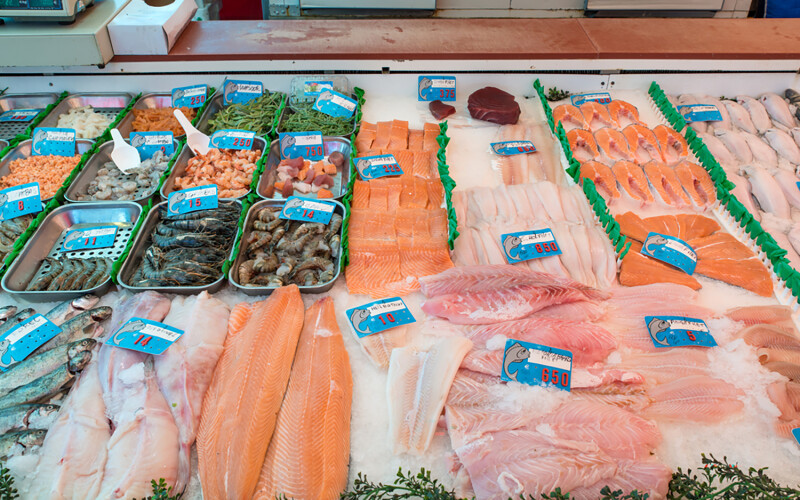
Seafood buying habits in the Netherlands are undergoing a “quiet but profound transformation” as structural constraints in wild capture fisheries, among other factors, are accelerating a rise in the consumption of aquaculture products, according to new analysis from Rabobank.
In its latest report, “Shifting Tides: How supply constraints in wild seafood are reshaping Dutch consumption,” the financial services firm found that aquaculture… Read More