


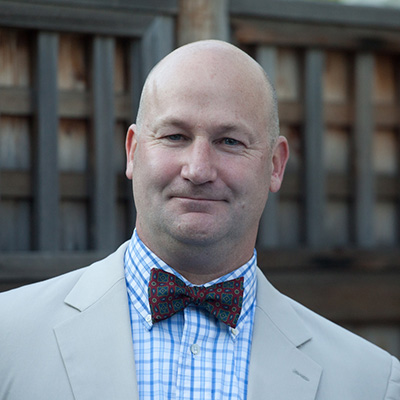
Ned Daly is a sustainability specialist/contributing editor with Diversified Communications. He has worked on sustainable markets in a variety of resources for 25 years. Ned worked in seafood for the last decade with SeaWeb, Previously he was director of RugMark International (now GoodWeave), a certification program for child-labor-free rugs coming from Southeast Asia. He also served as chief operating officer for the Forest Stewardship Council in the United States, managing relationships with industry leaders and a diversity of key stakeholders including conservation nongovernment organizations, policymakers and industry trade associations. Ned has also worked on sustainable markets in the agricultural sector and the relationship between resource extraction and ecosystem health. He lives in Alfred, Maine.
Author Archive
The evolution of the fishery improvement project (FIP) landscape over the last five years can be summed up in one word – diversity.
According to California-based consulting group CEA, FIPs have shown diversification in geography, species, models, end goals, and the government systems they are working within. Driven largely by increased industry engagement, there has been a 221 percent increase in the number of FIPs with multiple lead
… Read More
The World Benchmarking Alliance assessed 22 seafood companies in its 2026 Ocean Benchmark, and its accompanying insights into the sector’s performance show progress in some areas – and problems in others.
The World Benchmarking Alliance is a nonprofit organization aiming to hold companies accountable toward the U.N.’s Sustainable Development Goals by benchmarking companies in a number of performance metrics. Assessing multiple
… Read More
The Sustainable Fisheries Partnership (SFP) is a Honolulu, Hawai’i-based NGO working to engage seafood supply chains globally in rebuilding depleted fish stocks, reducing the environmental impacts of fishing and fish farming, and ensuring sustained economic opportunities for fishing communities.
Braddock “Brad” Spear is SFP’s prospecting and outreach director and is responsible for key initiatives ranging from the
… Read More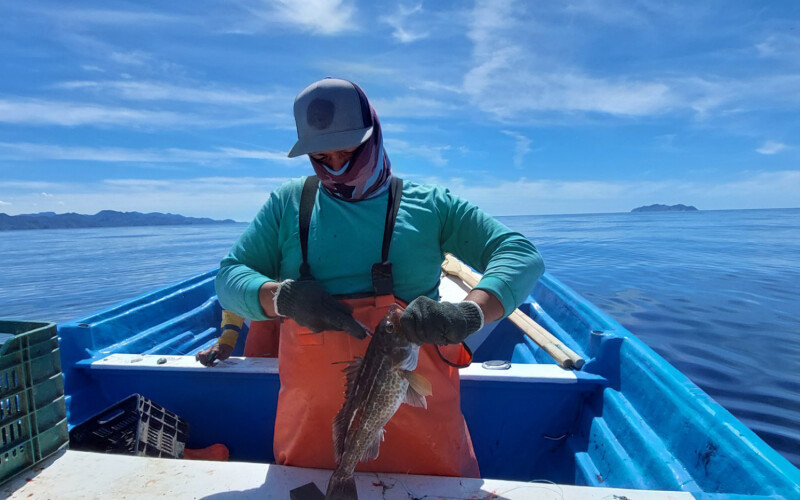
In seafood supply chains across the world, poor harvesting practices, inadequate processing and handling protocols, and a lack of supply chain oversight and traceability can result in lost value for producers and prevent international markets from accessing new sources of responsibly produced seafood.
To mitigate the issue, SmartFish, a nonprofit social enterprise based in La Paz, Mexico, has developed a Value Rescue Model for use in Mexican
… Read More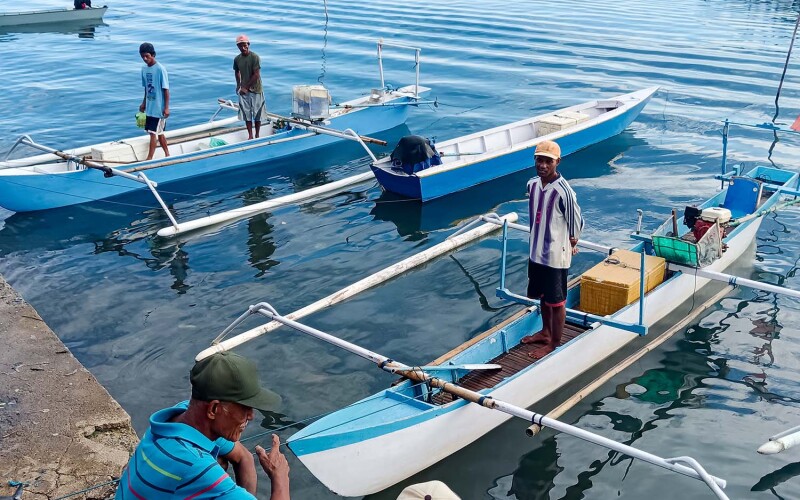
Despite representing half of wild-caught landings globally, small-scale fisheries continue to struggle to access larger markets.
The obstacles are multi-fold, according to the SSF Tech and Markets Intermediary Collective. Small-scale fisheries often face two major bottlenecks: a lack of traceable, verifiable data to confirm they are conforming to regulatory and buyer requirements; and inadequate infrastructure such as water treatment, cold
… Read More
Around 40 percent of the world’s fisheries landings come from small-scale operations, yet many of these fishermen struggle to gain access to international markets and miss out on lucrative export opportunities.
Nonprofit Abalobi works closely with small-scale fishers to alleviate this issue in South Africa, ensuring their operations are well-documented, verifiably legal, and equitably regulated in order to gain market
… Read More
Seafood companies around the globe have increasingly pledged to adopt more sustainable and responsible practices across their value chains.
Though these pledges often represent a positive step toward improving upon supply chain issues, the company-specific development of these commitments creates a challenge, as there is often very little alignment or consistency from one company to another.
This results in data and reporting that can identify
… Read More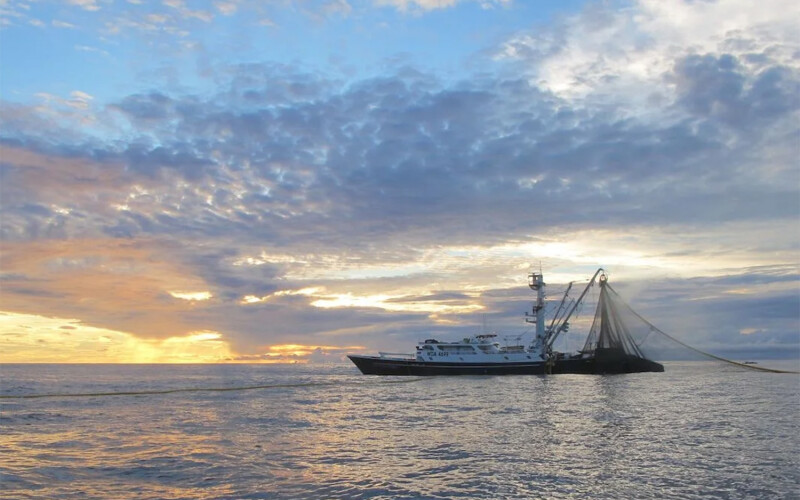
The International Seafood Sustainability Foundation (ISSF) has spent over a decade bringing together tuna stakeholders to enhance the sustainability of the stocks – and that effort is working.
ISSF has been collaborating with a broad set of stakeholders, including ship captains, harvesters, processors, distributors, retailers, NGOs, RFMOS, and scientists, since 2009 to improve the management and health of tuna stocks. That effort has
… Read More
Started in 1990, Seattle, Washington, U.S.A.-headquartered wholesale firm Aqua Star sources a variety of seafood from 17 countries, including shrimp, crab, lobster, salmon, haddock, pollock, calamari, scallops, and lobster.
In order to ensure responsibility in its supply chain, the company established its Seafood Forever program, which includes a Supplier Code of Conduct (SCOC) that addresses human rights, carbon accountability, environmental
… Read More
While small-scale fishers harvest a significant portion of global seafood’s annual catch – approximately 40 percent – programs and tools like certifications are often designed for industrial fisheries and then retrofitted for small-scale fisheries.
Community Catch was unveiled at Seafood Expo Global in 2025 to address such limitations with traditional seafood certification schemes.
SeafoodSource spoke with Community Catch
… Read More