






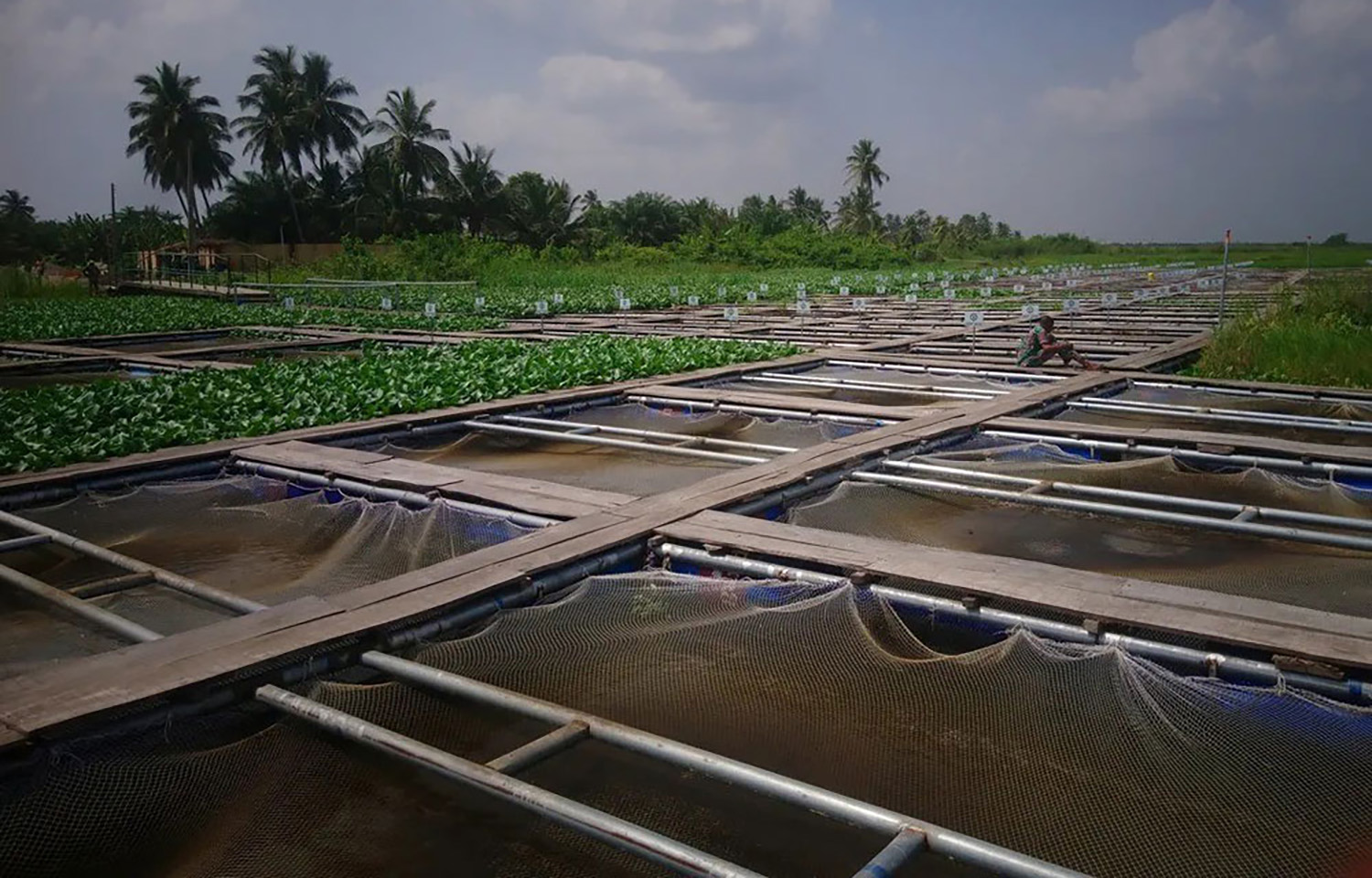
Nigeria’s Federal Department of Veterinary and Pest Control Services has warned that the country's aquaculture industry is at risk of collapse due to fish farmers ignoring expert advice on the use of antibiotics.
In early January, during a forum in the West African nation’s capital of Lagos, Nigeria Chief Veterinary Officer Samuel Anzaku told aquaculturists that the country’s aquaculture industry – the largest in Sub-Saharan Africa, making up 52 percent of total farmed fish production in the region – is increasing its reliance on antibiotics at a concerning rate.
This trend, Anzaku said, is likely to blame for an increase in antimicrobial resistance within the industry, marking it harder to treat diseases and, therefore, driving up operational costs.
“If not addressed, antimicrobial resistance could cripple value chains, shrink profit margins, and place significant financial strain on operators,” Anzaku said.
A 2025 study that surveyed Nigerian fish farmers found that 66 percent of farmers were aware of antimicrobial resistance and the dangers it poses but only 57 percent complied with informational drug leaflets. Around 80 percent of those interviewed also confirmed administering drugs without a disease outbreak, and more than 86 could not quantify the amount of antibiotics they used. About half of the respondents said they “used antibiotics for growth promotion, while 36.7 percent used it prophylactically.”
The study identified tetracyclines as the most commonly used antibiotic, with nearly 87 percent of respondents saying they used the antibiotic compounds.
Nigeria's tilapia industry is at acute risk from the emergence and spread of antimicrobial resistance, with the methicillin-resistant bacteria Staphylococcus aureus ST88 being of particular concern.
Daniel Schar, a visiting fellow at medical research organization One Health Trust and an expert on antimicrobial resistance, told SeafoodSource that “substantial gaps remain in understanding how and where antimicrobials are used in aquatic food animals."
"Despite growing attention to the urgent crisis of drug resistance for human, animal, and environmental health, there remains limited visibility on antimicrobial use in the aquaculture industry, particularly in developing regions, which are experiencing some of the fastest rates of aquaculture production growth," he said.
He called for the upscaling of surveillance if the aquaculture industry is to achieve an “informed targeted approach to mitigating antimicrobial resistance risk.”
"Healthier, more resilient aquaculture production systems not only avoid the need to use antimicrobials, but carry the added benefit of improved yield, reduced loss, and increased return on investment for farmers,” he said.
In an attempt to alleviate the issue, Nigeria, with the support of the U.K. and Spain, has recently embarked on a major study focused on exploring ways of replacing antibiotic use on fish farms.
A team of scientists from the three countries are working together at the University of Ilorin, a Nigerian government-owned public research institution located, “to produce a safe, locally manufactured alternative for farmers across the country.”
The project, known as the BAC4RumA project, aims to develop “bacteriocin-rich extracts from engineered lactic acid bacteria as substitutes for antibiotics commonly used in ruminants and fish.”
Nigeria is not the only country that has taken action to reduce antibiotic use in aquaculture.
In March 2024, Chile, which is the world’s second-largest producer of farmed salmon, launched the Yelcho Project to foster collaboration in an attempt to reduce the industry’s use of antibiotics while simultaneously increasing vaccines to prevent bacterial diseases.
With Yelcho, we recognize that we need to adopt a new approach, one that prioritizes collaboration and innovation to provide effective solutions to protect salmon … and reduce the use of antibiotics,” Multi X Executive President José Ramón Gutiérrez said in a video address to pharmaceutical companies when the project was launched. “Yelcho is a commitment to a new way of engaging with the animal health sector. We believe that by working together, we can streamline efforts … as well as facilitate open, pragmatic conversations around overcoming barriers and rewarding innovation for assured success.”
