






Chile’s Aquaculture Innovation Club will focus its efforts this year on expanding its members’ presence globally, particularly in countries that are in the emerging stages of aquaculture development, Executive Director Adolfo Alvial told SeafoodSource.
The club, which is a nonprofit headquartered in Puerto Varas, Chile, has over 30 member companies that provide aquaculture services, products, and equipment developed in Chile that can be adapted for use in other countries.
The club’s members have already made inroads in such countries as Brazil, Colombia, and Peru, but in 2026, the club is seeking to greatly widen its client base internationally.
Laying the groundwork for the expansion plans, last year, Alvial led several aquaculture innovation presentations abroad, including with the World Bank, and several member companies began to expand internationally with support from ProChile, which is the Chilean government agency – operating under the country’s Ministry of Foreign Affairs – that is responsible for promoting Chilean exports.
“ProChile has been an important factor in the expansion of the club’s members. ProChile is interested in supporting scientific, technical-based suppliers, and we are also, so we support each other,” he said. “ProChile is interested in knowing what we’re doing and how we’re doing it, and we can jointly address [international] markets in essentially what we’re targeting for 2026: emerging countries in aquaculture. This has been an important factor in the expansion of the club.”
With that groundwork laid, the club will focus this year on getting the word out about the novel solutions offered by club members, which will entail traveling abroad to present projects, as well as attending fairs. The innovation club will also look to collaborate with countries that are advanced in technology, such as China and Israel.
“While they don't have as many years of experience in aquaculture as we have here, they have cutting-edge technologies. If it is done under a collaborative approach, they can get more involved, employing their models of digital technologies and artificial intelligence,” Alvial said. “We have also been in Tokyo since last year, and we were able to corroborate that Japan is interested in exchange and collaboration with companies in the Chilean private sector.”
Alvial added that the World Bank has expressed high interest in bringing aquaculture innovation to Africa and said some members have already established “advanced contact” with the Middle East.
While many expansion plans lay outside of South America, Alvial explained that the club is still focusing on making inroads in countries closer to home in which it has yet to establish a solid foothold. For instance, Ecuador’s robust shrimp-farming industry has not been an easy market for the club’s members to penetrate.
“We’ve been present in Ecuador as a club and also through individual companies. The truth is that, for some reason that isn’t easy to explain, we have a hard time there. I think they believe since their focus is farming shrimp, the experience and capabilities of suppliers who have grown around fish farming are not very applicable,” Alvial said. “But still, the club’s member companies and I think that shrimp and its aquaculture are a very interesting industry for us. There are many technologies that can be adapted that were born from salmon farming here and that could be perfectly adapted to it there.”
Solutions that Alvial sees as successful in salmon farming that could be adjusted to the shrimp industry include artificial vision and hydroacoustic solutions that, even in turbid waters, can help to determine behaviors – related to stress, disease, or feeding – that are significant indicators of animal well-being. Other examples of exportable services include oxygen solutions, seabed recovery, and management optimization, he noted, as well as innovation-focused consultancy and technology development in advising both industries and governments.
Alvial said a number of the club’s member companies are perfect for international expansion, regardless of the location.
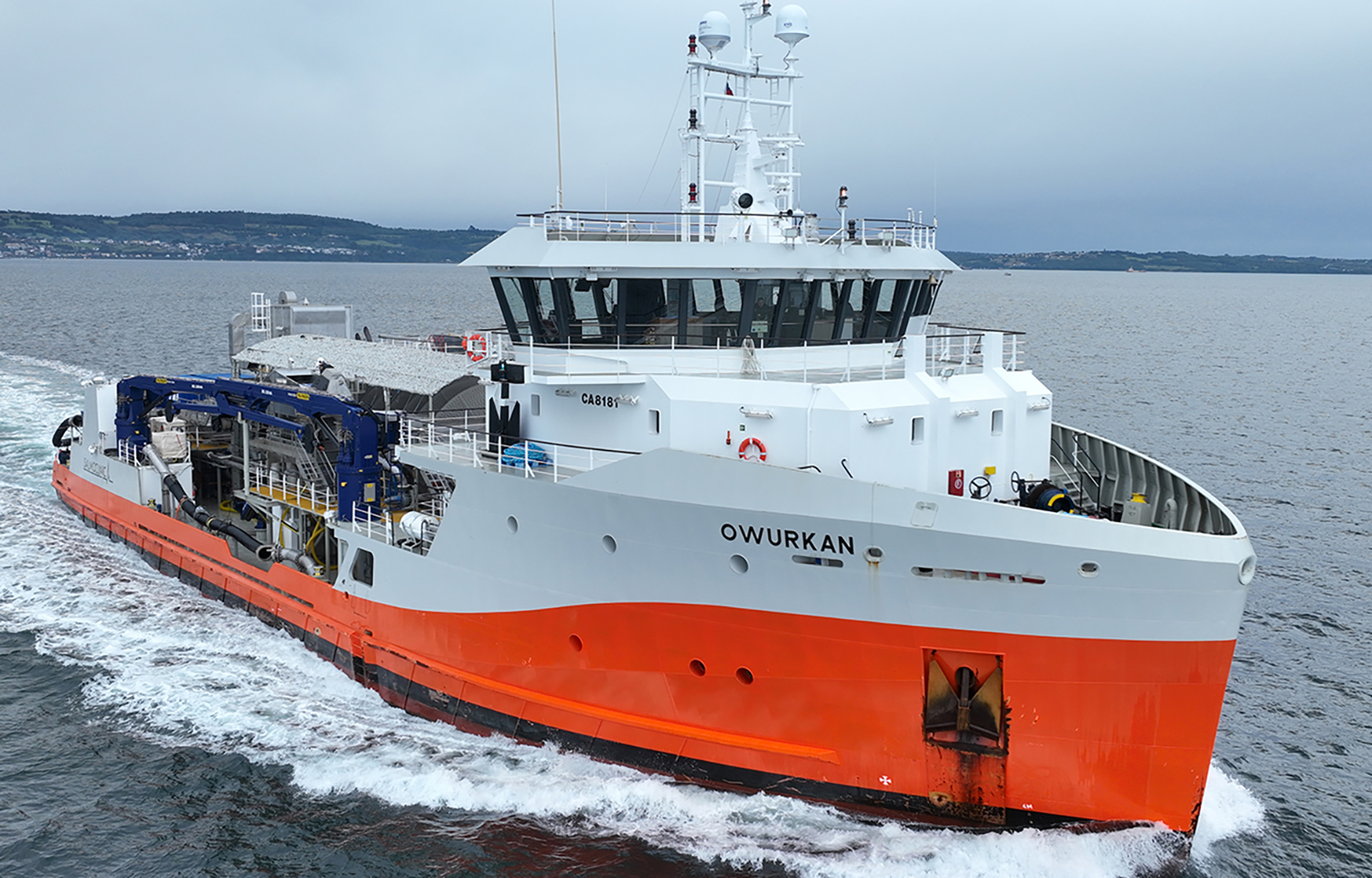
These include SalmoClinic for the provision of clinical vessels that perform in-situ treatment while using advanced technology for wastewater treatment; DVS Tecnologia for the recovery and conservation of seabeds and inland waters via circulation of oxygen-rich water; ADL Diagnostic for advanced diagnostic and biotechnology laboratory services; and Aquit for probiotics and molecular developments for natural drugs related to disease control and food additives.
“Those are some, but there are several others,” Alvial said.
Besides market outreach, other 2026 goals for the club include applying for competitive funding.
“The club members have kept a reasonable distance from this due to the bureaucracy that often involves the hassle of being able to access the instruments, so we have developed capacities within the club of collaborators that will help with this, in accessing these projects and for the members to be able to present projects and manage them,” Alvial said.
To accomplish this goal, the club may approach national and regional organizations, while international organizations “are very attractive to be able to work on larger projects.”
