





Chile’s Salmon Council, a trade association formed in 2020, has been outspoken over the need for the nation’s salmon-farming industry to strictly obey environmental laws. It has also proactively led discussions over industry needs, sought areas of cooperation with other national industry associations, and worked to ensure that government authorities and decision-makers prioritize the aquaculture sector.
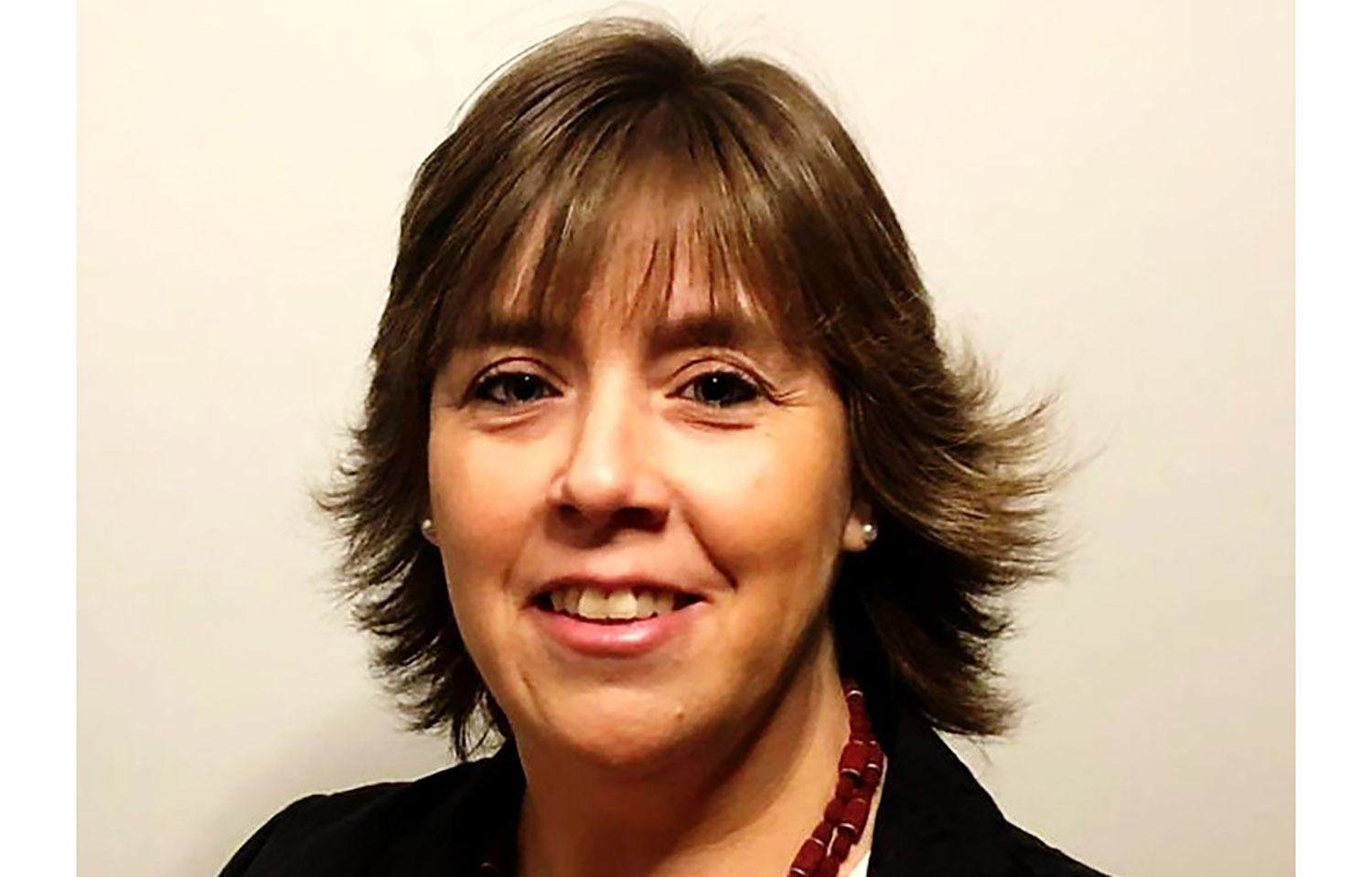
SeafoodSource spoke with Loreto Seguel, the executive director of the council, to get an overview of where the industry made progress and suffered setbacks in 2024 and where the association would like to go in 2025.
SeafoodSource: Can you summarize what 2024 was like for the Chilean salmon-farming industry?
Seguel: 2024 was a year that allowed us to show Chile in public discussion that [aquaculture] is a relevant industry, and that is a great win. That means that we are starting to rise now and move toward what we need in the form of state policy. Two or three years ago, no one talked about salmon farming because we were like the ugly duckling. Today, it is being discussed; we are putting the topic into the discussion in the south and also in [the nation’s capital of] Santiago. The council has played an important role in participating in forums and business meetings, where we really should feel proud of this industry.
Does it have challenges? Yes, of course it has challenges. We produce living things in the sea, so we have challenges all the time, but today, what has been built is a source of pride that we have to be able to transmit, removing the myths and the misinformation that is very strong here. I’d say that 2024 for the industry meant making a path of debunking myths, really informing decision-makers and elites of what we do, what that industry is, and what the challenges are but also letting people know about the things that must continue to be affirmed.
SeafoodSource: What are your expectations for 2025?
Seguel: We will have national elections. As a council, we have the firm conviction, regardless of the government, that we have to be able to get this industry into the public policy discussion. We are focused on that, and we’re focused on providing accurate information regarding the impact of this industry and what it means for it to continue growing.
We’ll continue bringing that issue to the discussion, and I believe that, regardless of the political landscape, it is being achieved. Aquaculture is at least discussed, and now we have to go an extra step there and ensure that actions are taken.
I believe that 2025 is also going to be a year of consolidating something that we have begun to undertake. It has to do with a council vision that, given that we are in aquaculture, given that aquaculture is a blue transformation led by the United Nations’ Food and Agriculture Organization (FAO), and given that aquaculture is going to be part of the solution to the future food crisis, we want to form a Latin American Aquaculture Association to unite those of us who have aquaculture in our countries – Ecuador for shrimp, Brazil for tilapia, Colombia that is working on shrimp and tilapia, as well as Peru.
From the council, we will look to generate a Latin American Aquaculture Association that, while we are different countries and have different products, we are united by aquaculture and by that blue transformation.
We are united under the FAO's view of the future food challenge, and I would say that 2025 has to be an important time in which countries work hand in hand under association partnerships.
One of our hallmarks has also been not only public-private alliances but also the alliance between associations because these associations address countrywide issues.
When the associations come together and work together, we have much greater strength to be able to achieve regulatory change and improve practices. Today, associations have to advance hand in hand; it is no coincidence that we have signed a cooperation agreement with the National Association of Entrepreneurs or an agreement with the National Society of Agriculture.
SeafoodSource: The United States is the most important market for Chilean salmon exports. Is there any concern with President Trump’s administration?
Seguel: As someone who has been in the public and political world, I feel there is always uncertainty with the election of someone and the forming of a new government – particularly when they are so geographically far from us.
We will do precisely the same thing that we in the Salmon Council are doing in Chile, which is to establish a robust public-private alliance beyond any government. We have established a path, for example, to start working with the U.S. Embassy in Chile and with the Chilean embassy in the United States. That goes beyond the government, where the different actors may change.
The most relevant market for us is the United States, and we are working with the embassy teams to explain Chilean salmon, its benefits, its problems, and its challenges. The United States requires information, and we need our government representatives to be informed there. We are now also working for the first time with the Chilean-American Chamber of Commerce.
Nevertheless, we are going to be very attentive to what is going to happen with the policies of the new president of the United States.
The United States is our most important market, and Chilean salmon is the most sold salmon in the United States. We have to take care of that, and I believe that with these changes, we must always redouble our efforts to maintain relations with the new leadership.
