





One of the main issues that Chile’s aquaculture industry should address, especially with an aquaculture-friendly incoming government under President-elect José Antonio Kast, is diversification beyond salmon, Adolfo Alvial told SeafoodSource.
“I am optimistic about the future of salmon farming in Chile, but I think that aquaculture [for raising other species] poses an interesting challenge for the new government,” he said. “As a country, we have been investing money for too long in diversification that is not capable of scaling commercially or technologies get developed halfway for some potentially attractive species. I think what is behind that is market weakness, lacking market studies prior to the development of these species for aquaculture. When the necessary resources and time are not invested to properly develop the technologies, you miss an opportunity.”
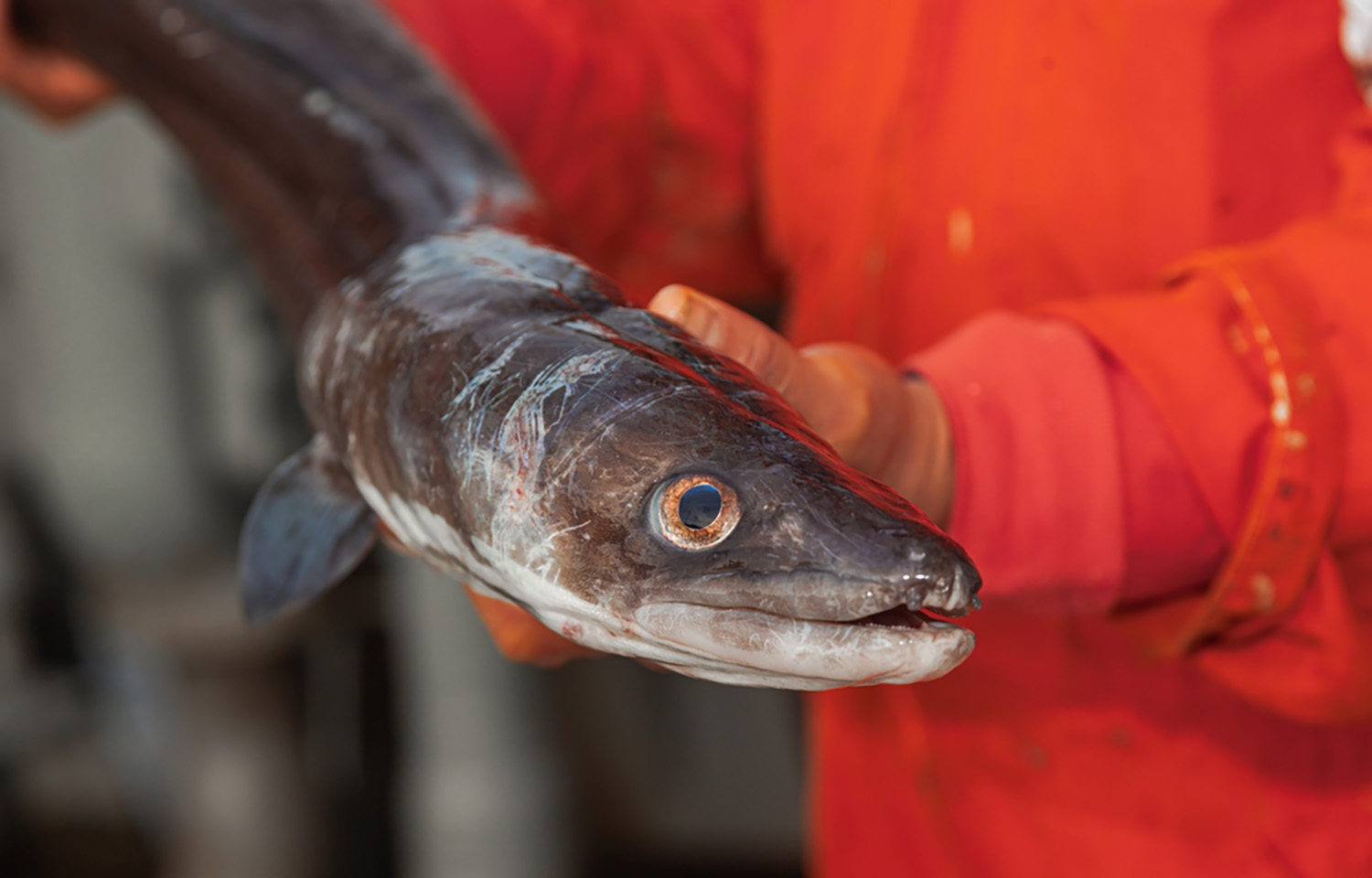
Alvial, who is the director of the Aquaculture Innovation Club, which is a nonprofit headquartered in Puerto Varas, Chile, that has over 30 member companies providing aquaculture services, products, and equipment, added that there are numerous examples of species that could have previously been explored for development in Chile but were never fully considered, such as sea bass, Chilean abalone (Concholepas concholepas), sea urchin, and conger eel.
However, now, aquaculture is a growing worldwide trend, and Chile needs to take advantage of its strength in salmon farming to innovate and apply industry knowledge to diversify into other areas, Alvial said.
“What is coming is undoubtedly coming very strong, and Chile has to invest in that urgently. Other countries are actively doing that – such as the case of algae, for example,” he said. “Algae is undoubtedly going to be a topic in global food in the coming years, especially considering the additional, tremendous potential for ecological services it provides in carbon capture.”
Chile already has organizations that can drive this diversification, he added, such as Fundación Chile – a public-private nonprofit established in 1976 charged with driving Chile's sustainable development through innovation, technology transfer, and entrepreneurship. It currently focuses on high-impact solutions for water security, climate change, energy, and human capital, and in the 1980s, it was considered crucial in proving to the private sector the viability of salmon-farming operations in Chile, according to Alvial.
“Going against all market trends of the times, Fundación Chile left aquaculture. That, in my opinion, is very regrettable because aquaculture is a sector in which the country has clear comparative advantages that must be translated into competitive advantages, which requires innovation, and Fundación Chile has those capacities,” Alvial said.
Despite leaving direct production, Fundación Chile has continued to work on aquaculture diversification, including initiatives related to mollusks and other marine resources. It has participated in the government-backed aquaculture innovation center AquaPacífico, which is a joint initiative founded in 2016 between the government’s productive investment agency Corfo and the Universidad Católica del Norte.
The Aquaculture Innovation Club has also developed a close working relationship with that university and AquaPacífico, Alvial said, with club members sitting on the latter’s board. Alvial added that the club may turn to these partnerships to help stimulate sector diversification.
“Let's put strength into two or three species. It’s not an issue of Corfo financing [aquaculture development for] 10 or 20 species. Put the resources into two or three where we have a viable option and where the private sector says, ‘We see opportunities here,’” Alvial said.
He proposed that Corfo or a similar government fund could invest in market research to determine which type of products could respond to high demand in order to then employ reverse engineering to finally get to the technology, which he identified as the basis of market development.
“There are several technologies that have fallen by the wayside, and other species that were coming could be very attractive as well, even for artisanal fishing that is in decline. They could use their coves for aquaculture management to reestablish species like turbot, abalone, or sturgeon,” he said.
Besides diversification, Alvial called on all sector players to make a special effort in working with the incoming government to address pending, urgent issues such as defining a new aquaculture law and responding to emergencies that have arisen due to the highly questioned Lafkenche Law.
“Capacity for dialogue with the state – that is, sustaining conversations between the public sector, the private sector, and civil organizations – is key. I believe that here, the issue of political skills and capacities is essential,” he said.
