





The state government of Lagos in Nigeria recently announced that construction has begun on the Lagos Aquaculture Center of Excellence (LACE), a NGN 10 billion (USD 6.4 million, EUR 5.6 million) project aiming to boost food security, job creation, and overall seafood output in the West African country.
The LACE project, touted as Nigeria’s biggest aquaculture initiative to date, is a public-private partnership between the Lagos state government and Dula Agro Services, a development company focused on building infrastructure to support agriculture growth in Nigeria.
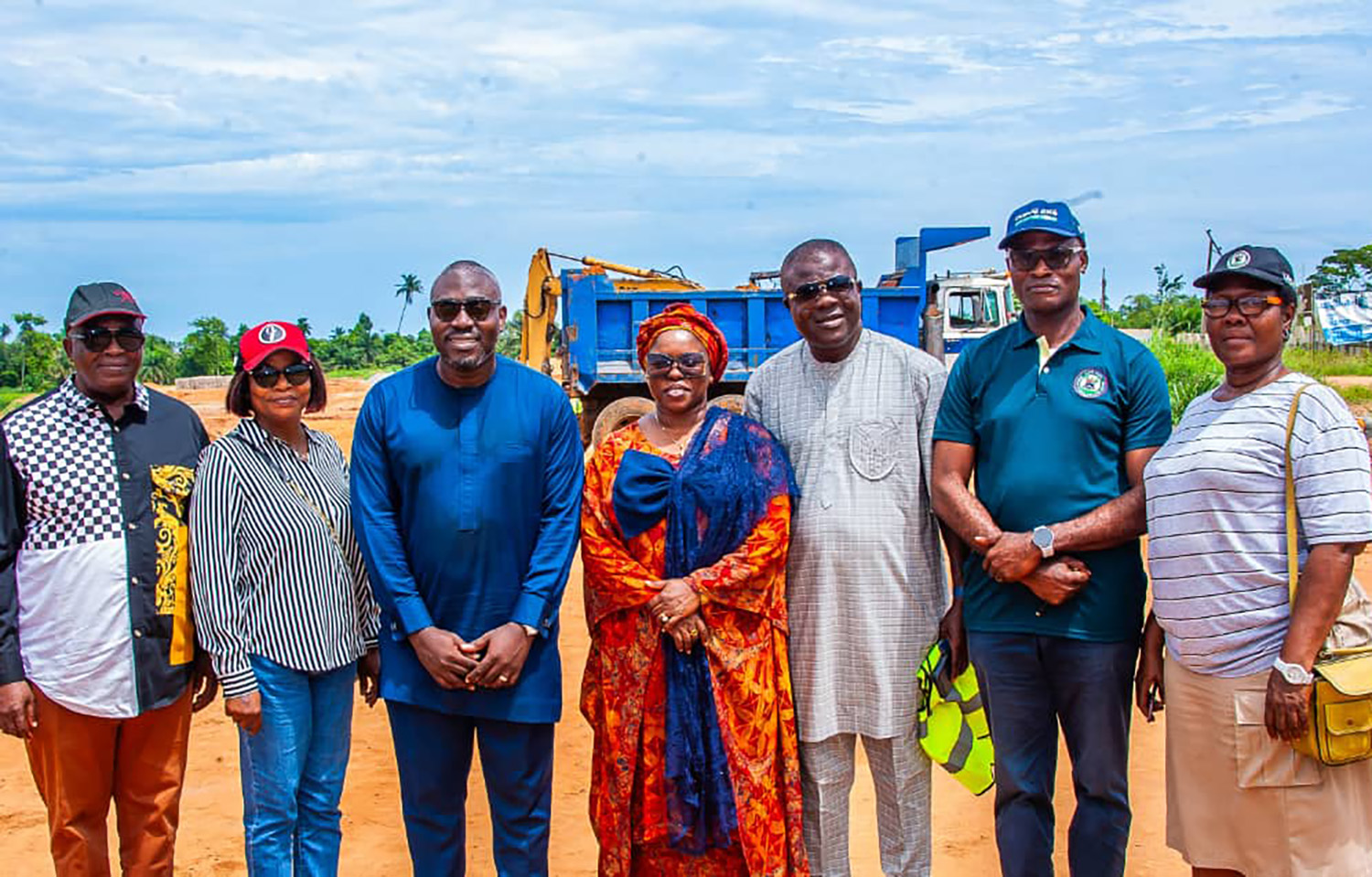
Dula Agro Services is in charge of constructing the new center on 35 hectares of land located near the town of Igbonla. The facility will include hatcheries, nurseries, grow-out units, processing plants, and a feed mill, all of which Dula Agro said “will streamline production, processing, and distribution.”
The project is expected to utilize more than 50 million fingerlings annually, mainly comprising catfish – the dominant farmed fish in Lagos – and produce over 2,000 metric tons (MT) of fish for direct consumption and sale.
The center will also manufacture 24,000 MT of fish feed annually, helping to address Nigeria’s current aquafeed shortages and lower prices for domestic farmers.
With around one-third of the country’s feed being imported, feed costs have become a major constraint in expanding the nation’s aquaculture industry, with aquaculture entrepreneurs spending between 60 percent and 70 percent of their total production costs on feed, according to WorldFish.
Earlier this year, Worldfish found that fish farmers pay an estimated NGN 42,000 (USD 27.80 EUR 26.78) for a bag of feed, which is nearly a 1,200 percent increase from the NGN 3,500 (USD 2.32 EUR 2.23) they paid around 2010.
Another benefit expected to come about through the LACE project is that fish farmers, operating more than 5,000 smallholder aquaculture enterprises will get an opportunity to acquire new aquaculture production skills through training programs, as well as access fish species suited for Lagos’s waters in particular.
Though the beginning of construction marks positive progress, there is no completion date set for the LACE project, and the Lagos state government has a poor track record of seeing budgeted capital projects through from start to finish.
For example, although the Lagos state budget allocation for enhancing fisheries for the 2024-25 fiscal year was NGN 2.47 billion (USD 1.6 million, EUR 1.4 million), not a single relevant project was undertaken during the period.
