



The Federation of European Aquaculture Producers (FEAP) is calling on the European Commission to separate aquaculture from fishing when it considers new plastics regulations.
The European Commission recently launched a call for evidence as a part of its Single-Use Plastics Directive (SUPD), as it aims to reduce marine litter. FEAP said it supports that directive’s ambitions and environmental protection overall but added that current terminology and regulations that blend aquaculture and capture fisheries are placing a burden on the E.U. industry.
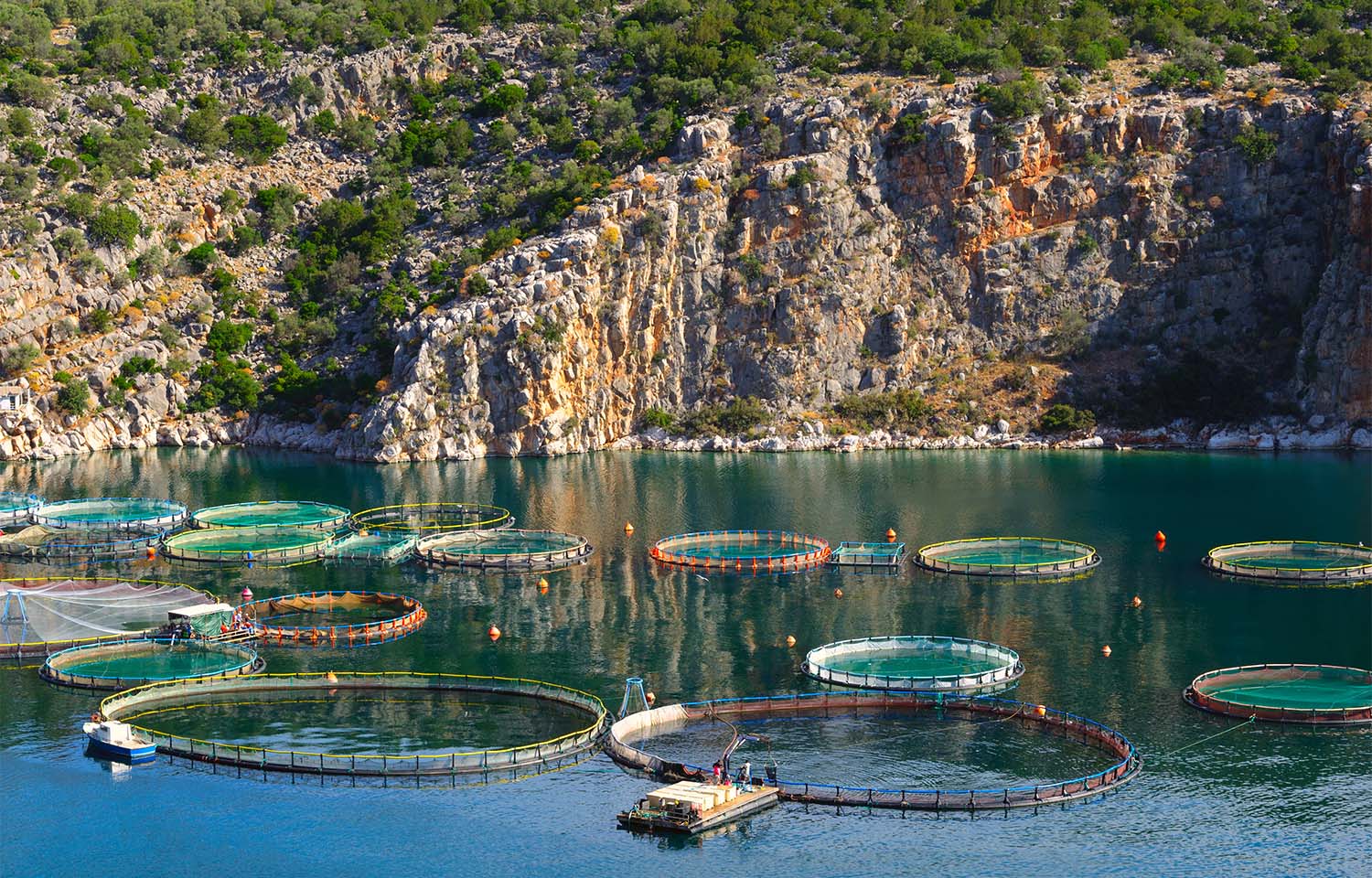
FEAP said aquaculture equipment such as nets, pens, buoys, and ropes are all categorized as “fishing gear,” which doesn’t account for how aquaculture’s use of those items is different from traditional fishing.
“We cannot be treated as a subset of the fishing industry. Aquaculture equipment is stationary, long-lasting, and managed under completely different operational conditions,” FEAP Secretary General Javier Ojeda said in a release.
FEAP also said that the commission should recognize aquaculture producers are the end users of the products and not plastic producers, similar to how fishers are recognized in the directive.
“Applying producer responsibilities to fish farmers would bury small- and medium-sized enterprises under an additional layer of red tape and run counter to the polluter pays principle,” FEAP said.
The association also said the European Commission should consider treating freshwater aquaculture applications differently than marine facilities, considering the directive is designed to protect the marine environment.
“Extending them to freshwater operations, FEAP argues, would create legal uncertainty and inconsistent transposition across Member States while also requiring application to numerous other sectors, different from aquaculture, located along rivers,” FEAP said.
Any sort of regulation created through the directive should consider the possibility of animal welfare or unintended consequences like fish escapes, the association said.
“The green transition must not come at the cost of operational safety or animal welfare,” Ojeda said. “Alternative materials must offer the same durability and reliability as plastics in harsh marine conditions. Environmental gains should not lead to biodiversity losses from structural failures.”
