
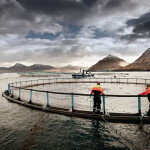

Norway’s Directorate of Fisheries has released the results of a consultation on the potential impacts of offshore aquaculture in multiple regions off the Norwegian coast and proposed regulations which could clear the way for further development of the industry.
According to a release from the Directorate of Fisheries, the study covered offshore aquaculture in three areas: Norskerenna south, the northern part of Frøya Bank, and Trænabanken. Early assessments show that it is likely all three areas studied could support offshore aquaculture operations.
“The Directorate of Fisheries believes that all areas may be suitable for offshore aquaculture,” Norway Director of Fisheries Frank Bakke-Jensen.
While the Directorate of Fisheries supports offshore aquaculture, it said the impact assessment showed knowledge gaps regarding the consequences of offshore aquaculture.
“It is currently not possible to set a tolerance limit for the total maximum permitted biomass that would be environmentally sound within the three assessment areas,” the consultation said.
The impacts of the farms, as well as the consequences for wild salmon, were both potentially severe, and the directorate said it needs to “build up knowledge-based experience in offshore aquaculture” to determine what the extent of those impacts could be. The consultation also said preventing escapes will also be crucial as it could be possible that escaped farmed salmon in offshore operations could migrate to other countries.
As a result, the Ministry of Trade, Industry, and Fisheries has submitted a proposal on how to regulate offshore aquaculture facilities that provide provisions for preventing escapes “in a better way” than current technical requirements.
“Among other things, there are requirements for technology qualification before new technology is put into use, as well as requirements for a monitoring system, verification requirements, and consent requirements before facilities are put into use,” the consultation said.
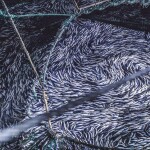
The directorate also said its existing escape protocols for near-shore aquaculture may not be adequate to cover escapes from offshore aquaculture operations, which will likely contain more fish per pen.
“This is challenging given the current counting methodology where large quantities of fish must be counted in several rounds, which requires additional units for moving fish during the counting operation,” the consultation said. “In addition, there is a known problem with uncertainty in number control, which will increase with the number of fish and counting sessions. Based on current technology, it can be assumed that it will not be possible to clarify the extent of escape incidents.”
Despite the uncertainties, the directorate said there was nothing in its assessment that suggests it should exclude offshore aquaculture from any of the three areas it studied. However, it said it may be important to limit each allocation to one company or consortium per area, to facilitate maintenance of biosecurity in the area and industry development.
“In the Directorate of Fisheries' view, it would be appropriate to start with one or a few locations within each area, and to apply the experience-based knowledge gained through the establishment and operation of these first locations in the further development of offshore aquaculture,” the directorate said.
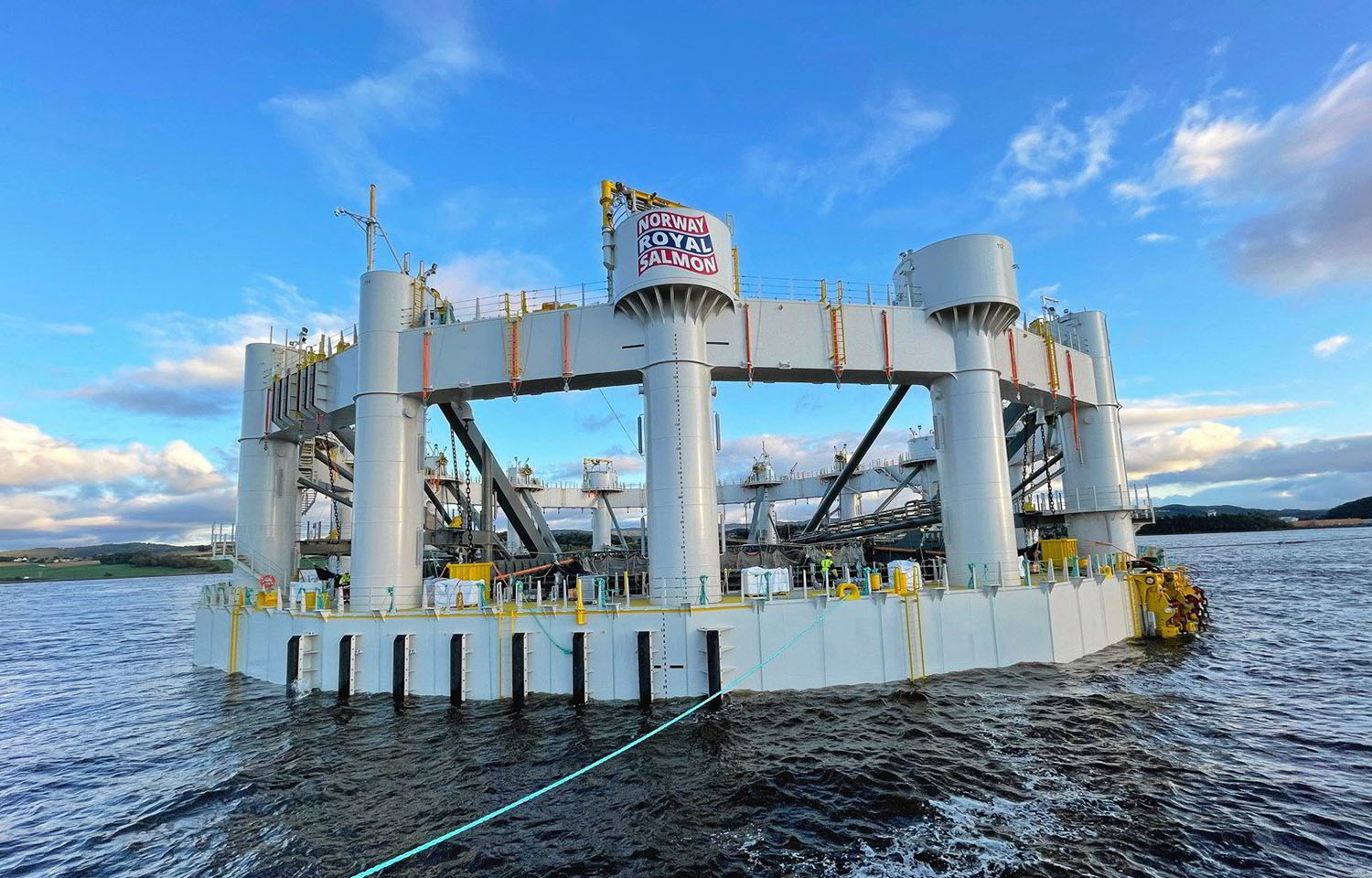
The nod from the directorate is potentially good news for Norwegian salmon farmers working on offshore aquaculture operations. Salmar Aker Ocean, created in August 2021 through a strategic partnership between SalMar and Aker, had been pursuing a goal of producing thousands of metric tons of salmon in offshore farms.
That goal was the product of years of work, first starting with Norway Royal Salmon obtaining permits in 2018 for the development of its subsidiary Arctic Offshore Farming. Arctic Offshore Farming was then part of SalMar’s acquisition of NTS in February 2022 and then later part of its merger with Norway Royal Salmon in November that same year.
SalMar Aker Ocean officially received a permit to establish its “smart fish farm” in the Norwegian Sea in September 2023. But despite its goals and years of work the company announced it was pausing all investments in offshore aquaculture in December 2023 in light of regulatory uncertainty surrounding offshore aquaculture and potential changes to the tax structure.
