



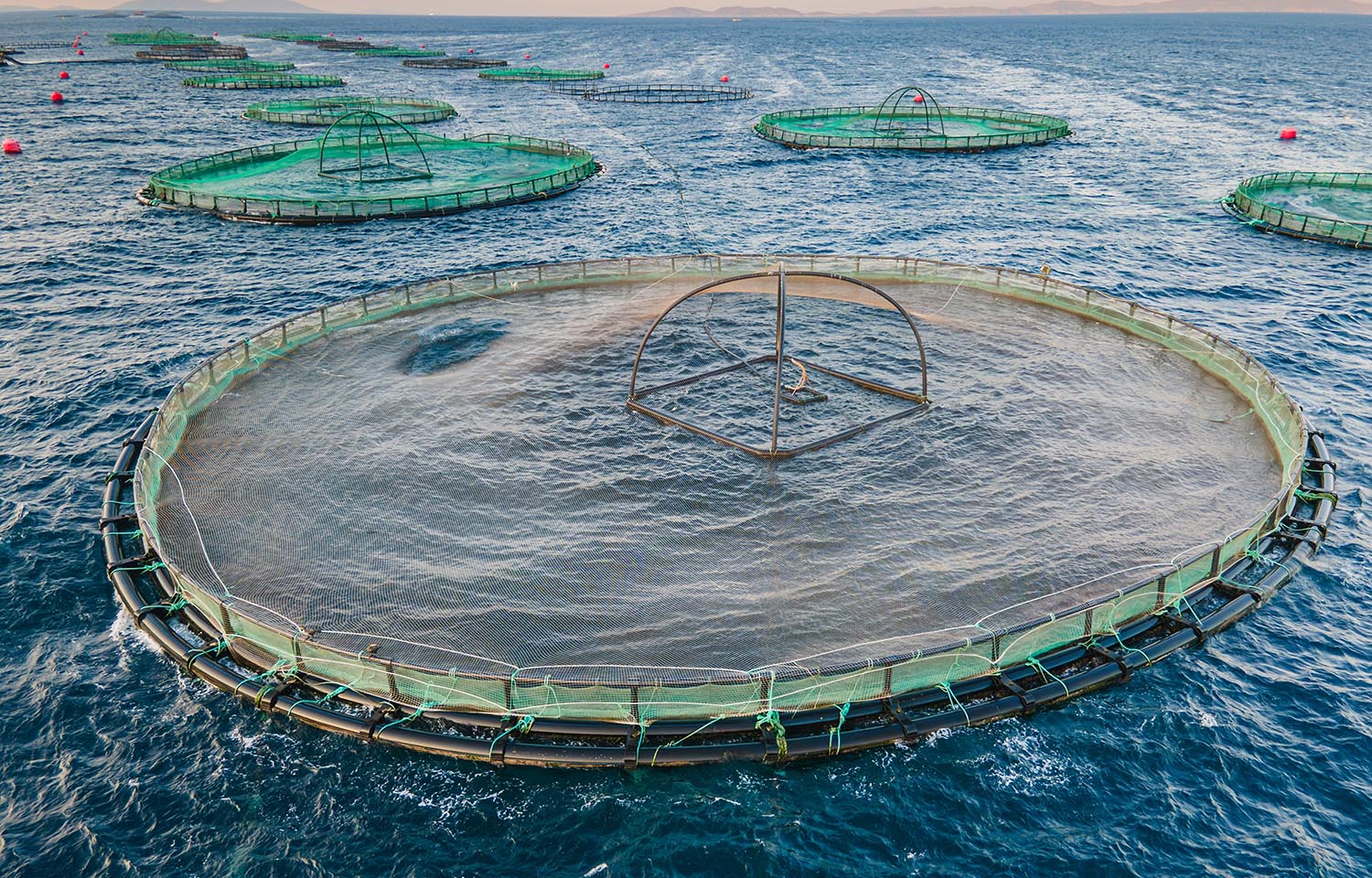
Advocates for developing offshore aquaculture in U.S. federal waters are asking lawmakers to invest USD 42 million (EUR 37.7 million) to help grow the nation’s aquaculture output.
Stronger America Through Seafood (SATS), a coalition of industry stakeholders in offshore aquaculture, sent a letter to the leaders of the U.S. House Subcommittee on Commerce, Justice, Science, and Related Agencies, highlighting the spending it says is necessary to support sustainable development of the aquaculture sector.
“By prioritizing domestic aquaculture, you will support the growth of an American seafood community that is resilient to economic and climate changes and is part of a holistic approach to a greater sustainable food strategy, as well as help achieve the president’s goal, laid out in his executive order, of making the United States ‘the world’s dominant seafood leader,’” SATS President Chris Stock said in the letter.
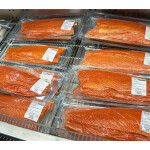
According to SATS, offshore aquaculture remains an untapped industry in the U.S. The nation ranks 18th in aquaculture production while importing more than 80 percent of the seafood consumed in the country. The aquaculture industry has long argued that the biggest impediment to the industry’s growth is the lack of a clear regulatory and permitting framework for offshore aquaculture projects.
To help address that issue, SATS's biggest funding request is USD 19 million (EUR 17 million) to implement NOAA Fisheries' five-year strategic plan for aquaculture. In addition, SATS would like lawmakers to provide USD 5 million (EUR 4.5 million) for a new cooperative institute focused on aquaculture development, which was provided for in the fiscal year 2024 appropriations bill. The group claims the institute will help fulfill the tenets of the strategic plan for aquaculture.
“We strongly support the launch of the CI in 2025 without delay,” Stock said.
SATS is also asking lawmakers to provide USD 18 million (EUR 16.1 million) for Sea Grant Aquaculture Research, which it says can help develop and commercialize new technology for offshore aquaculture.
U.S. President Donald Trump’s initial budget request for fiscal year 2026 proposed eliminating Sea Grant funding among massive cuts to NOAA Fisheries’ environmental work.
“NOAA’s educational grant programs have consistently funded efforts to radicalize students against markets and spread environmental alarm,” the administration noted in the budget outline. “NOAA has funded such organizations as the Ocean Conservancy and One Cool Earth that have pushed agendas harmful to America’s fishing industries. These NOAA grants were funding things such as George Mason University’s ‘Policy Experience in Equity Climate and Health’ fellowship, a workshop for ‘transgender women and those who identify as nonbinary,’ and NOAA Climate Adaptation Partnerships, which funded webinars that promoted a children’s book ‘designed to foster conversations about climate anxiety’ as therapy.”
However, SATS argues in its letter that funding Sea Grant Aquaculture Research will actually support the president’s agenda, pointing to his recent executive order on Restoring American Seafood Competitiveness.
SATS also called for restoring NOAA’s workforce, which has been slashed under Trump’s efforts to rapidly shrink the federal workforce. Hundreds of NOAA employees were fired in February by the Department of Government Efficiency; since then, multiple reports have emerged of understaffed NOAA offices struggling to complete basic functions. The federal government has faced challenges approving the regulations to start commercial fishing seasons on time, and some NOAA offices have been unable to secure basic janitorial services for their laboratories.
“We also support adequate staffing at NOAA, which is currently under a hiring freeze,” Stock said. “With the agency’s staff currently down 30 percent due to vacancies and retirements, ensuring these positions are filled is essential to the development of a stronger American seafood industry.”
In addition to its funding requests, SATS has drafted language supporting offshore aquaculture development to be included in an explanatory statement on the appropriations bill.
“The Committee recognizes the significant potential for development of American offshore aquaculture to increase U.S. production of healthful, sustainable and affordable seafood,” the draft language reads in part. “As the fastest-growing food production sector in the world, responsible aquaculture development presents opportunities for meaningful economic growth in coastal communities and among their supply chain partners, while ensuring that Americans have access to responsibly farmed local seafood.”
