






Chilean salmon-farming firm Salmones Austral has submitted a USD 5.5 million (EUR 5.1 million) project for environmental approval to expand operations at its 10-hectare Angosta grow-out center in the country’s southern Aysen region.
As part of the plan, the company is looking to expand production of Atlantic salmon from 5,200 metric tons (MT) to 7,900 MT per production cycle. Currently, the center has 20 square pens; the firm wants to reduce the number of cages to 18, but enlarge each one, aiming to achieve an average harvest weight of 5 kilograms in a maximum cycle of 15 months.
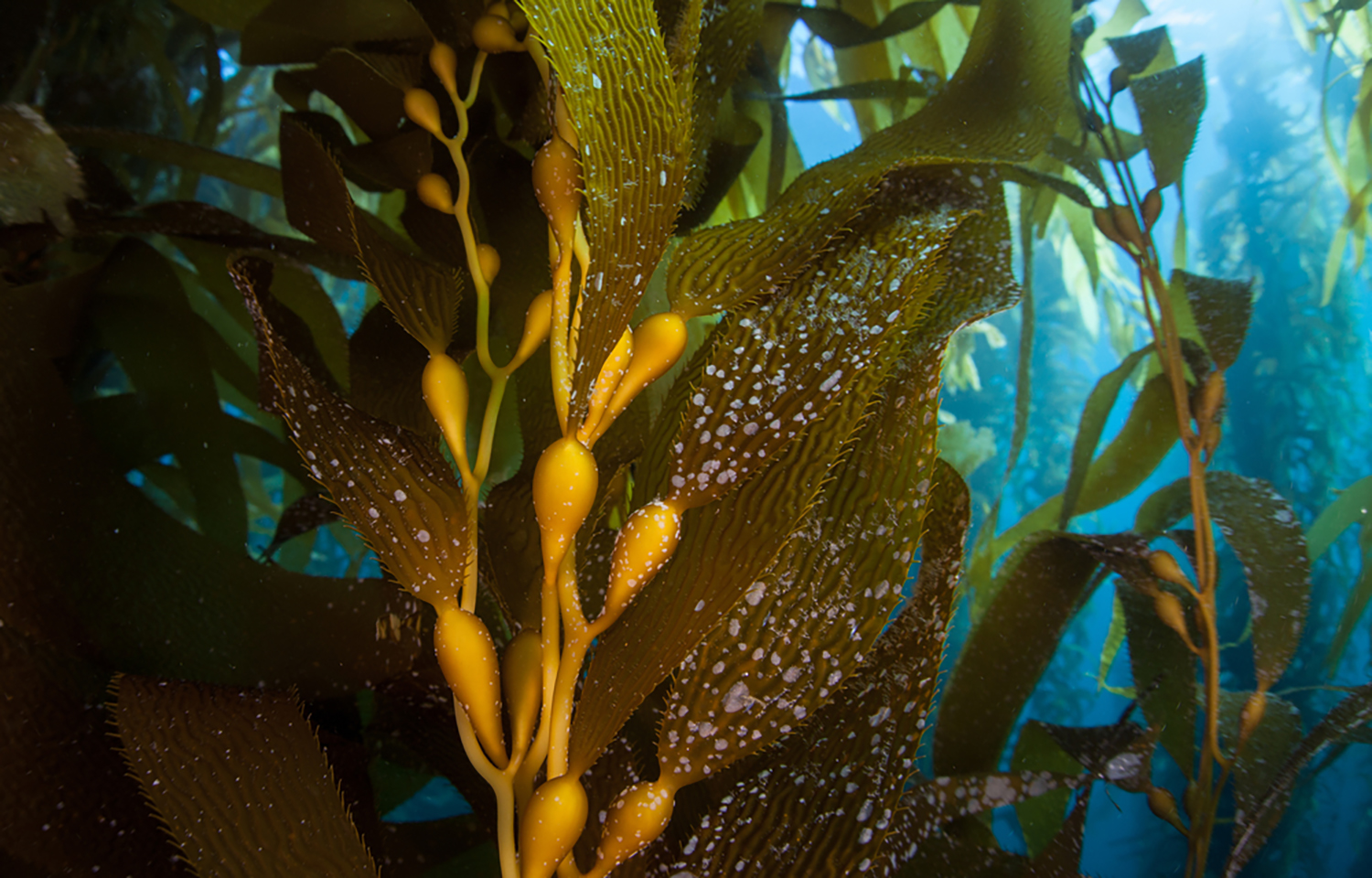
In addition to increased salmon production, the company is also considering cultivating macroalgae at the center, with a maximum annual production of 120 MT, comprising 20 MT each of six different species. In the environmental impact statement attached to the project’s submission, Salmones Aysén said that the macroalgae farming would be carried out in alternating cycles with the salmon grow-out plans; therefore, the two activities would not take place at the same time.
If approved, the project would launch in September 2025.
Salmones Austral was established in 2013 following the merger of Trusal and Pacific Star. It now has annual production of around 52,000 MT – 63 percent of which corresponds to Atlantic salmon and the remaining 37 percent to coho – and has exported to more than 20 countries. The U.S. and Asia are the main markets for Atlantic salmon, while Japan is the primary destination for its coho.
The vertically integrated company has more than 1,900 workers operating in two processing plants and 20 freshwater and seawater farming centers in the regions of Maule, Biobío, La Araucanía, Los Lagos, and Aysén.
It is also one of 11 Chilean salmon farmers that joined efforts last year with the nation’s Salmon Council, SalmonChile's Salmon Technological Institute (Intesal), Aquabench, the Chilean government's Agricultural and Livestock Service (SAG), and the National Fisheries and Aquaculture Service (Sernapesca) in launching the Yelcho Project to work collaboratively toward increasing vaccines to prevent bacterial diseases and reduce the use of antibiotics.
