




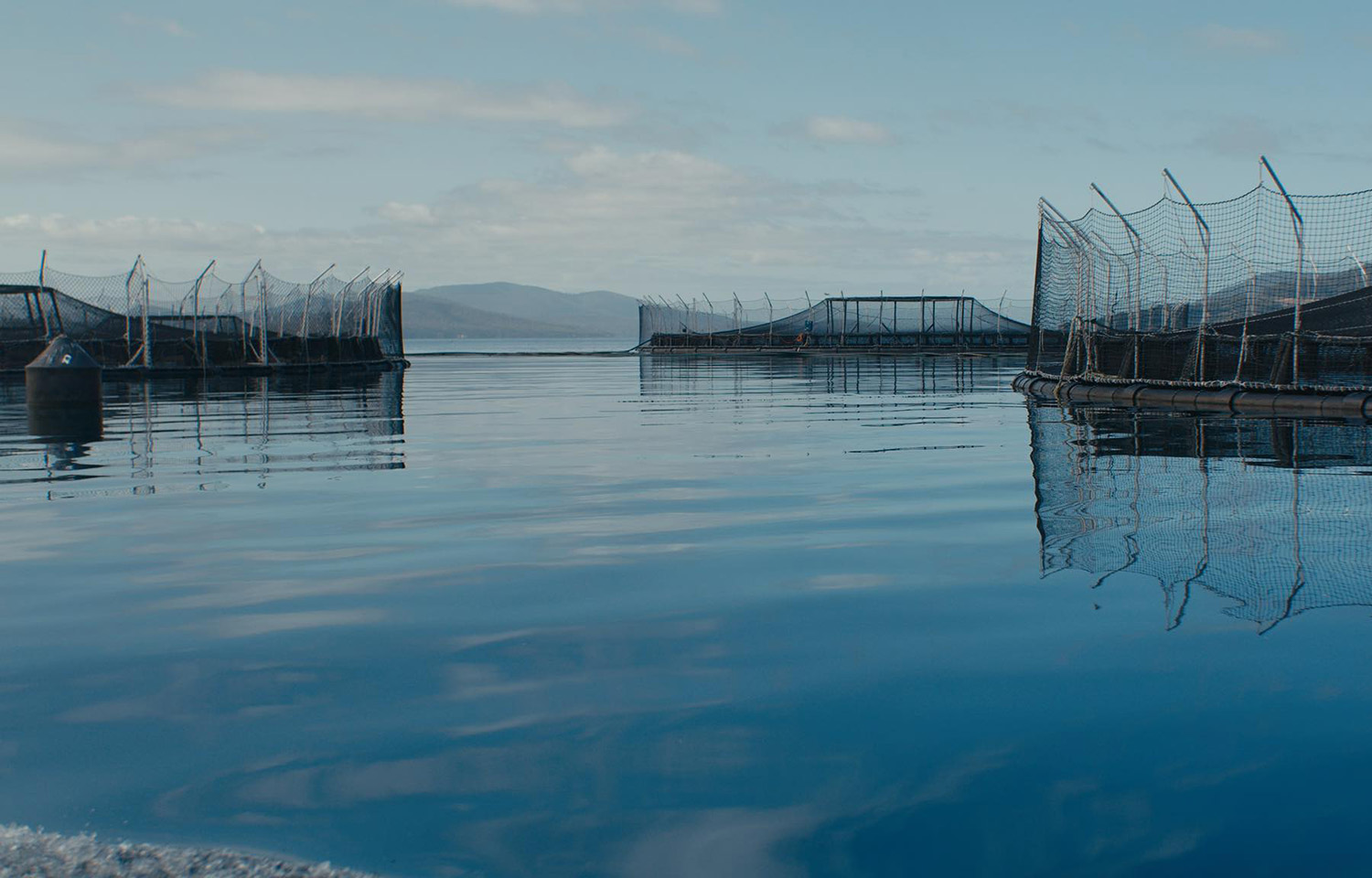
Scientists at the Center for Aquatic Animal Health and Vaccines in Tasmania are rolling out a new vaccine designed to treat Piscirickettsia salmonis bacteria that has caused mass mortalities at local farms.
Tasmanian salmon farms faced unprecedented mortalities in early 2025 as the bacteria – which is a strain of Rickettsia-Like organism, or RLO – impacted farms across the Australian state. Salmon Tasmania, which represents salmon farms in the region, said a new strain of RLO was the culprit, and the Tasmania Environmental Protection Authority reported 6,300 metric tons (MT) of salmon mortality waste was generated during the crisis.
Now, Pulse Tasmania reports the industry is implementing a new vaccine against P. salmonis ahead of the Southern Hemisphere’s summer months.
“The new vaccine is a major breakthrough. For the first time, we can vaccinate every salmon against the emerging endemic bacteria P. salmonis,” Salmon Tasmania CEO John Whittington told the publication. “This means salmon will have a natural immune defense against the effects of the bacteria, which they weren’t able to have last summer.”
P. salmonis is not harmful to human health but can cause elevated mortality in salmon that are impacted by it.
According to Pulse Tasmania, the vaccine was produced via a longstanding collaboration between Tasmania’s salmon aquaculture industry and government bodies, and Whittington said the vaccine is tailor-made for the challenges Tasmania faces.
“While no vaccine is a silver bullet, this is a critically important new tool in our toolbox that the industry has been developing as we prepare for the challenges that come with warmer waters over summertime,” he said. “Like every primary industry, the continued development of vaccines is critically important to salmon aquaculture. They improve fish health, reduce antibiotic use and enhance survival rates.”
