

RSPCA Australia has fully withdrawn Huon Aquaculture’s RSPCA Approved certification in response to a video taken by the Bob Brown Foundation.
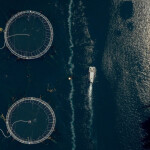
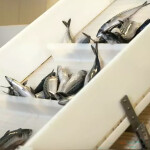
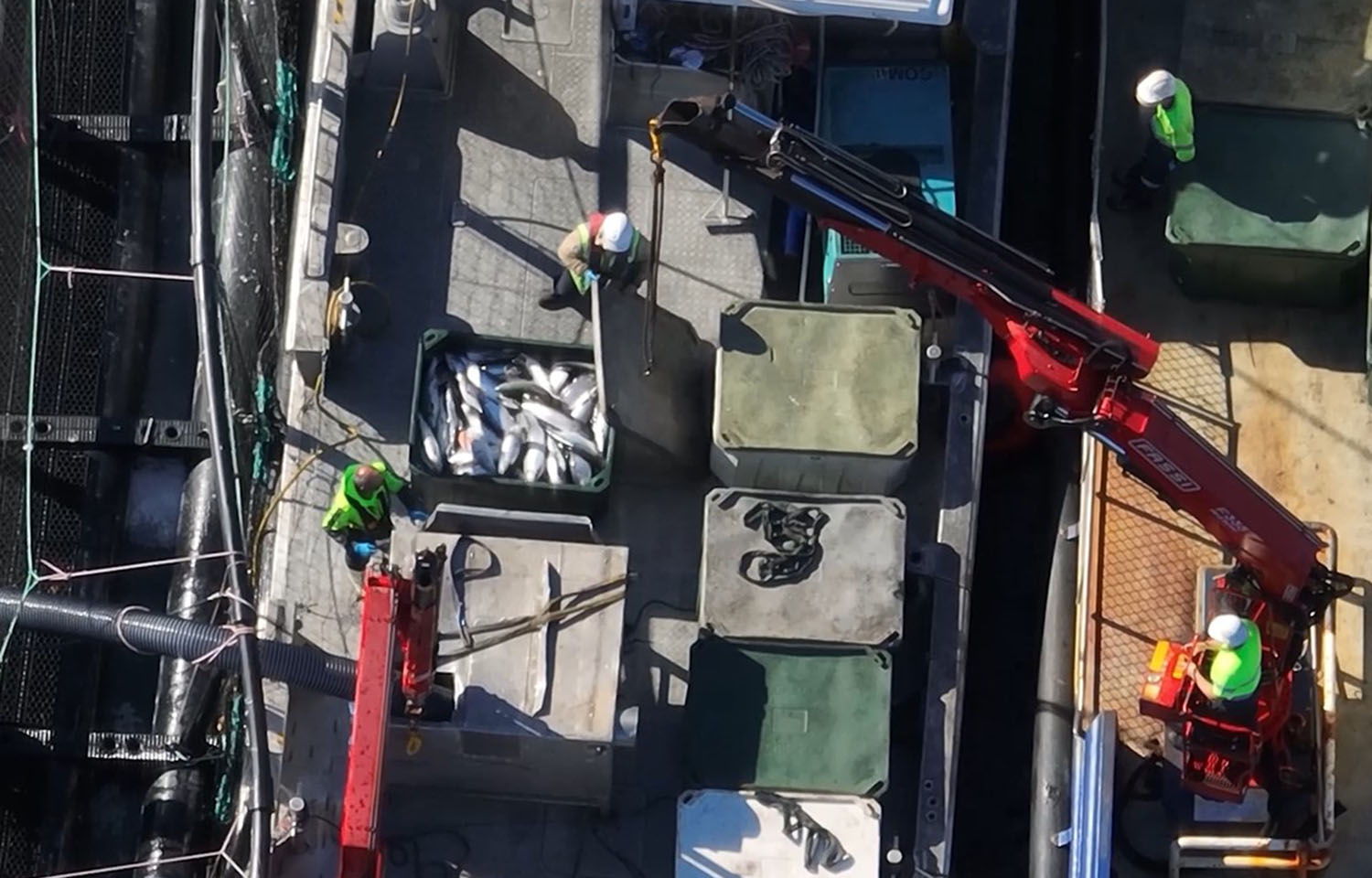
Drone footage of a Huon Aquaculture facility taken by the Bob Brown Foundation (BBF) showed workers putting live salmon into bins with dead fish as the company deals with a mass mortality event.
RSPCA first suspended the company’s certification on 6 March, initiating a 14-day period where it said it would undertake further enquiries into the video footage. After further investigation, RSPCA Australia announced on 20 March that it was officially withdrawing the certification.
“RSPCA Approved is the leading farm animal welfare certification program in the country and is underpinned by standards that go well above the minimum legal requirements,” RSPCA Australia CEO Richard Mussell said in a release. “While we acknowledge this was a single incident following many years of certification, the decision to withdraw a certification reflects how seriously we take incidents like this that compromise animal welfare.”
Huon Aquaculture said the footage in the video by BBF does not reflect its standards or established protocols.
With the withdrawal of Huon Aquaculture’s certification, there are now no producers certified to the RSPCA Approved Standard for salmon.
“The standard still exists because salmon are one of the most intensively farmed animals and it’s important that we can demonstrate the measures needed to ensure their welfare is considered,” Mussell said.
The video by the Bob Brown Foundation was taken as Tasmanian salmon farms face unprecedented mortalities caused by a bacteria called RLO, or Rickettsia-like organism. The bacteria occurs naturally in the local environment, and isn’t known to be harmful to humans, but it can cause salmon mortalities.
Salmon Tasmania said the scale of the mortality is completely unprecedented for the region.
“To say it’s been devastating and exhausting for our farmers and scientists is an understatement,” Salmon Tasmania CEO Luke Martin said in a release. “Our industry prides itself on raising healthy fish, but just like all animals and primary producers, salmon are not immune to the vagaries of our natural environment.”
Martin acknowledged the footage obtained by the Bob Brown Foundation, and said that the incident “does not represent normal operations procedures, or the animal welfare standards expected of the industry.”
“The company involved is taking the matter extremely seriously and an investigation is underway,” Martin said.
BBF welcomed the withdrawal and said it adds evidence to its push to stop retailers from selling Tasmanian farmed salmon.
“For far too long, the industrial fish farm companies have used certifications to mislead consumers about Tasmanian factory farmed salmon,” BBF Antarctic and Marine Campaigner Alistair Allan said.
A number of other NGOs campaigning for either reducing or eliminating salmon farms in Tasmania also welcomed the news, including Environment Tasmania and Neighbors of Fish Farming, who have been campaigning against salmon farms in Macquarie Harbor.
"We applaud the RSPCA in taking the appropriate step in revoking Huon Aquaculture's certification in light of the recent mass disease outbreak and mortality events at Tasmania salmon factory farms. Fish are sentient beings, and the pain and suffering that would have been experienced is entirely unacceptable,” Environment Tasmania Senior Marine Campaigner Rebecca Howarth said. "There are no salmon farms in Tasmania certified to the RSPCA Approved Standard for salmon. That speaks volumes about the welfare of salmon in these farms.”
