






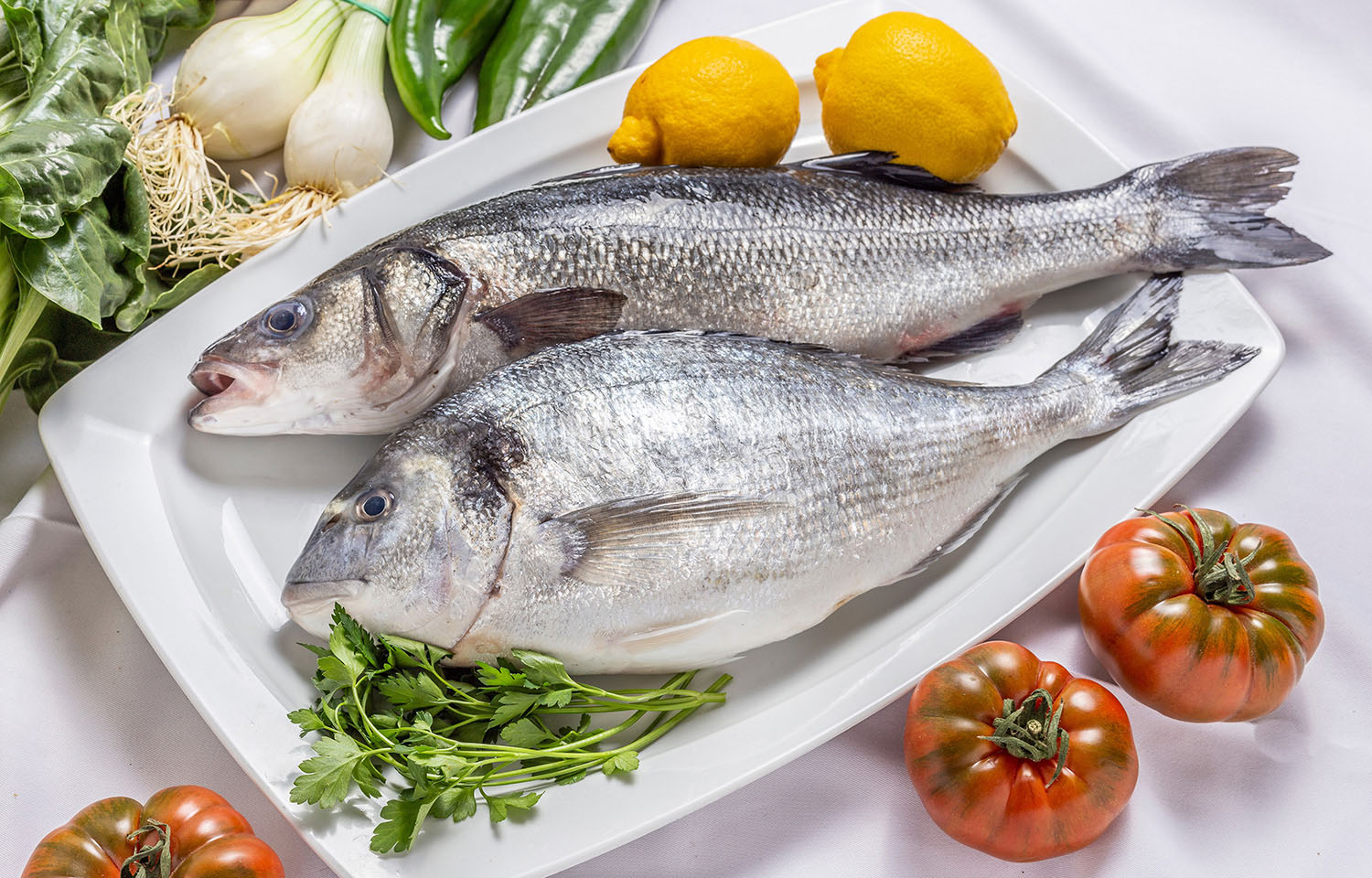
New York City, New York, U.S.A.-based non-profit organization Compassion in World Farming launched a sea bass and sea bream welfare scorecard to examine 13 producers that together make up 36 percent of the world’s supply.
In the 2025 report, factors for examination fell under three categories: fish stocking density, humane slaughter, and genetics. The scorecard ranks findings by a tier level system, with tier one scoring 0 to 20 percent, tier two 21 to 40 percent, tier three 41 to 60 percent, tier four 61 to 80 percent, and tier five 81 to 100 percent. The NGO selected producers from around the world, including Turkish-based Abalioglu, Gumusdoga, Kiliç, and Sursan; Spain-based Avramar; Canada-based Cooke; Croatia-based Cromaris; Philippines-based Gloria Maris; Greece-based Galaxidi, Kefalonia, and Philosofish; and Italy-based Gruppo del Pesce and Waterhouse.
“More than half of the seafood consumed today is farmed, making aquaculture the fastest growing food sector worldwide,” Daniel Sanchez, the senior research manager for fish welfare at Compassion in World Farming, said in a release. “With this rapid expansion comes a responsibility to implement and uphold policies and practices that ensure good welfare. We work with the food industry to identify welfare issues and encourage producers to adopt higher welfare practices and more sustainable solutions.”
Key findings for stocking density included that only four of the 13 producers had enough stock to score above tier one; Abalioglu, Avramar, and Kefalonia scored within tier four, while Waterhouse scored tier three. According to the nonprofit’s scorecard, most producers failed to disclose actual densities during production, which led to inconclusive or subpar data collection.
When examining humane slaughter standards, five companies reached above tier three or higher. Sursan was the only producer to score a perfect tier five. Philosofish and Avramar scored second best in tier four. Compassion in World Farming found that this was the strongest-performing parameter, but that humane slaughter remains “a highly topical issue, marked by a mix of commitments and varying levels of implementation.” Additionally, much of the industry still debates the best suited replacements for ice slurry. According to the Humane Slaughter Association, ice slurry is an unacceptable method that “involves fish passing over a de-waterer and into ice slurry,” where fish are left to die from suffocation which can take up to nine minutes.
In the genetics group, reporting was the weakest for the non-profit scorecard. Kefalonia was the only company to score above tier one, landing in tier two.
“This lack of transparency around genetic techniques, and which traits different breeding programmes select, raises concerns about the development of breeds whose welfare impacts have not been adequately tested,” the NGO said in a release.
Sursan, Waterhouse, and Philosofish were the only three producers to score a tier five qualification. Most of the scorecards landed in tier one, with companies like Cooke and Gloria Maris scoring all tier one.
The nonprofit added that these scores should be seen as a baseline for improvement, linking resource guides as ways for companies to improve each category. In the release, the nonprofit added that scorecards create transparency for consumers and investors and highlight where the industry should invest and act throughout the next year. The organization plans to release updated scorecards in both 2026 and 2027.
