




Aquaculture biotechnology company Benchmark Genetics has helped close a gap in shellfish genomics that it said will help support the long-term sustainability of shellfish aquaculture in Europe.
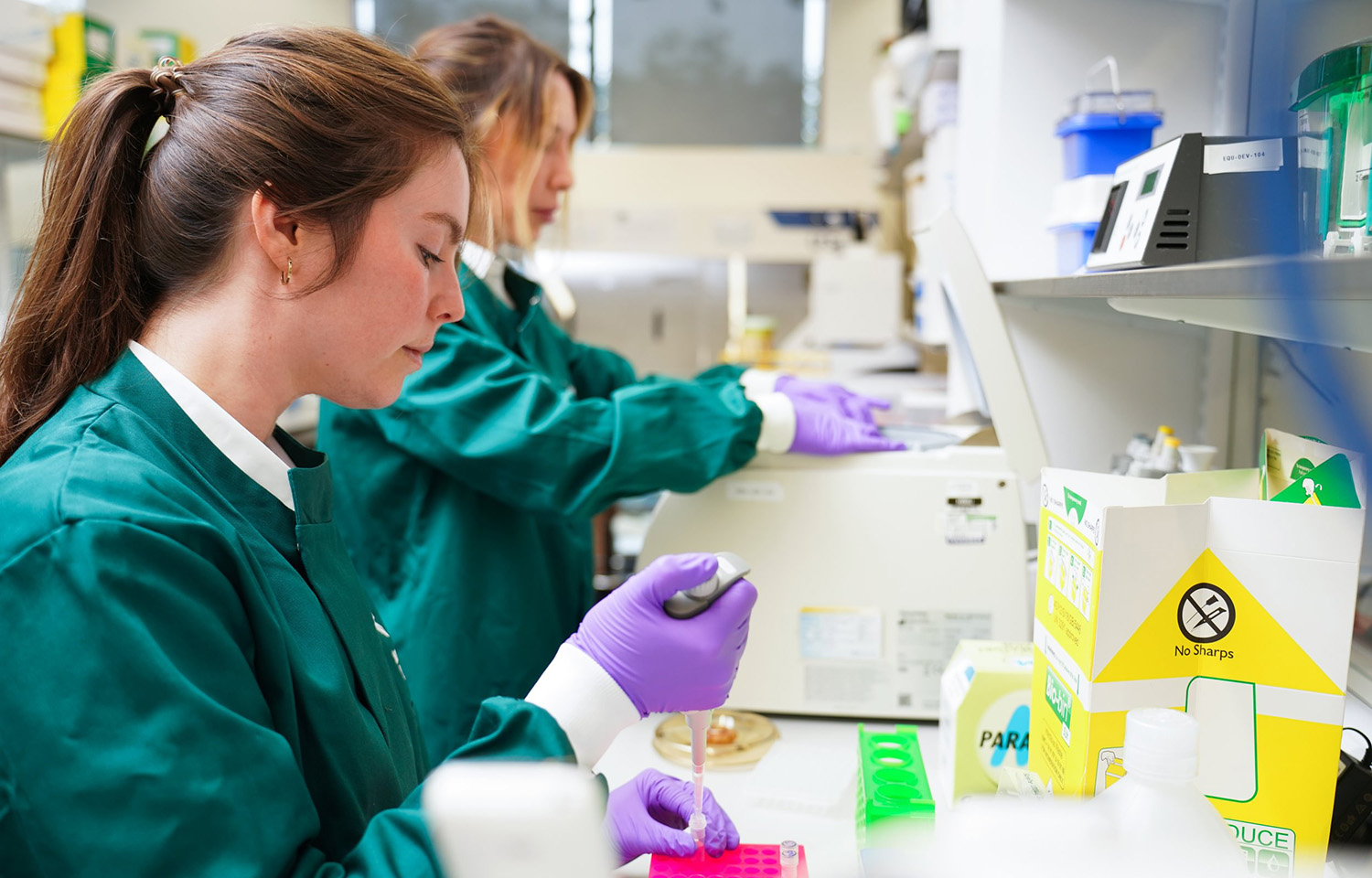
Researchers with the company, along with six leading European research institutions – the University of Padova (Italy), the University of Santiago de Compostela (Spain), CIIMAR (Portugal), The Roslin Institute at the University of Edinburgh (United Kingdom), the Technical University Institute of Brest-Morlaix (France), and Thermo Fisher Scientific – have developed a high-density SNP array for the Manila clam (Ruditapes philippinarum) and the grooved carpet shell clam (Ruditapes decussatus). An SNP array, or single nucleotide polymorphism array, allows for genome-wide studies on organisms by serving as a detector of genetic variance.
Benchmark Genetics said it played a key role in validating the array, which contains a total of 49,392 genetic markers for the Manila clam and 14,193 genetic markers for the grooved carpet shell clam. Determining the markers required screening more than 300 million genetic variants, the company said.
"This SNP array provides researchers and breeding programs with a genomic resource that simply didn’t exist for these species before,” Benchmark Genetics Head of Genotyping Carolina Peñaloza said in a release.
Benchmark said that as both species of clam face threats from external factors like climate change, habitat degradation, and emerging disease, genomic technology to support conservation and aquaculture will become increasingly important.
Benchmark said the new platform will give industry partners, breeding programs, and researchers access to new applications, including selective breeding and genetic improvement, pedigree reconstruction, population genetic analysis, monitoring for genetic diversity and inbreeding, and development of climate-resilient and disease-resilient stocks.
“It opens new opportunities to accelerate genetic improvement while supporting the long-term conservation of valuable clam populations," Peñaloza said.
