




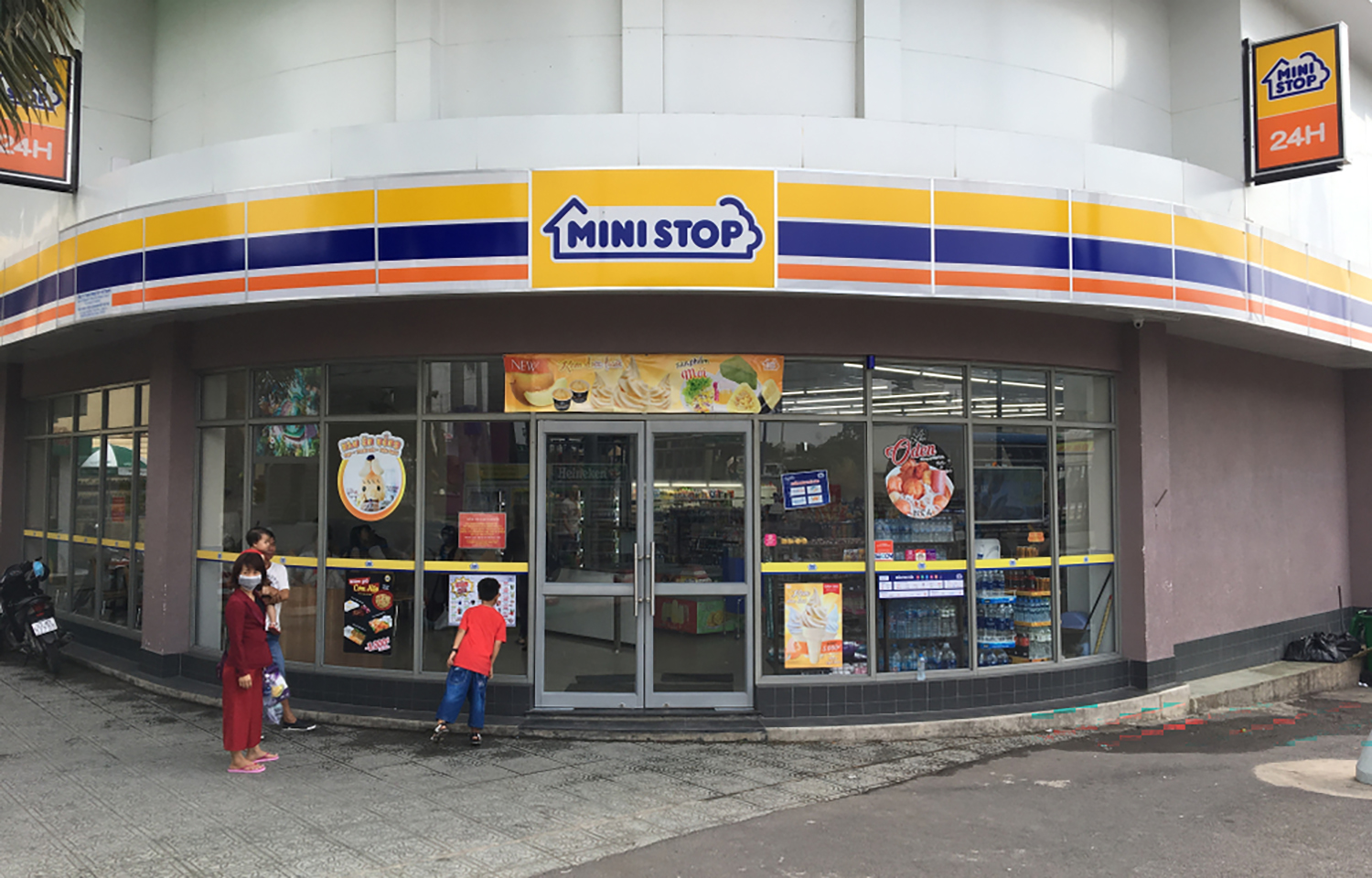
Sales of single-serving, ready-to-eat seafood products at Japanese convenience store Ministop's locations in Vietnam have more than doubled over the past year, driven by growing demand for convenient meal options.
Ministop, which entered the Vietnamese market in 2011, operates over 180 stores in the country, according to its latest monthly operating figures. The chain recorded sales of JPY 9.2 billion (USD 57.6 million, EUR 52.2 million) in Vietnam last year.
Mitsuzuka Fumiaki, the director of Ministop Vietnam's frozen food merchandising, recently said during a panel at the 2026 Vietnam Seafood Summit that prepared seafood products have recorded particularly strong sales growth, with single-serving, ready-to-eat items emerging as a popular category.
Mitsuzuka further explained that the purchasing preferences of Vietnamese consumers have changed considerably after the Covid-19 pandemic, particularly over the past year. For instance, he said shoppers who previously bought fresh or frozen ingredients to prepare meals at home were increasingly choosing cooked products that required only reheating and have a long refrigerated shelf life of up to 60 days.
According to Mitsuzuka, demand has also shifted away from larger portions serving five or six people toward smaller portions suitable for one to three consumers.
For seafood-based convenience foods in particular, Mitsuzuka said demand for grilled and steamed products has risen sharply and remained stronger than demand for fried alternatives, though that was also increasing. He said younger shoppers accounted for a substantial proportion of Ministop's customers.
Mitsuzuka said on the supply side, there are opportunities for Vietnamese seafood processors to develop products currently imported from overseas, encouraging local manufacturers to explore ready-to-eat fish products tailored to convenience store shoppers, such as smaller portions of grilled and steamed seafood.
Such products could allow domestic manufacturers to compete with imported alternatives on price, quality, and safety, he said.
