


The Maine Department of Agriculture, Conservation, and Forestry has begun rulemaking and set a 2 December public hearing for potential welfare standards for farmed fish after an environmental NGO filed a petition to create them.
Animal Outlook, an animal rights group, submitted a citizen petition to the department calling for more concrete animal welfare standards for farmed fish. The organization said if the state follows through with a standard, it would be the first of its kind for farmed fish in the U.S.
The hearings come via Maine’s rulemaking process, which allows citizen petitions to force departments to consider rulemaking. Animal Outlook said it submitted a citizen petition signed by “more than 150 registered Maine voters.”
The organization said rulemaking would amend Chapter 701 of Maine’s rules governing animal welfare, setting standards for humane handling, transport and slaughter, stocking density, and water quality, along with daily welfare monitoring. It said the push for rulemaking stems from its earlier investigations and formal complaints against Cooke Aquaculture USA, which alleged animal abuse at its aquaculture facilities.
The Maine Department of Agriculture investigated the facility and found no punitive measures were necessary after Cooke implemented a number of reforms. The Global Seafood Alliance, which manages the company’s Best Aquaculture Practices certification, also conducted an investigation and accepted the corrective actions.
At the time of the investigations, Liam Hughes, who was the division director of animal welfare for Maine’s Department of Agriculture, said Maine does not have any document or formal protocol for identifying or disseminating best management practices.
“We determined that this type of operation was not regulated by any state agency in Maine,” he wrote. “It is my recommendation that another state agency that specializes in aquatic animals look into developing oversight in animal care at this type of aquaculture facility to ensure proper compliance with BMPs in the future.”
Animal Outlook Executive Director Ben Williamson said in a release that the rulemaking process is necessary for greater oversight and transparency in the aquaculture industry.
“Maine’s government has backed the rapid expansion of aquaculture, fueling it with millions of dollars and long-term commitments,” Williamson said. “But Maine voters are pushing back against the industry’s lack of accountability.”
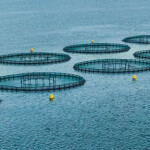
According to the Maine Department of Marine Resources, the last new finfish aquaculture lease was granted in 2011, and the number of active finfish farms at any given time has fluctuated from seven to 10. Currently, there are 8 active farm sites.
Cooke Aquaculture USA told SeafoodSource there are many more active state-run, federal-run, and nonprofit or private hatcheries in Maine for stocking lakes, rivers, streams, and ponds than there are hatcheries for commercial seafood farming.
“As farmers, we raise our fish with optimal care and consideration of animal welfare practices while using high-quality feeds with safe, sustainable feed ingredients,” the company said. “Our Maine hatcheries are subjected to independent audits through the Best Aquaculture Practices (BAP) certification program, which features internationally recognized standards for environmental and social responsibility, food safety, and animal health and welfare.”
