


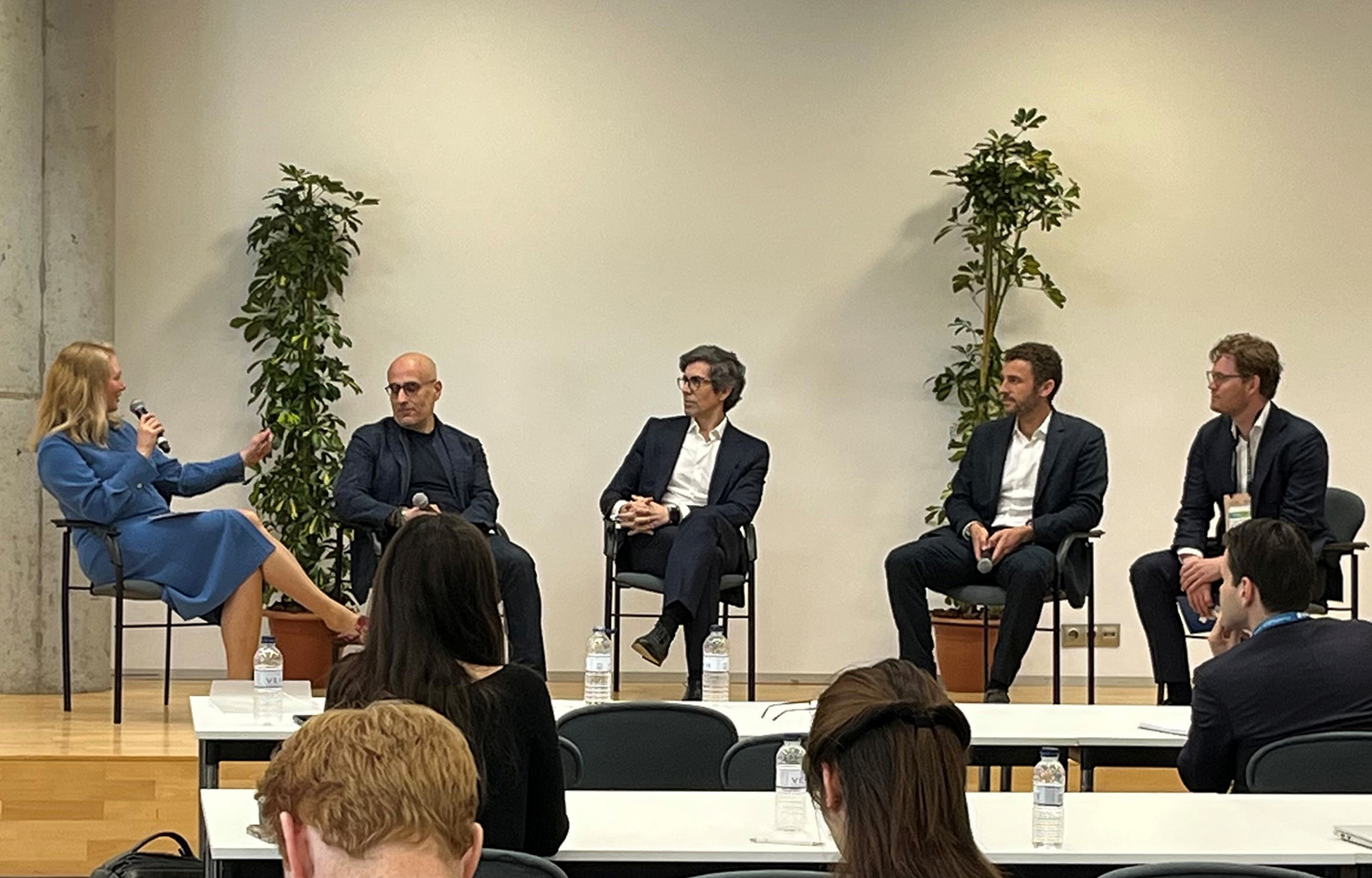
If seafood businesses want to expand their operations through new relationships with outside investors or through mergers and acquisitions, they must professionalize, according to industry stakeholders.
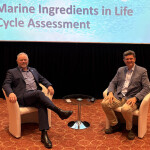
“Dress the bride,” Antarctica Advisors Managing Partner Ignacio Kleiman said at the Marine Money Seafood Finance Forum, which took place during the 2026 Seafood Expo Global in Barcelona, Spain.
Kleiman, whose business advises mergers and acquisitions exclusively in the seafood sector and which participated in the recent purchase of Frime by Captain Fresh, said a new “consolidator class [of investors] is emerging” and that some of these players are looking to “diversify their portfolios and sourcing locations.”
While everyone is “searching for value,” he said investors need to see evidence of business effectiveness before they commit.
The first step in that process of building a solid evidence base, he said, is accurately assessing value and positioning.
“We aren’t all driving the newest Ferrari,” he said. “You may be driving a Camry, [and] there’s a value for that, so be realistic.”
Northcore Capital Senior Portfolio Manager Fawaz Habel agreed, advising new projects not to assume “that bigger is better.”
“You really have to think about your niche,” he said, adding that “intellectual honesty” is key in businesses building respect in the industry.
This is especially important in today’s competitive environment, according to Ocean 14 Capital Principal Piers Lakin, who said that there has been a big shift in the seafood industry from even a few years ago, when venture capital was willing to take chances on innovative but yet-to-be-proven projects.
Now that investors understand the capex required for a successful aquaculture business, they are more conservative, he said.
“That’s very common in new industries,” Lakin said. “There’s a pain point [in the development of a new industry] where it goes from the grand story [of the startup] to on-the-ground reality.”
In today’s environment, he said, companies should expect their investors to want a 15 percent to 20 percent return on investment, resulting in many new companies, even with excellent projects, failing to find investors because they don’t have the cashflow to scale.
Fearnley Securities Head of Aquaculture Nils Thommesen said that banks are still the leading investors in aquaculture, but as the industry becomes more capital-intensive, “we will need new sources of capital and there will be [new] opportunities” for those who are prepared.
Utham Gowda, the founder of Captain Fresh, which has participated in several acquisitions over the past few years, said that his business has succeeded in the current landscape because he understood the urgency of working to build partnerships.
“I don’t think of Captain Fresh as having bought all these companies,” he said, explaining that, instead, he thinks of himself as pitching his product to “shrewd operators” who will only commit if they are sold a compelling story.
He said he has managed to get major investors from outside the seafood industry – who in fact didn’t even know about the huge value of that industry before committing – through such effective storytelling.
